finance
Economic Indicators and Investment Flows Explained Clearly for Delhi’s Business Community
Understanding the latest trends helps Delhi’s entrepreneurs and investors navigate global uncertainties and local opportunities.
How we reported this
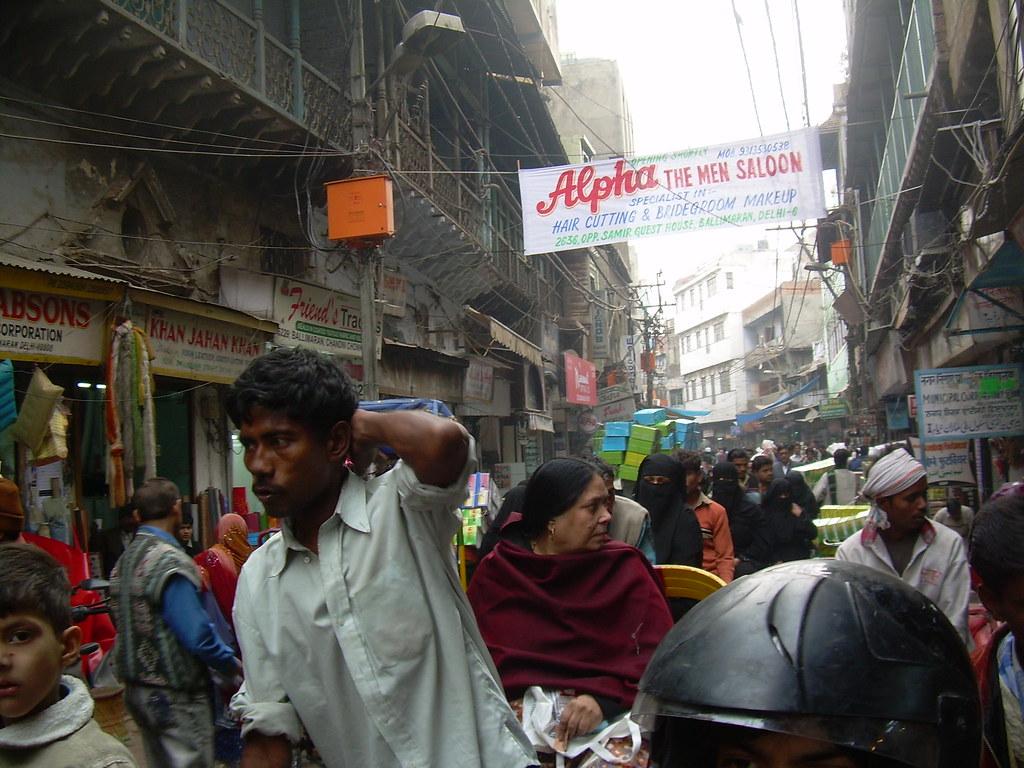
Delhi’s business leaders gathered this week at the India International Centre to discuss the shifting patterns in economic indicators and their impact on investment flows, focusing on clarity amid global volatility. The session emphasized how these factors influence local businesses and informed decision-making processes.
Why Economic Indicators Matter Now
Recent geopolitical tensions, particularly in regions that affect global oil supply routes such as the Strait of Hormuz, have underscored the fragility of international trade and investment confidence. Despite rising risks abroad, Delhi-based companies continue to seek fresh insights on navigating a global economy marked by uncertainty. Staying informed on key economic indicators, such as foreign direct investment trends and currency fluctuations, helps local entrepreneurs plan capital deployment and risk mitigation effectively.
With the global environment becoming more unpredictable, Delhi’s business community must interpret these signals critically to align their strategies. Events like these, hosted by prominent institutions in the capital, help distill complex data into actionable intelligence relevant for local stakeholders.
Delhi’s Local Context and Business Response
The India International Centre, situated near Lodhi Estate, has emerged as a central venue for these discussions, attracting a mix of business leaders, economists, and policy analysts. Such forums draw significant participation from chambers of commerce headquartered around Connaught Place and industrial clusters nearer to Okhla and Noida. These gatherings serve as an essential platform for firms ranging from startups to established exporters to calibrate their responses to evolving investment climates.
Trends in Delhi’s sectors, including information technology, manufacturing, and retail, are all touched by shifts in foreign investment and economic indicators. Local chambers of commerce actively use the insights shared during these sessions to advise their members on current risks and emerging avenues.
Though specific up-to-date statistics on Delhi’s investment inflows are not detailed in publicly available reports at this moment, the qualitative consensus indicates a cautious optimism. Participants noted that while international tensions affect capital availability, Delhi’s strategic position and market size continue to attract keen interest, especially in tech-enabled services and infrastructure projects.
Interpreting Data and Next Steps for Businesses
Understanding how global economic data translates into Delhi’s investment landscape remains critical. Indicators such as exchange rates, commodity prices, and geopolitical developments require vigilant monitoring alongside domestic policy shifts. Local business associations recommend that firms stay engaged with these informational forums and consult sector-specific advisories to remain adaptive.
Practical advice emerging from these discussions includes enhancing scenario planning capabilities, diversifying investment portfolios, and deepening partnerships within the capital’s vibrant entrepreneurial ecosystem. As international events evolve, Delhi’s firms are well positioned to adjust strategies with informed insight, positioning themselves to benefit from sustainable economic growth opportunities.
This article is general information only and is not personal financial or investment advice. Consider your own circumstances and seek licensed professional advice before making financial decisions.