finance
Delhi's Business Events Confront 2026 Market Uncertainty, Geopolitical Tensions
Uncertainty in global markets and geopolitical tensions complicate the outlook for Delhi’s business gatherings and networking opportunities this year.
How we reported this
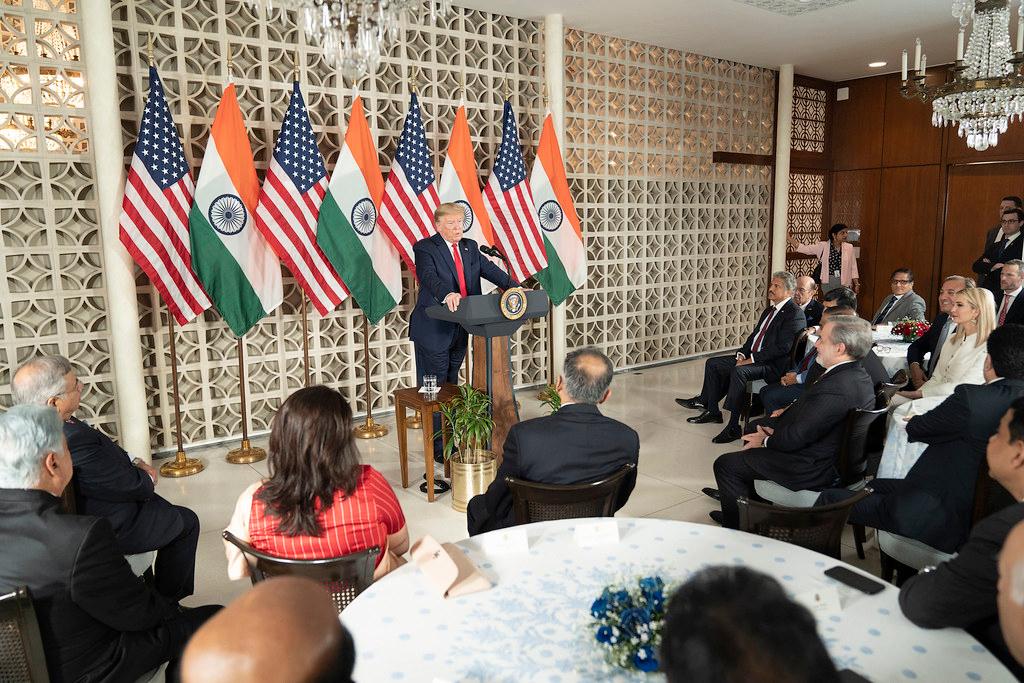
Delhi’s vibrant business community events are encountering multiple challenges in 2026 amid escalating geopolitical tensions and volatile global markets. These headwinds are complicating efforts for industry leaders to organise and participate in the trade shows, conferences, and networking events that are central to the city’s economic dynamism.
The importance of business community events cannot be overstated for a major global city like Delhi, which relies on such forums to foster innovation, partnerships, and investment opportunities. Given the current international disruptions, including conflicts that affect supply chains and investor confidence, the sector’s ability to operate smoothly this year is under heightened pressure.
Impact of Geopolitical and Economic Uncertainty
This year has been marked by renewed tensions in key global chokepoints, such as the Strait of Hormuz, which remains a vital corridor for energy shipments. The persistent instability in this region, as noted in international news coverage, reverberates through the global economy, indirectly affecting Delhi’s business circles. Organisers and participants alike face uncertainty about international travel restrictions, fluctuating costs, and potential disruptions in commodity supplies.
For local venues and organisations that host business events, such as conference centres in Connaught Place and industry associations based in Nehru Place, these conditions have increased operational risks. While there are no publicly cited statistics on event cancellations in Delhi, qualitative observations suggest that many firms are adopting a cautious approach, scaling down plans or opting for virtual formats over traditional in-person gatherings.
Challenges for the Local Business Ecosystem
The ripple effects extend beyond logistics to affect the business ecosystem directly dependent on such events. Networking opportunities crucial for startups, small and medium enterprises (SMEs), and exporters have diminished due to the constrained environment. Additionally, persistent global market volatility, exacerbated by the uneasy security situation between major powers, adds to firms’ hesitation in committing resources to large-scale events.
While the direct impact on Delhi’s economy is challenging to quantify without specific data, the slowdown in business event activity undercuts growth avenues for local companies seeking international exposure. The shift towards virtual or hybrid event models, while mitigating some risks, cannot fully replace the value of face-to-face interactions that drive deal-making and collaborations.
Looking ahead, business organisers are advised to closely monitor geopolitical developments and maintain flexible event strategies. Diversifying event formats and focusing on domestic market engagement could help offset external uncertainties. Meanwhile, enhanced digital infrastructure in Delhi can support hybrid event models, enabling continued networking despite global headwinds.
Business communities and event operators in Delhi will need to adapt continuously in 2026, balancing risk management with the imperative to sustain vital industry interactions that underpin the city’s commercial vitality.
This article is general information only and is not personal financial or investment advice. Consider your own circumstances and seek licensed professional advice before making financial decisions.