finance
Delhi Small Businesses Adapt to Global Tensions, Climate Shifts
Business owners in Delhi face evolving challenges from international instability and climate impacts, reshaping local market dynamics.
How we reported this
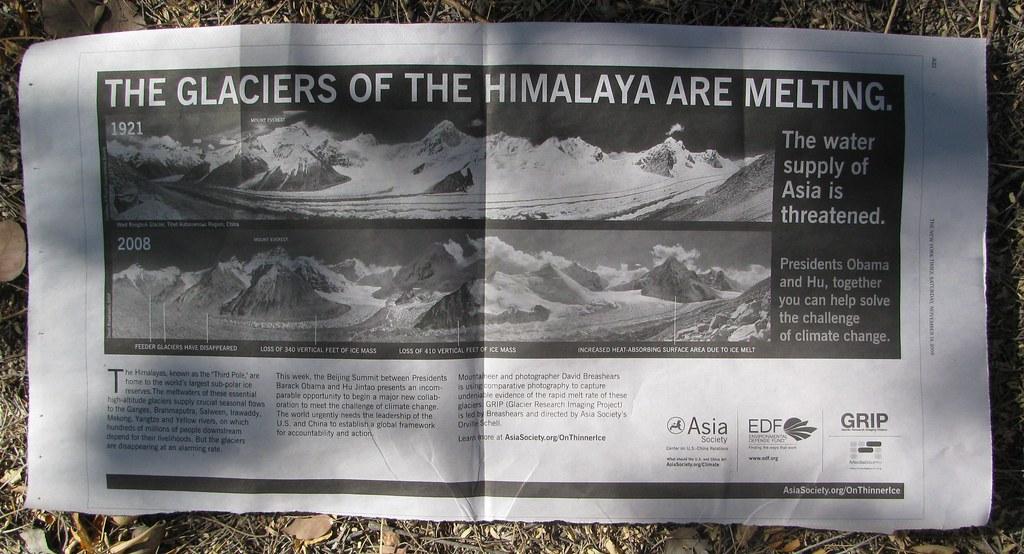
Small businesses in Delhi are adjusting strategies in response to shifting market trends influenced by global geopolitical tensions and environmental disruptions.
Why Market Trends Matter Now
The ongoing exchanges of strikes between the United States and Iran, notably in the Strait of Hormuz, have raised concerns about supply chain stability and global oil prices. Although this conflict unfolds thousands of miles away, its repercussions cascade into Delhi's economy, impacting costs and availability of imported goods and raw materials. Additionally, climate-related crises such as typhoons and wildfires elsewhere underscore the fragility of interconnected supply routes, urging local enterprises to anticipate potential disruptions.
Local Business Landscape and Adaptive Strategies
Delhi's vibrant small business sector, spanning retail hubs in Connaught Place and emerging tech startups in Nehru Place, now faces pressure to strengthen operational resilience. While no specific price or supply disruption figures are currently reported within Delhi, owners are qualitatively describing a cautious approach to inventory management and supplier diversification. The proximity of key transport arteries, such as the Delhi-Gurgaon expressway, underscores the importance of smooth logistics, which may be threatened by rising fuel costs linked to global tensions.
Moreover, entrepreneurs engaged with local business associations and chambers in Delhi are exploring digital transformation initiatives to reduce dependency on physical supply chains. Reports from international observers highlight how market uncertainty compels companies to adopt flexible, responsive business models, a trend mirrored anecdotally among Delhi firms.
While precise statistics on Delhi’s business performance amid these trends are not yet available through current public data, the city’s business community is evidently attuned to the broader global context affecting their operations.
Moving forward, Delhi’s small businesses must prioritize agility, investing in alternative sourcing, leveraging technology for supply chain transparency, and engaging with public and private sector support programs targeting SME resilience. Practical advice for local entrepreneurs includes scenario planning for supply chain interruptions and cost volatility, ensuring lean inventory controls, and fostering networks for collective solutions. As these global factors evolve, staying informed through credible updates remains essential.
This article is general information only and is not personal financial or investment advice. Consider your own circumstances and seek licensed professional advice before making financial decisions.