finance
Delhi’s Startup Scene Faces Economic and Policy Headwinds in 2026
Despite strong growth and government support, Delhi’s startups confront funding constraints and operational challenges this year.
How we reported this
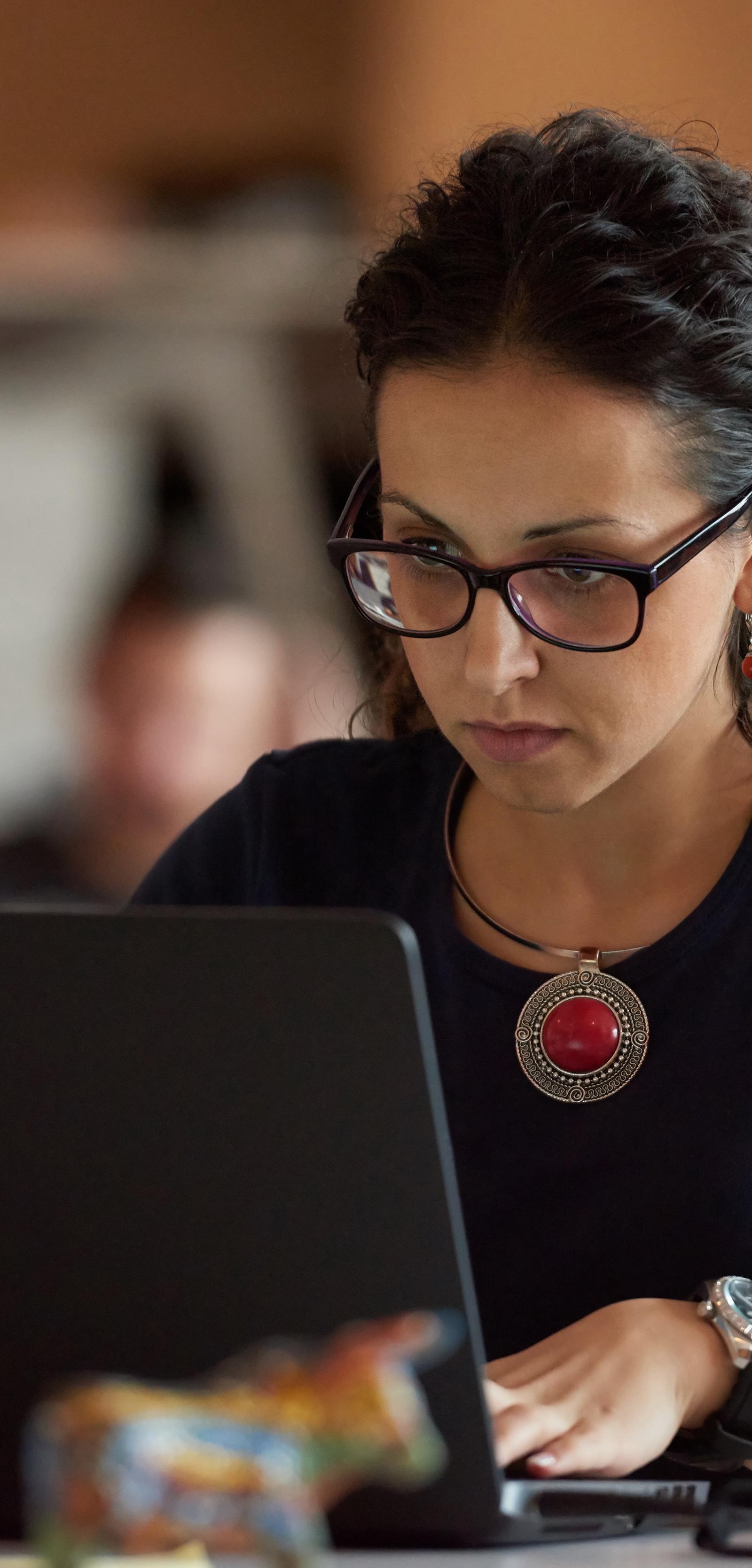
Delhi-NCR’s vibrant startup ecosystem, which secured $2.2 billion in investments across 224 deals in 2025, now grapples with multiple challenges that could slow its momentum in 2026. While the National Capital Region remains India’s second-largest startup hub, rising economic uncertainties and operational hurdles present significant headwinds for founders and investors alike.
Context: Why Challenges Matter Now
The robust capital inflows and government initiatives that propelled Delhi's startup growth face stress test amid a broader macroeconomic slowdown. Inflationary pressures and cautious global investment sentiment weigh on funding availability. Furthermore, startups balancing innovation with scaling are encountering rising costs for talent acquisition, technology, and compliance.
As the second-largest startup hub in India, Delhi’s ecosystem has increasingly become a vital driver of innovation and employment. But sustaining this ecosystem through a turbulent economic period is crucial, particularly to protect gains made in incubating diverse ventures ranging from healthcare to sustainability.
Delhi’s Support Landscape and Specific Pressures
The Delhi government’s launch of a Rs 325 crore 'Startup Incubation Policy' aiming to support 5,000 startups by 2035 underscores official commitment to nurturing innovation. Additionally, eight Atal Incubation Centres collectively incubate 566 startups in the region, accounting for 8.3% of the country’s total incubated ventures despite Delhi’s unique union territory status.
However, challenges persist in scaling startups beyond early incubation. Startups have reported difficulty accessing sufficient follow-on capital, despite the ₹325 crore fund and collateral-free loans of up to Rs 10 crore extended specifically to women-led enterprises and self-help groups. These financial instruments are intended to ease credit constraints, yet market volatility and investor caution continue to complicate fund-raising efforts.
Additionally, over 75,000 students participate in entrepreneurship programs supported by the Delhi government, reflecting strong grassroots interest. But transforming promising ideas into viable businesses demands more than policy; startups also struggle with regulatory complexities, operational costs in NCR’s expanding tech corridors, and competition for skilled talent.
Data Backing the Strain
While the 2025 startup investments demonstrate investor confidence, sustaining this in 2026 is challenging. The infusion of $2.2 billion worth of venture capital came on the back of a buoyant market environment, one that has since experienced tightening. Furthermore, the incubation of 470 startups across priority sectors shows promise, but also a bottleneck where growth readiness meets resource scarcity.
Between rising operational expenditure and evolving regulatory frameworks, startups are navigating tighter cash flows and increased pressure to prove scalable business models quickly. This environment requires innovative financial and mentoring support mechanisms to offset the tightening of capital and market risks.
Looking Ahead: Navigating the Headwinds
For Delhi’s startup ecosystem, the path forward involves adapting to these headwinds through enhanced public-private collaboration. The government’s Rs 325 crore policy and initiatives such as Startup Yuva Festival 2026 offer platforms for innovation acceleration, but startups will need to leverage these alongside mentorship, strategic partnerships, and technology integration.
Incubators and investors must intensify focus on sustainable business models with measurable impact, especially in healthcare and sustainability-sectors Delhi startups have shown strength in. Additionally, efforts to reduce bureaucratic friction and build stronger talent pipelines are essential.
Ultimately, while Delhi’s startup ecosystem faces distinct challenges in 2026, persistent innovation and coordinated support mechanisms can help maintain its critical role within India’s economy and beyond.
This article is general information only and is not personal financial or investment advice. Consider your own circumstances and seek licensed professional advice before making financial decisions.
References Sourced but Not Limited to:
- tribuneindia.com · National capital incubates 566 startups under atal innovation mission
- tribuneindia.com · Govt plans rs 325 cr incubation policy to support 5000 startups
- economictimes.indiatimes.com · Startup
- economictimes.indiatimes.com · Articleshow
- timesofindia.indiatimes.com · Articleshow
- failory.com · Delhi
- growthlist.co · Delhi ncr startups