Tracing the History and Evolution of Delhi’s Vibrant Cultural Scene
From Mughal gardens to contemporary art hubs, explore how Delhi’s cultural landscape has transformed over centuries.
From Mughal gardens to contemporary art hubs, explore how Delhi’s cultural landscape has transformed over centuries.
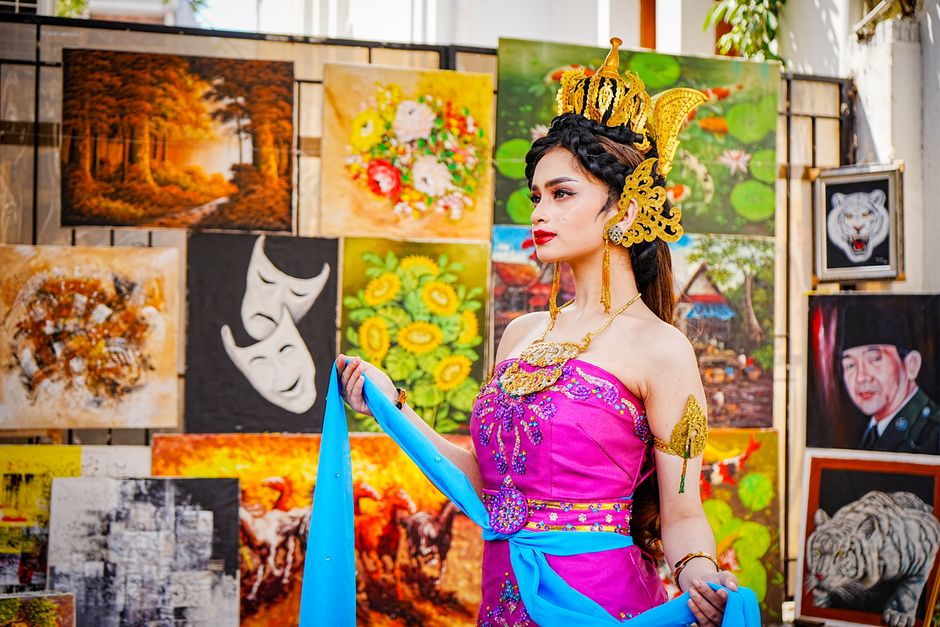
Delhi’s cultural scene today is a dynamic blend of its rich historical heritage and modern artistic expression, offering locals and visitors a diverse array of activities that speak to the city’s evolution.
Understanding this evolution is particularly timely as the city celebrates several heritage festivals in July, including the annual Qutub Festival and the Delhi International Arts Festival, both spotlighting traditional music, dance, and crafts. These events underscore how Delhi's culture has continuously adapted while preserving its roots amid rapid urbanisation.
The lanes of Chandni Chowk, established in the 17th century by Emperor Shah Jahan, remain a living museum of Delhi’s past. Here, artisans still craft traditional jewelry and textiles much as they have for centuries. Nearby, the majestic Red Fort complex, built in 1648, not only serves as a key historical attraction but also hosts cultural performances that connect audiences to Delhi’s Mughal era. These hubs represent the foundations from which Delhi’s cultural identity grew.
In contrast, the modern art scene finds a home in neighbourhoods like Hauz Khas Village, where galleries and studios such as the National Gallery of Modern Art and the Mindspace Gallery present cutting-edge works by contemporary Indian artists. The juxtaposition of the ancient and modern in these pockets of the city highlights the city’s layered identity.
As of 2026, the Delhi Tourism Department estimates that cultural tourism accounts for approximately 20% of the city’s annual 85 million visitors. Tickets to iconic venues such as the Red Fort remain affordable, priced at ₹35 for Indian citizens and ₹500 for foreign tourists, ensuring broad public access. Moreover, over 400 cultural events are organised citywide every year, bolstering local economies in historic neighbourhoods and promoting community engagement.
The government’s recent allocation of ₹150 crore (about $20 million) towards heritage site conservation and public cultural programming this fiscal year reflects official recognition of culture’s economic and social significance for Delhi.
For those looking to experience Delhi’s cultural scene today, starting with a morning walk through the shaded Mughal Gardens behind Rashtrapati Bhavan, followed by a visit to the Lodhi Art District's vibrant street murals, offers a journey through both history and contemporary creativity. Evening theatre productions at the Shri Ram Centre for Performing Arts in Safdar Hashmi Marg also showcase how Delhi’s stage continues to be a lively platform for cultural dialogue.
Delhi’s cultural landscape remains a living dialogue between the past and present, inviting everyone to witness how history shapes today’s city life.
How does this story make you feel?
Spread the word
About this article
Published by The Daily Delhi
Daily brief
Free, in your inbox before 7am. Weekdays.
More in
