culture
Independent Festivals Reshape Delhi's Cultural Identity This July
From the revamped stages of Lodhi Colony to the subterranean galleries of Chhatarpur, the city's independent festival scene is reshaping its artistic pulse this July.
How we reported this
The sweltering July heat has pushed Delhi’s cultural life indoors, but the city’s creative output is reaching its highest temperature in years. With the official launch of the 'Monsoon Arts Residency' program at the Bikaner House, curators are moving away from traditional institutional exhibits in favor of decentralized, hyper-local gatherings that are rapidly redefining how Delhi identifies as a global arts hub.
This pivot matters because the capital is finally shedding its reputation as merely a political powerhouse. For decades, the cultural narrative was dictated by state-run venues. Today, a new generation of artists in neighborhoods like Shahpur Jat and Hauz Khas Village is asserting independence, creating an organic, gritty, and deeply personal aesthetic that differentiates Delhi from the more sanitized gallery scenes in Singapore or Dubai.
The Shift to Decentralized Creativity
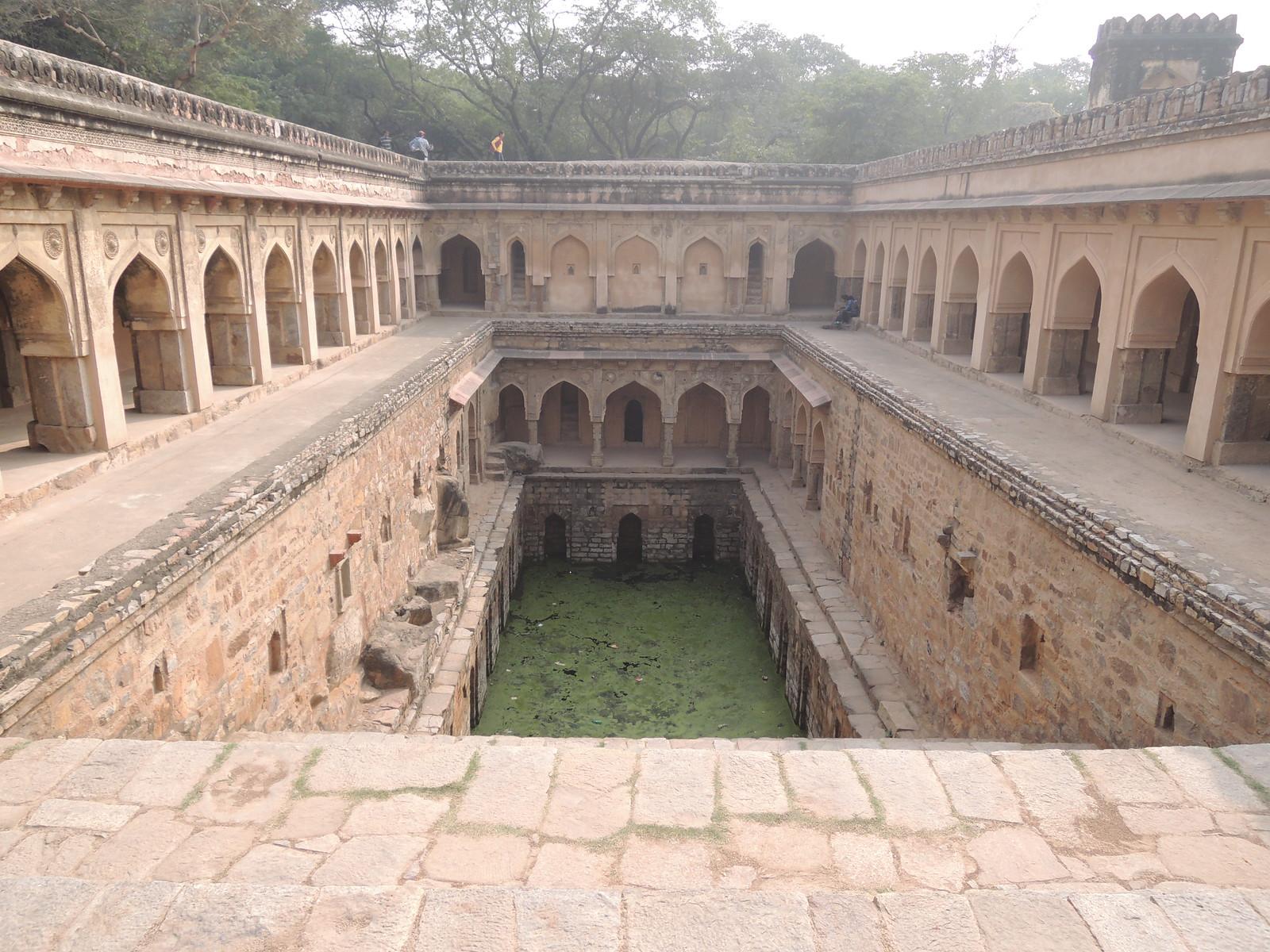
The transformation is most visible along the labyrinthine lanes of the Mehrauli Archaeological Park. Over the last month, the 'Echoes of the Monsoon' sound installation series has turned historical, lesser-known monuments into active venues for experimental music and digital art. This aligns with a broader city strategy by the Delhi Cultural Collective to utilize forgotten heritage sites, proving that the city’s identity is not static but a living conversation between ancient architecture and avant-garde performance.
Simultaneously, the 'Chhatarpur Underground' festival, which concluded its second annual run this Tuesday, saw a 40% increase in attendance compared to the 2025 pilot event. Ticket prices for the three-day pass hovered at ₹4,500, a steep jump that did not deter the nearly 12,000 attendees who crowded into converted warehouses to witness multidisciplinary showcases. According to the internal impact assessment released by the venue organizers, retail sales for local designers during the event surpassed ₹2.2 crore, signaling that the city's festival culture is as much an economic engine as a social one.
Mapping the New Delhi Aesthetic
This evolving identity rests on the fusion of raw, industrial aesthetics and high-end curation. At the ongoing 'Materiality' show in a repurposed textile mill near Okhla Industrial Estate, organizers are emphasizing recycled, locally sourced materials-a sharp contrast to the polished international exhibits often shipped into the National Gallery of Modern Art. By grounding their work in the physical reality of Delhi’s industrial sprawl, these festivals are creating a brand of 'Delhi Modern' that is impossible to replicate elsewhere.
As the monsoon rains intensify over the next fortnight, the city's calendar will shift toward workshops and intimate literary salons. For those looking to engage, the 'Prithvi Reading Series' is set to open at the Triveni Kala Sangam on July 12, with a focus on regional language translations that have been neglected in mainstream English-dominated circles. Check the official city portal or local independent listings before heading out; as the rains take hold, many venues are instituting 'rain-check' capacity limits, and advanced registration is now mandatory for nearly all high-traffic workshops across the South Delhi belt.