Delhi’s Underground: The community and movement driving this cultural shift
While high-street retail pivots toward global chains, a grassroots collective of artists and curators is reclaiming Delhi’s creative narrative from the bottom up.
While high-street retail pivots toward global chains, a grassroots collective of artists and curators is reclaiming Delhi’s creative narrative from the bottom up.
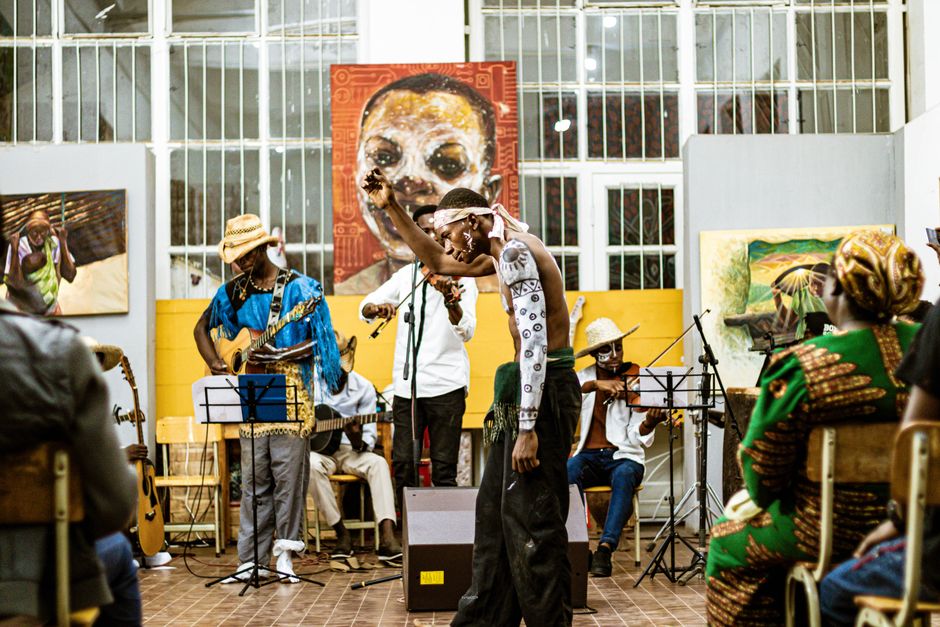
New Delhi is currently seeing a quiet exodus from the polished, air-conditioned galleries of Khan Market and the predictable aesthetics of DLF Emporio. This weekend, the focus shifts to the peeling paint and high ceilings of industrial-era spaces in Okhla Phase III and the narrow, winding alleys of Shahpur Jat. A loose collective of independent musicians, textile archivists, and digital artists has launched 'Dilli-Dialect,' a pop-up series aimed at decoupling Delhi’s cultural identity from corporate sponsorship. The movement is driven by a rejection of the curated commercialism that has dominated the city’s nightlife since 2024.
The shift is tangible. On Friday night, 'The Basement'—an underground venue located in a converted warehouse in Okhla—saw a turnout of roughly 400 attendees for an experimental electronic set featuring local synth-duo Nithya & Anant. Unlike the velvet-roped clubs of Aerocity, this space requires a cryptic entry code found only on signal-encrypted newsletters. The aesthetic here is stripped back: unfinished concrete, industrial LED strips, and a strict no-photography policy during live performances. Organizers argue that by removing the performative pressure of social media, they are forcing a more genuine engagement with the music.
Economic data backs the urgency of this pivot. Independent venues in the National Capital Region have reported a 22% increase in foot traffic this quarter, even as mid-range retail establishments in South Delhi struggle with a 15% dip in discretionary consumer spending. Prices for these independent events are intentionally kept accessible, with entry fees rarely exceeding ₹800, a deliberate contrast to the ₹4,000 cover charges standard at many upscale Hauz Khas Village lounges. This pricing structure isn't just a gimmick; it is part of a deliberate strategy to ensure the city’s youth—students from JNU and DTU—remain the primary custodians of the cultural discourse.
This weekend’s programming continues on Saturday with 'The Weaver’s Guild,' a collaborative exhibition held at a community space near Champa Gali. The guild, comprising twenty-somethings from across the city, focuses on upcycled khadi and experimental dyeing techniques that pay homage to Delhi’s historical textile roots while integrating contemporary streetwear silhouettes. They aren't seeking investment from heritage fashion houses. Instead, they are utilizing blockchain-based micro-patronage to fund their projects, effectively bypassing the traditional gatekeepers of the Indian fashion industry. This move signals a deeper dissatisfaction with how heritage is often sanitized and sold back to the public at inflated markups.
For those looking to engage with this movement, the best advice is to head toward the southern peripheries on Saturday evening. Skip the familiar haunts of Connaught Place and instead check the 'Delhi-Pulse' telegram channel for coordinates to a collective art installation in a reclaimed space in Chhatarpur. Doors open at 7:00 PM, though the main set isn't scheduled until well after midnight. Expect no signage and limited parking, but a crowd that is distinctly uninterested in the city’s usual status symbols. This is not a scene built for consumption; it is an infrastructure built to sustain itself.
How does this story make you feel?
Spread the word
About this article
Published by The Daily Delhi
Daily brief
Free, in your inbox before 7am. Weekdays.
More in


