culture
Delhi's Underground Artists Transform City Through Independent Collectives
A wave of independent, collective-led initiatives is redefining the city's creative output from Hauz Khas to the narrow lanes of Shahjahanabad.
How we reported this
Delhi’s cultural landscape is undergoing a deliberate migration away from the polished, corporate-funded gallery circuit toward a gritty, grassroots model. This Saturday, July 5, 2026, marks a visible peak in this transition, with at least six independent collectives hosting overlapping pop-up events ranging from digital experimental music showcases to textile-waste reclamation workshops. This shift represents more than just a change in venue; it is a fundamental realignment of how art is produced and consumed in the capital, prioritizing communal participation over institutional curation.
The Pivot Toward Collective Autonomy
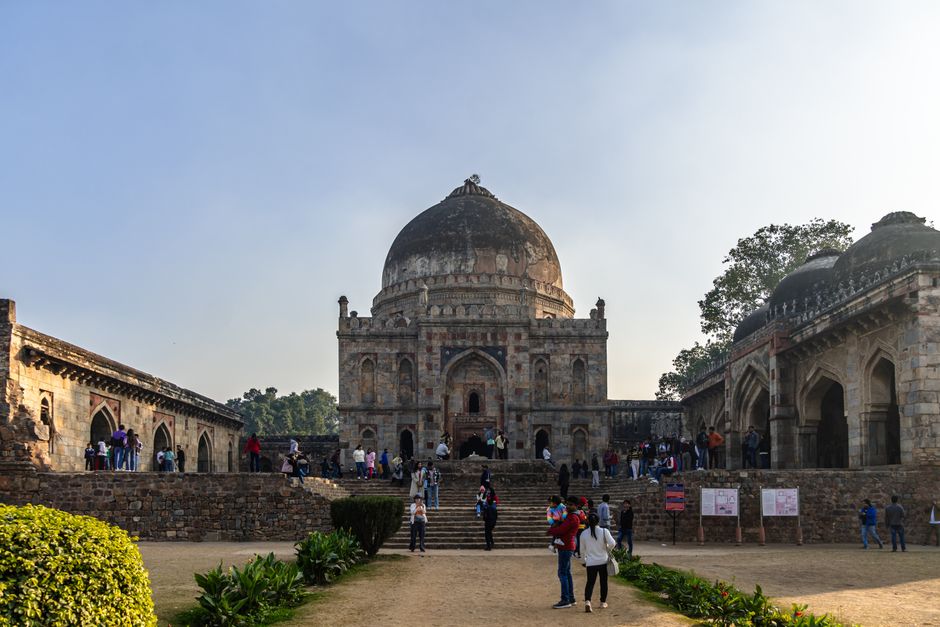
The movement finds its heartbeat in the narrow alleys of Shahjahanabad and the repurposed industrial lofts of Okhla. Organizations such as the Okhla-based Kala Sanchar Collective and the historic Purana Qila creative workshops have become the primary conduits for this shift. Unlike traditional spaces that operate on long-term exhibition cycles, these collectives prioritize modular, daily interactions. The focus has moved toward public engagement, often utilizing urban ruins or communal parks to host debates and multidisciplinary performances that bridge the divide between local residents and visiting art practitioners.
The economic impact of this decentralization is already measurable. Data from the 2026 Delhi Cultural Census Report suggests that independent, community-funded arts events saw a 22% increase in attendance compared to the same period in 2025. These events typically operate on a "pay-what-you-wish" model, with ticket prices for high-concept workshops often starting at just ₹250, a significant drop from the high-barrier entry fees common in traditional commercial galleries located in areas like Jor Bagh. This accessibility is a calculated move to capture a demographic of young, digitally-savvy citizens who have expressed a preference for spontaneous, location-specific gatherings over structured annual festivals.
New Nodes of Participation
The momentum is anchored by places like the Majnu-ka-tilla performance spaces and the refurbished textile hubs in Lado Sarai, which have recently rebranded as communal studios. By integrating local artisans with contemporary video artists, these locations are moving away from the "silent gallery" aesthetic. Instead, the current trend emphasizes the "process-oriented" work, where the audience is encouraged to witness the messy, sometimes unfinished production of art. It is a direct response to the global trend of cities moving toward hyper-local, high-engagement cultural ecosystems, mirroring shifts seen in urban centres like Berlin or Seoul.
Those looking to engage with this shift over the coming week should monitor the Delhi Arts Bulletin, which is tracking the rotating locations of these pop-up collectives. The general consensus among organizers is that the most vital interactions occur when the boundary between the viewer and the creator is porous. For today’s visitors, this means bypassing the established commercial hubs. Instead, make your way to the community studios in Okhla by 4:00 p.m. this evening for the final day of their summer reclamation series, as the movement shows no signs of slowing down before the monsoon season begins in earnest.