culture
Delhi's Creative Collectives Transform Neighborhoods Through Grassroots Art Projects
Across the capital, independent collectives and long-standing neighborhoods are reshaping the city’s social fabric through shared creative projects.
How we reported this
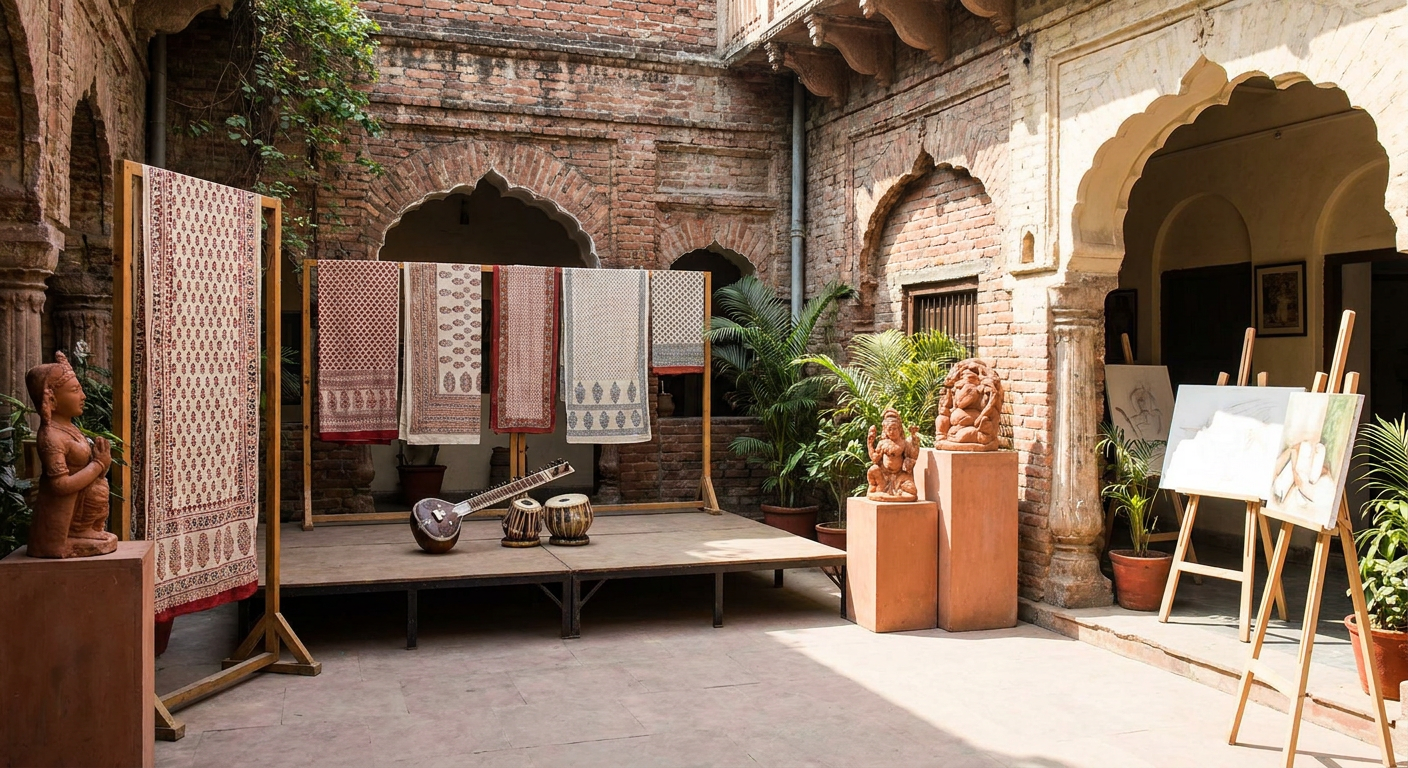
Delhi’s cultural landscape is undergoing a transformation as independent collectives and localized movements take the lead in redefining the city's social character. From the quiet lanes of South Delhi to the historic workshops of Old Delhi, a renewed emphasis on community-led initiatives is reshaping how residents engage with art, history, and urban space. This shift moves away from large, state-led exhibitions toward hyper-local programming that prioritizes narrative and collective heritage.
The Hubs of Change
Neighborhoods like Hauz Khas and the labyrinthine corridors of Shahjahanabad are increasingly serving as focal points for this grassroots energy. Organizations such as the Sahapedia network have focused on documenting and preserving the intangible heritage of these districts, moving beyond official historical accounts. Meanwhile, at venues like the India Habitat Centre, programming has shifted toward collaborative workshops that encourage audience participation rather than passive observation. These spaces are functioning less as institutions and more as platforms for local artisans, historians, and students to curate their own environment.
This movement is not merely a collection of isolated events; it is a response to the city’s rapid urbanization and the desire for social connection. The community-driven ethos manifests in the growth of independent bookshops and pop-up galleries throughout Lodi Colony, where street art initiatives have turned public walls into canvases that document the struggles and aspirations of local residents. By hosting regular meet-ups and discourse-heavy seminars, these groups are successfully decentralizing the cultural authority that has historically been confined to government-run museums.
Measuring the Impact
The scale of this shift is reflected in the rising footfall at independent community events and the increased engagement with digital platforms dedicated to local history. According to recent public data released by the National Museum and associated cultural bodies for the 2025-2026 fiscal year, attendance at community-partnered heritage walks and localized cultural festivals saw a consistent upward trend compared to previous reporting cycles. This data confirms that interest in localized, interactive content is moving at a pace that traditional institutional models have struggled to match.
For those looking to engage with this movement, the upcoming weeks offer a variety of entry points. Visitors and residents alike can participate in guided neighborhood tours led by independent historical societies or attend evening discussions at community-run studios. Participants are encouraged to check the official listings of the Delhi Tourism and Transportation Development Corporation for real-time updates on scheduled workshops, ensuring they avoid the peak heat hours by focusing on evening sessions held in shaded, open-air courtyards across the city. As this movement gains momentum, the emphasis remains on the ability of local residents to reclaim the narratives of their own neighborhoods.