culture
Delhi's Monsoon Weekend: Essential Guide to Top 5 Cultural Highlights
As the capital navigates the height of the monsoon season, here is the essential guide to exploring the city's shifting cultural calendar.
Listen in English · 4 min
How we reported this
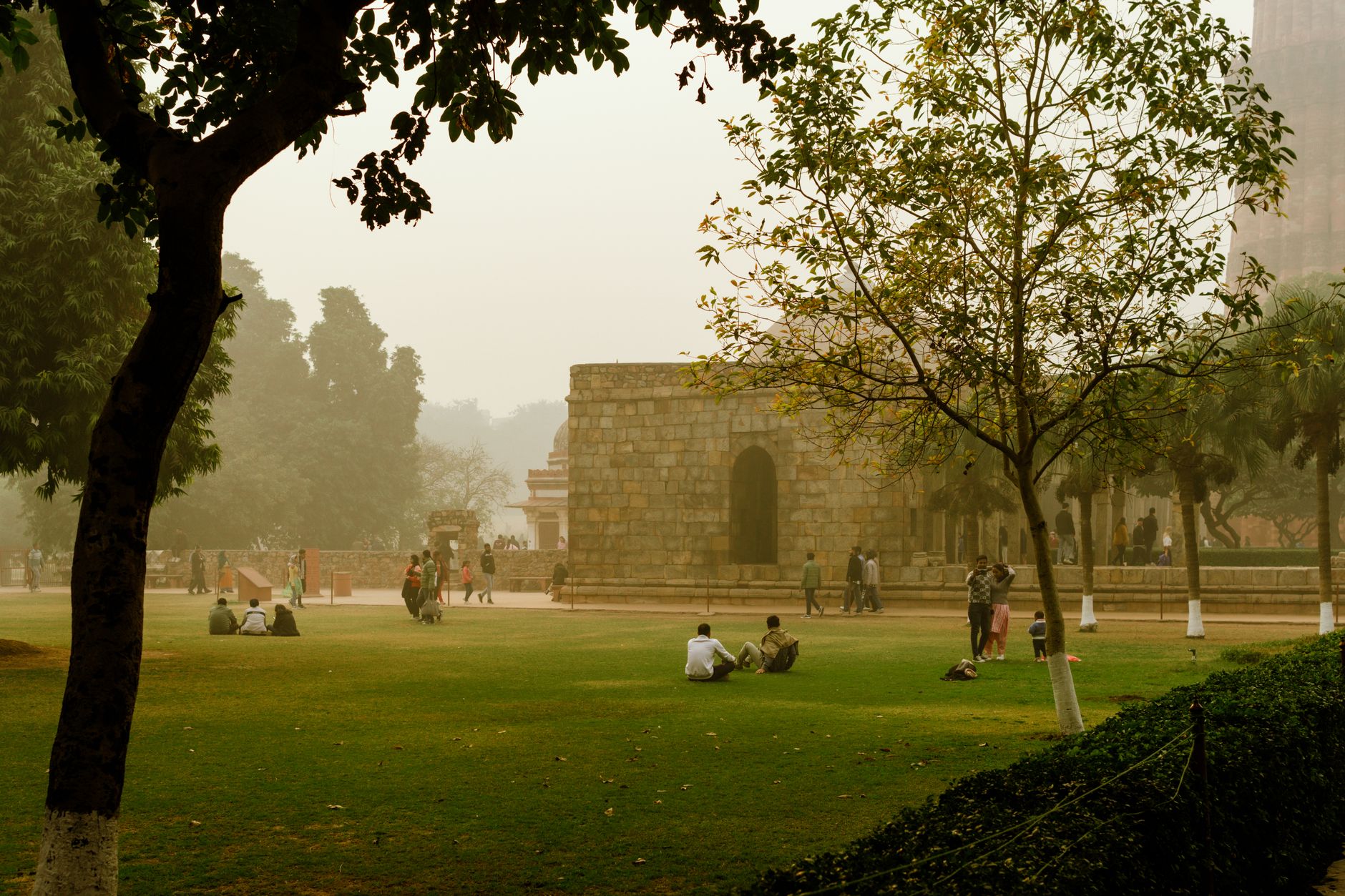
New Delhi is currently bracing for an active monsoon cycle, which has shifted the city’s usual outdoor circuit toward a mix of climate-controlled galleries and heritage sites that offer shelter from the intermittent July showers. For visitors touching down in the capital today, July 5, the primary advice from local tourism boards is to prioritize indoor cultural hubs in South Delhi, where infrastructure is better equipped to handle the seasonal influx of water.
The Best of Indoor Heritage and Arts
The National Museum on Janpath remains the most reliable anchor for a rainy afternoon. As of the latest facility update from the Ministry of Culture, the museum is currently housing the temporary exhibition on Harappan artifacts, which provides a high-density, air-conditioned tour of ancient civilization. Just three kilometers away, the Bikaner House near India Gate has transformed its gallery space into a monsoon showcase for contemporary textile artists from across Rajasthan. Unlike the sprawling open-air complexes of the Lodi Gardens, these venues allow for an uninterrupted deep dive into regional history without the risk of an unannounced downpour.
For those interested in the city’s evolving food scene, the Khan Market corridor has seen a 15% increase in foot traffic this week as diners opt for enclosed dining rooms over street-side kiosks. According to the Delhi Tourism and Transportation Development Corporation, the current peak season for heritage walks has seen an average cost of ₹1,500 per person for guided tours of the Humayun’s Tomb complex, which features covered pavilion areas that remain accessible even when the weather turns.
Essential Logistics for the Monsoon Traveler
Transit across the capital is largely dictated by the Delhi Metro Rail Corporation, which has maintained its standard operational schedule of 6:00 AM to 11:00 PM despite the wet conditions. Visitors should note that the Yellow Line, connecting the historic Kashmiri Gate area to the business hubs of Gurgaon, remains the most efficient way to cross the city if surface-level traffic becomes congested due to seasonal waterlogging on the Ring Road. Taxicab apps are currently showing higher surge pricing in the Connaught Place vicinity, so building in a 30-minute buffer for any cross-city transit is standard practice for locals today.
Before heading out, consult the India Meteorological Department’s live portal for the latest regional alerts. While many of the city’s major monuments, such as the Red Fort, remain open during standard hours, the security checkpoints can experience delays during heavy rainfall. If you are planning to visit the Qutub Minar, arrive before 10:00 AM to secure a digital ticket, as the Archaeological Survey of India has implemented a strict capacity limit of 2,000 visitors per time block at this site to ensure structural preservation during the humid months. Pack a lightweight, water-resistant outer layer and stick to the paved pathways within the heritage zones to avoid the slick, uneven terrain that frequently develops in the older, outer-lying archaeological parks.