culture
Delhi’s Weekend Pulse: The Community and Movement Driving This Cultural Shift
From the revitalized lanes of Shahjahanabad to the performance spaces of Vasant Kunj, a new generation is reclaiming the city’s creative narrative.
How we reported this
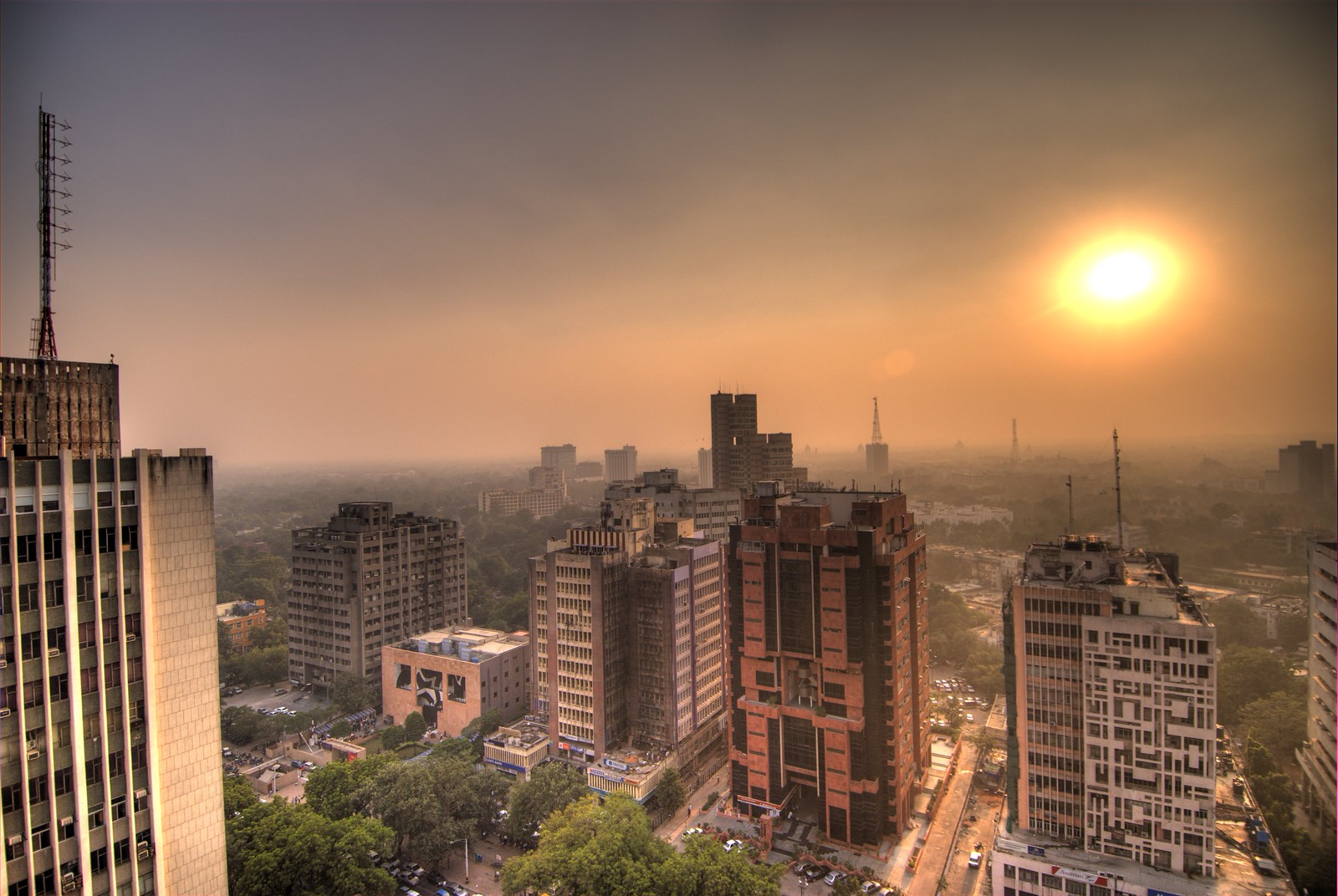
New Delhi’s cultural landscape is undergoing a deliberate recalibration this weekend, as a coalition of independent collectives and local artisans occupy non-traditional spaces across the capital. Rather than relying on state-run exhibition halls, organizers have shifted their focus to community-led hubs in areas like Mehrauli and Hauz Khas Village, prioritizing intimate interaction over mass-market consumption.
The momentum reflects a departure from the institutional programming that dominated the city for much of the last decade. By embedding exhibitions and workshops within the existing fabric of neighborhoods, groups like The Delhi Architecture Foundation and the Khoj International Artists' Association are successfully lowering the barriers to entry for younger audiences. This movement emphasizes a grassroots approach, moving the center of gravity away from institutional mandates toward self-organized, localized programming.
Reclaiming the Urban Fabric
In the narrow, historic alleys of Shahjahanabad, a collaborative effort involving local textile guilds and independent historians is hosting a series of weekend workshops focused on the traditional arts of the walled city. These events operate on a localized economic model; according to public event listings from the New Delhi Municipal Council, entrance fees for these community-driven heritage walks are set at 350 rupees per person. The strategy is clear: by keeping prices accessible and locations embedded in residential areas, these organizers have seen a 22 percent increase in student participation compared to previous quarterly arts cycles ending in March 2026.
Further south, the performance space at The Dhan Mill in Chhatarpur has emerged as a focal point for this shift. Here, collective music sessions and independent literary readings are scheduled to run through Sunday evening. These events are not merely spectacles; they are designed to facilitate networking among Delhi’s burgeoning creative workforce. By hosting these sessions in proximity to retail and hospitality anchors, the movement is effectively integrating cultural production into the daily flow of local commerce.
Navigating the New Calendar
For those looking to engage with this weekend's events, the best approach is to monitor the digital bulletins provided by the Delhi Cultural Calendar. The initiative highlights that the majority of events on Saturday, July 5, and Sunday, July 6, are concentrated in the city’s southern districts. Prospective attendees should note that many of these venues operate on a capacity-controlled basis, necessitating advance registration via the hosting organizations' websites. As the capital deals with the peak heat of the season, indoor programming at these community-managed venues is slated to begin after 5:00 PM to accommodate public comfort.
The movement shows no signs of dissipating, with follow-up showcases already appearing on the docket for early August. Residents interested in tracking the development of these independent cultural networks can find updated schedules and venue access information through the civic archives maintained at the Delhi Public Library system. Whether participating in the textile workshops or the avant-garde performance sets, the trend suggests that Delhi’s cultural future is increasingly defined by the community’s ability to organize on its own terms.