culture
Delhi's Food Scene Transformed by 500 Years of Cultural Influence
A look at the historical influences and regional shifts that have shaped the capital’s diverse food landscape.
How we reported this
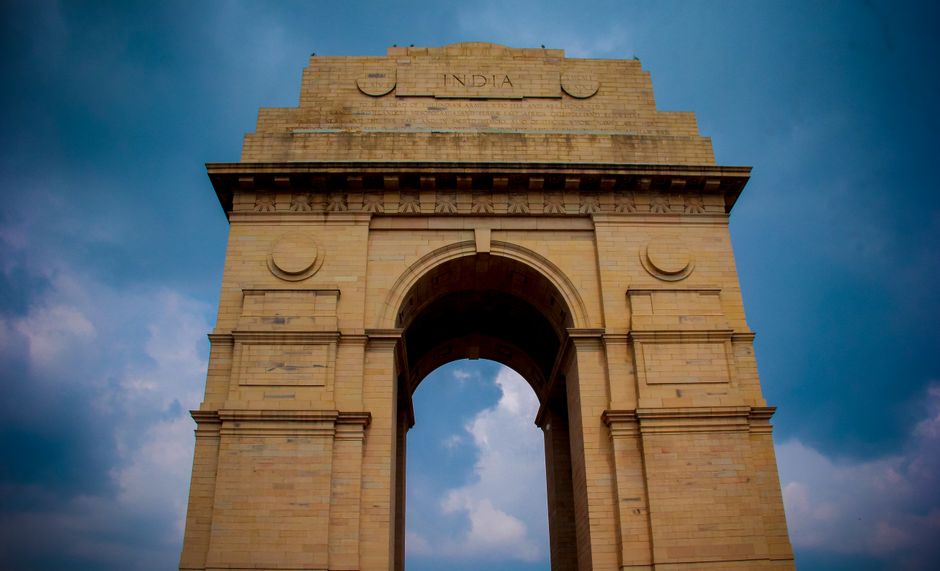
Delhi’s food culture serves as a reflection of the city’s complex history, characterized by a cosmopolitan blend of influences introduced by successive rulers and shifting populations. The culinary identity of the capital is not monolithic; rather, it is a layering of traditions brought by Persian-influenced Mughal rulers and the post-1947 arrival of Punjabi refugees. These historical movements established specific dishes that have since become synonymous with the local food scene.
The Mughal Influence and Traditional Staples
The Mughal era left an indelible mark on the palate of Delhi. The imperial kitchens introduced complex, slow-cooked meat dishes that remain a core component of the city’s gastronomic heritage. Among these, nihari, a slow-cooked spicy meat stew, stands out as a signature dish of this era. This historical period also cemented the popularity of kebabs and biryani, which are now ubiquitous across many parts of the city. These dishes represent a tradition of refinement and technique that traces its roots back to Persian-inspired culinary practices, providing a foundation for the food culture seen in historic areas.
The Post-1947 Culinary Shift
The mid-20th century marked a significant pivot in Delhi’s food story. Following 1947, the migration of Punjabi refugees introduced new cooking styles and ingredients that quickly integrated into the city’s existing framework. This demographic change was instrumental in popularizing tandoori chicken, butter chicken, and dal makhani, which are widely recognized as city icons today. The fusion of these hardy, flavorful North Indian preparations with the existing Mughal-influenced repertoire created the diverse and multifaceted dining environment found in the capital.
Street Food Ecosystems and Everyday Eating
Beyond the formal dining traditions, Delhi is defined by a vibrant street food ecosystem. This network of vendors is centered in historic markets such as Chandni Chowk, where local food culture is most accessible to the general public. Daily eating practices in these areas are centered on staples including chole bhature, paranthas, chaats, and gol gappe. These dishes highlight the informal yet essential nature of Delhi's food identity, where heritage is consumed on the move in the city's oldest commercial hubs. The diversity of these offerings continues to draw from both the Mughal and Punjabi lineages, grounding the city's food scene in its historical and social development.
Produced with AI assistance and reviewed against our editorial standards. Sources are linked where available. Spotted an error or need a correction? Contact corrections@dailynetwork.news.
References Sourced but Not Limited to:
- reflections.live · Food culture of delhi an article by vinayak 7787 lcpwkdwr
- thepatriot.in · Zaiqa e dilli maps habits that shape delhis food culture 81540
- uknewspulse.co.uk · Delhis food scene a complete guide to street eats and modern dining
- dailypioneer.com · Flavours of the capital how delhi brings india s kitchens together
- sainnetwork.com · Old delhi food history heritage
- scribd.com · Food Culture of Delhi Dastaan
- economictimes.indiatimes.com · Articleshow