Purchasing your first home in Delhi has become increasingly challenging as property values continue their upward trajectory. However, first-time buyers shouldn't overlook the substantial grants, tax benefits, and government schemes designed to make homeownership more accessible across the capital's competitive market.
The Credit Linked Subsidy Scheme (CLSS) remains one of the most valuable programs for first-time buyers earning up to ₹6 lakh annually. Under this initiative, eligible purchasers can access interest subsidies of up to 6.15 percent on home loans up to ₹9 lakh—potentially saving hundreds of thousands of rupees over the loan tenure. For middle-income groups earning between ₹6 lakh and ₹18 lakh, subsidies up to 4 percent apply on loans reaching ₹12 lakh.
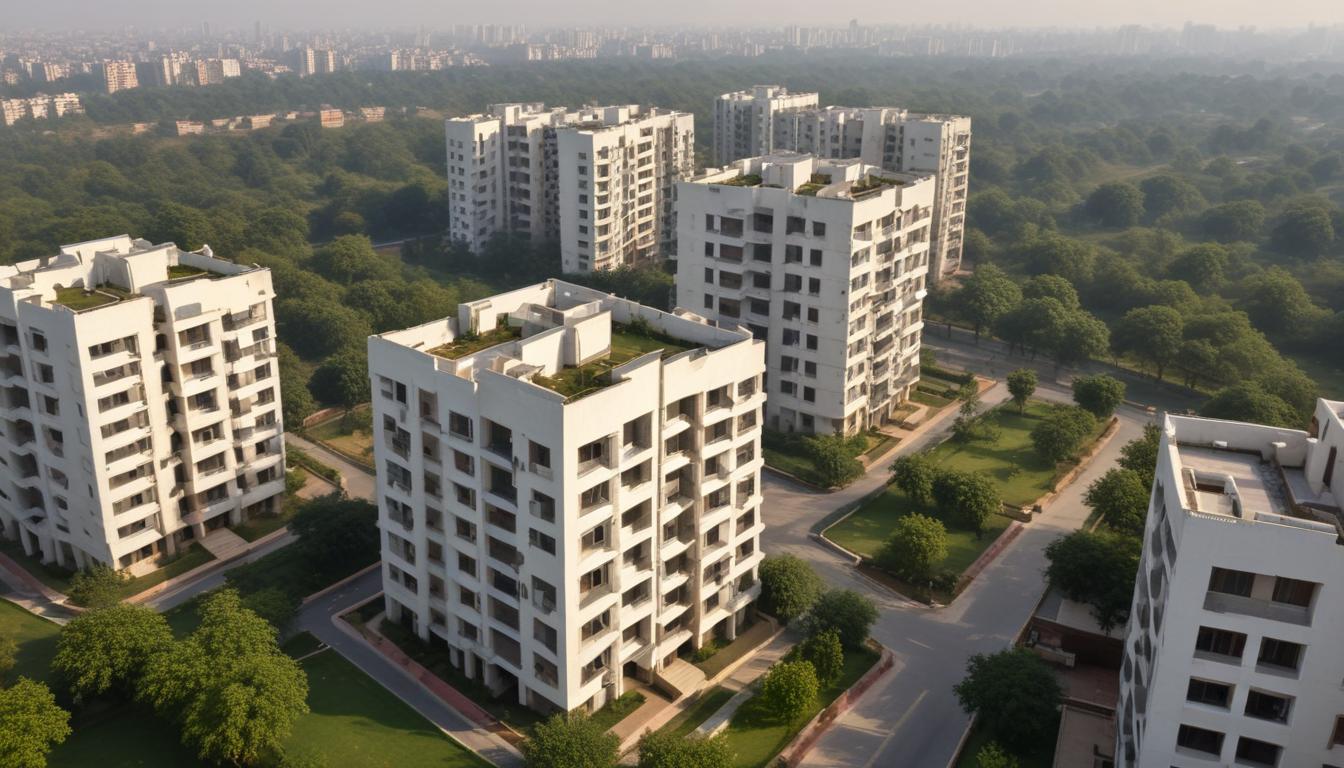
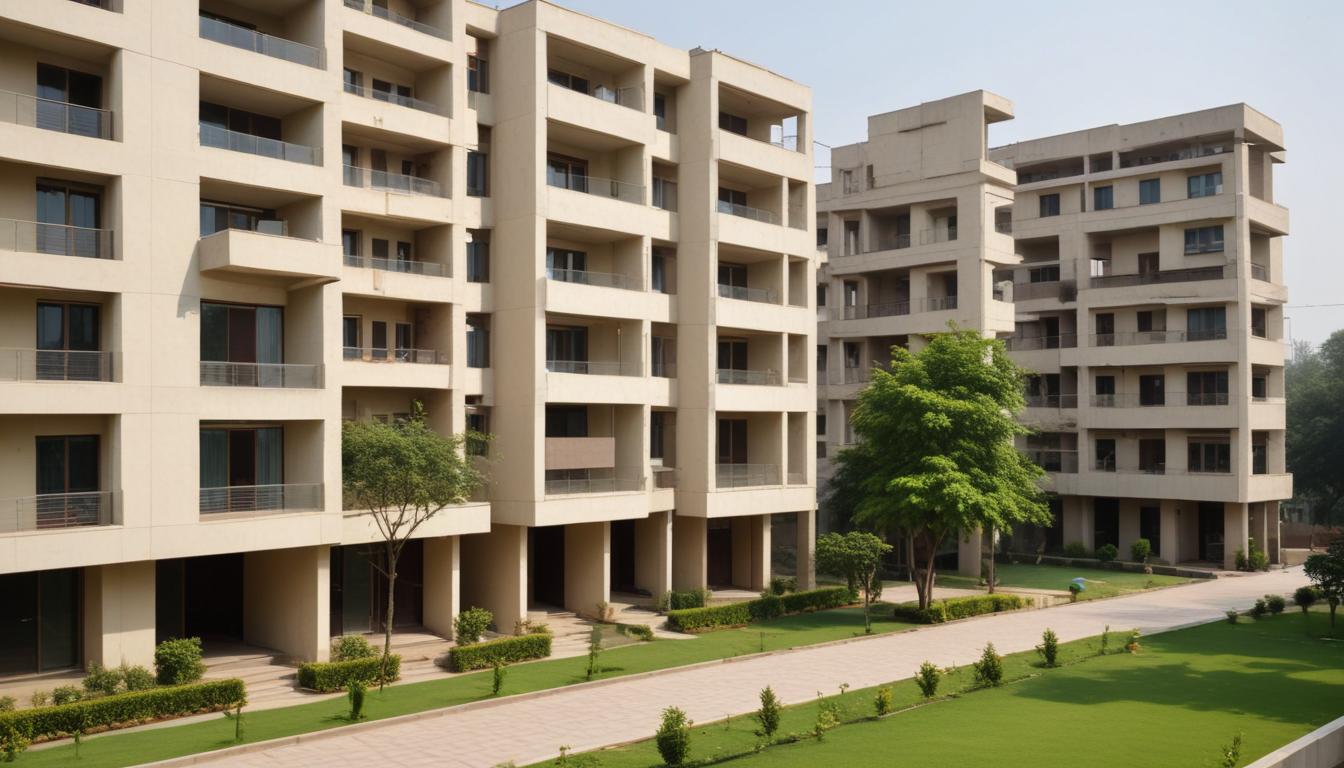
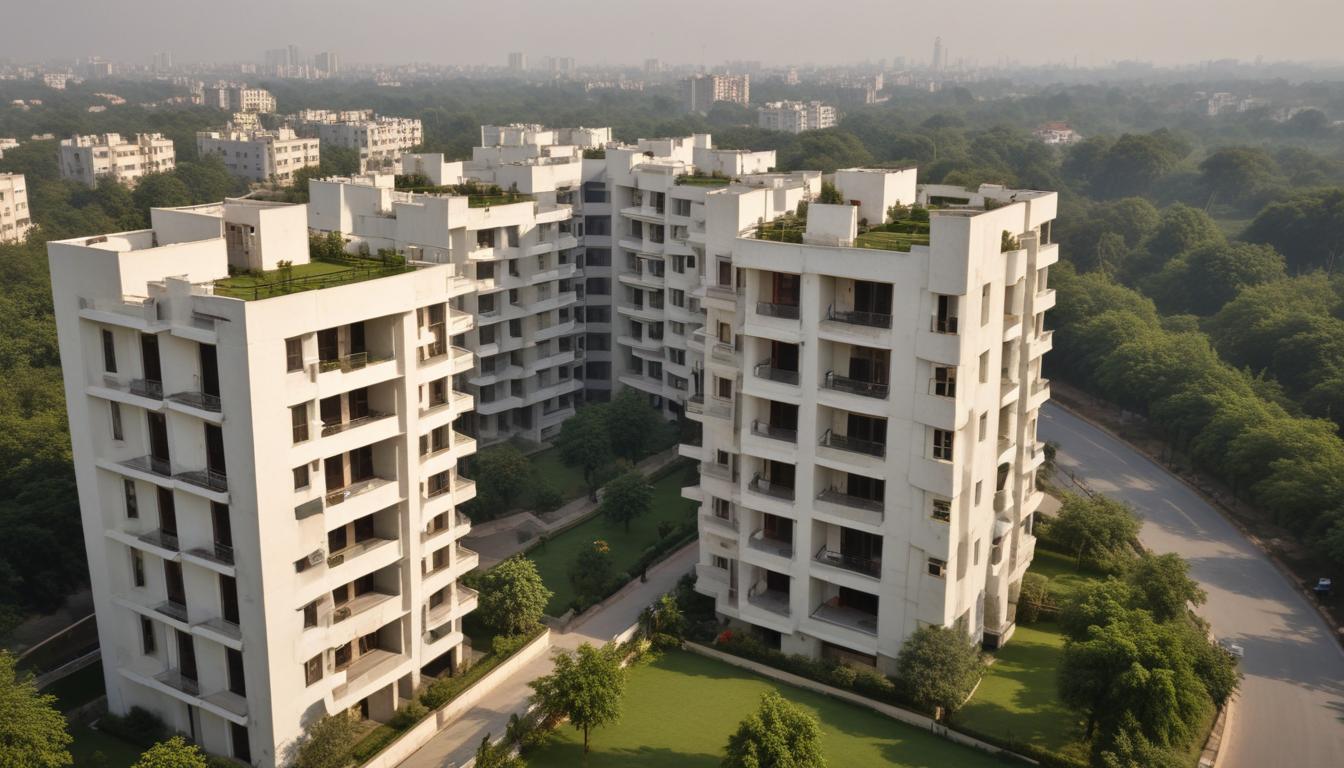
In practical terms, this makes entry-level properties in emerging neighbourhoods like Rohini, Greater Noida Extension, and Dwarka considerably more affordable. While prices in established areas like South Delhi and Central Delhi hover around ₹2-4 crore for modest two-bedroom apartments, subsidised loans can significantly reduce monthly EMI burdens for buyers targeting developing precincts where similar properties cost ₹80-120 lakh.
The Pradhan Mantri Awas Yojana (PMAY) provides additional pathways, particularly benefiting economically weaker sections and lower-income groups. First-time buyers in this category can receive direct subsidies of ₹2.30-2.67 lakh depending on location and income bracket, effectively reducing the property's purchase price.
Beyond government schemes, Delhi's tax framework offers substantial incentives. First-time homebuyers can claim deductions under Section 80C for principal repayment up to ₹1.5 lakh annually, plus Section 24(b) deductions on interest payments. These provisions can result in cumulative tax savings exceeding ₹3-5 lakh over a decade-long mortgage.
Delhi's property registration fees, currently at 4 percent of property value, don't offer exemptions for first-timers—unlike some states—but buyers should factor this into their budgeting alongside stamp duty costs.
Financial advisors recommend first-time buyers pre-qualify for loans before house hunting, enabling stronger negotiating positions. With Delhi's market showing selective growth in suburban corridors while established areas stabilise, informed buyers can identify emerging pockets offering value alongside government support.
The intersection of government assistance and careful suburb selection remains the most effective strategy for Delhi's first-time homebuyers navigating today's market dynamics.
This article was compiled by AI from the sources linked above and screened before publishing. See our editorial standards.