Metro Adjacent Properties Delhi: Fastest Growing Suburbs
Gurgaon and Noida metro-adjacent homes see 15-20% annual growth. Discover why buyers prefer connectivity over traditional Delhi neighborhoods in 2024.
Gurgaon and Noida metro-adjacent homes see 15-20% annual growth. Discover why buyers prefer connectivity over traditional Delhi neighborhoods in 2024.
Delhi's property landscape is undergoing a seismic shift as developers increasingly focus on metro-adjacent suburbs rather than established central precincts, reshaping where and how the city's middle and upper-middle classes choose to live.
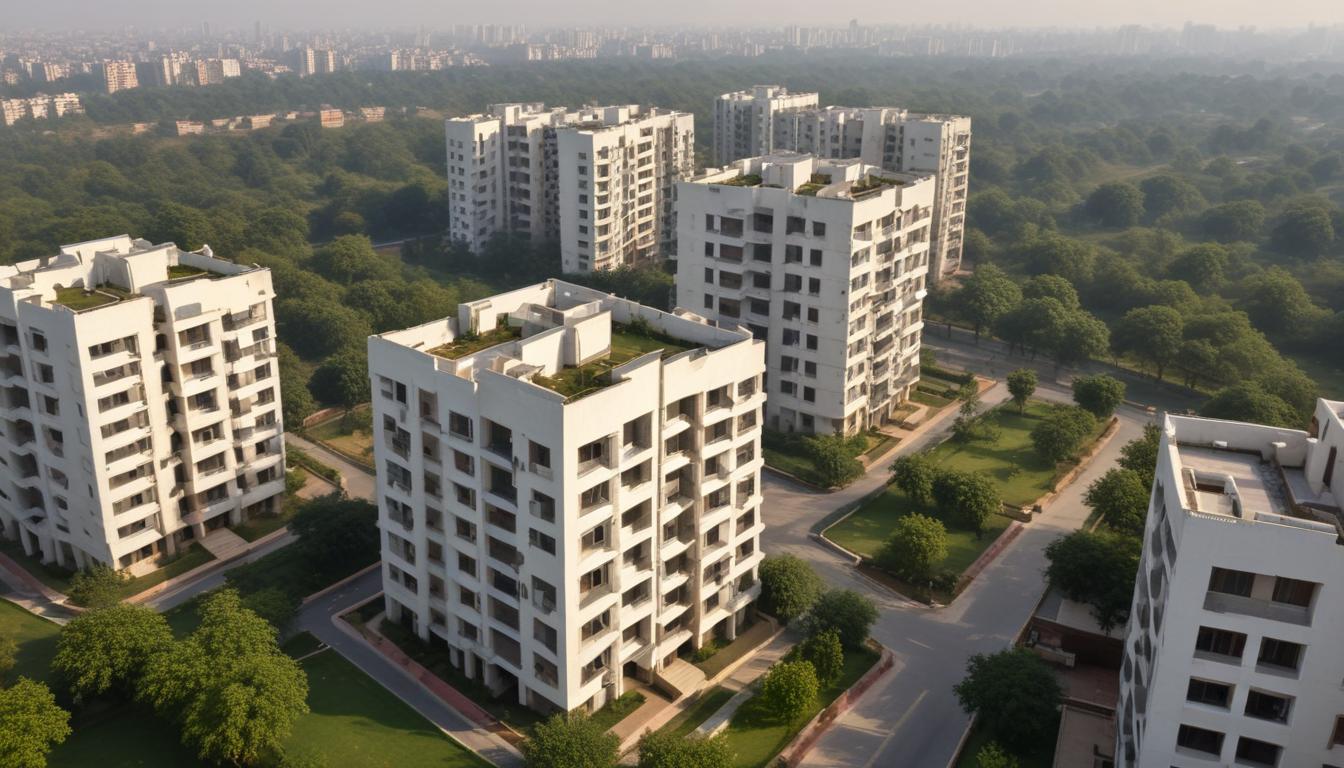
New data from local real estate trackers reveals that Sector 102 in Gurgaon and Noida City Center have seen property valuations climb 15-20% annually over the past three years, significantly outpacing traditional Delhi neighborhoods like Dwarka and South Delhi, which have plateaued at 5-8% growth. The driving force? Last-mile connectivity to the Delhi Metro system.
"We're seeing a fundamental reset in buyer priorities," says Rajesh Kumar, a senior property analyst tracking the National Capital Region. "Ten years ago, South Delhi prestige was everything. Now, a 25-minute metro ride to your workplace beats a two-hour commute from a 'better' address."
The phenomenon has triggered a development boom. Projects like those along the Delhi-Gurugram Expressway corridor and near the Aqua Line metro stations are attracting significant institutional investment. Average prices in these emerging zones now range from ₹5,500 to ₹7,500 per square foot for residential units, compared to ₹12,000-₹18,000 in traditional Delhi South.
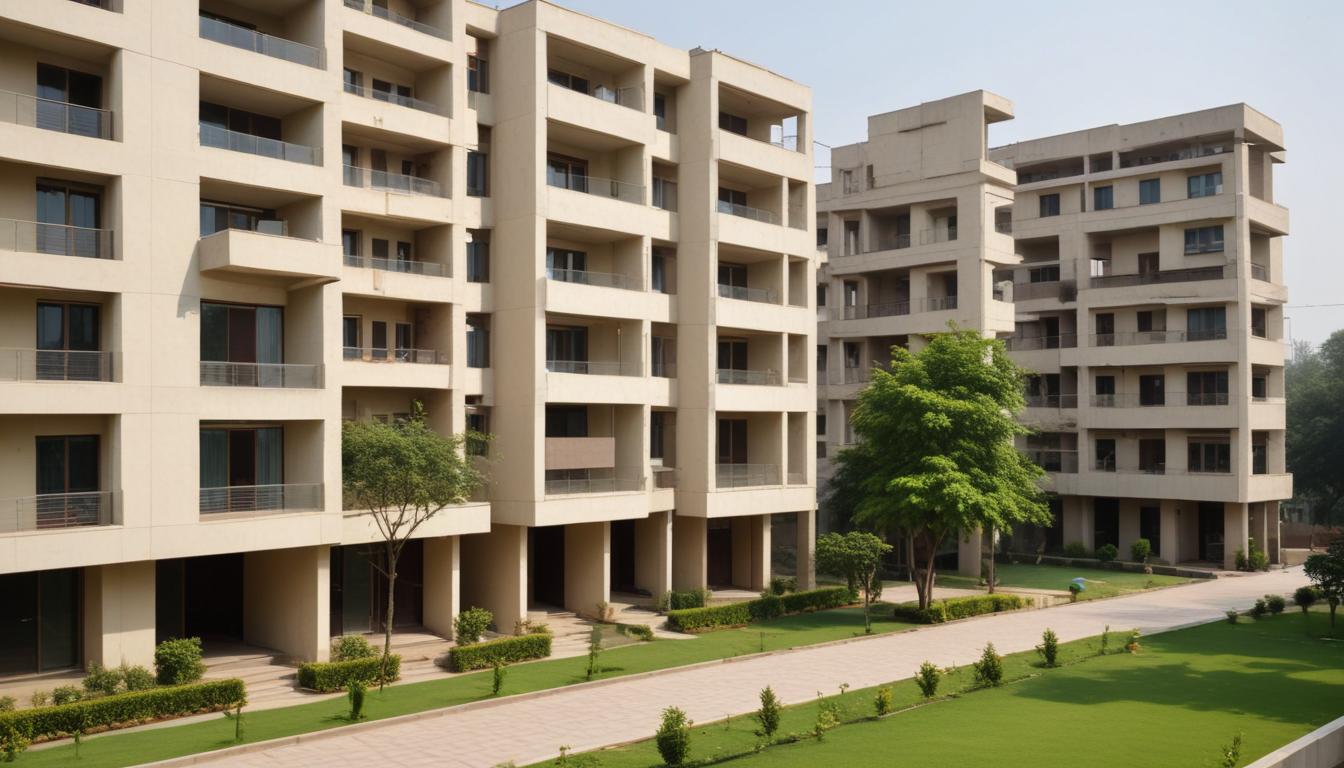
But this isn't simply about affordability. Developers are bundling connectivity with modern planning concepts—integrated townships with reduced car dependency, community spaces, and mixed-use precincts. The Sector 85 development in Gurugram, for instance, now includes dedicated metro feeder bus systems and pedestrian infrastructure that older Delhi neighborhoods lack.
Greater Noida's Sector 150 and 151 have emerged as particularly hot spots, with transaction volumes up 35% in the past six months. These areas now boast institutional-grade office parks alongside residential zones, creating the kind of "15-minute neighborhoods" that younger professionals increasingly demand.
The shift is prompting questions about equity and urban planning. While suburbs boom, central Delhi landlords worry about stagnation. Municipal authorities, however, see opportunity: the dispersal of population pressure could ease congestion in core areas while allowing for infrastructure upgrades in established zones.
For investors, the message is clear: the next decade of Delhi real estate will be won by those who capture the commuter-first buyer. Connectivity, not pedigree, is now the ultimate address.
This article was compiled by AI from the sources linked above and screened before publishing. See our editorial standards.
How does this story make you feel?
Spread the word
About this article
Published by The Daily Delhi
Daily brief
Free, in your inbox before 7am. Weekdays.
More in Property