Delhi's Property Market Shifts Gears: What 2024-25 Holds for Buyers and Investors
As interest rates stabilise and regulatory clarity improves, Delhi's real estate landscape is entering a new phase—but not all suburbs are created equal.
As interest rates stabilise and regulatory clarity improves, Delhi's real estate landscape is entering a new phase—but not all suburbs are created equal.
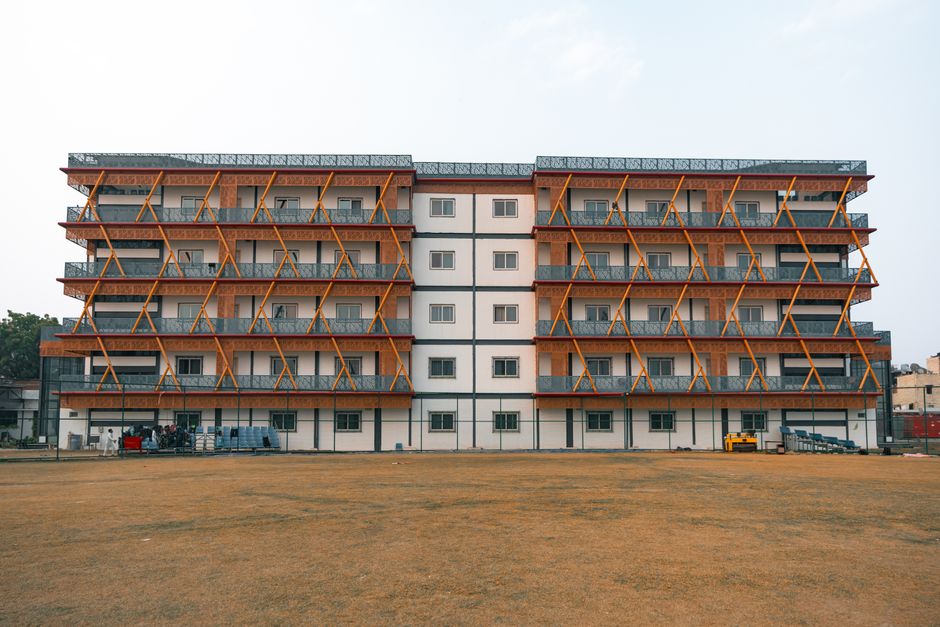
Delhi's property market is at an inflection point. After years of robust growth driven by corporate expansion and NRI investment, the capital's real estate sector is recalibrating in response to shifting economic conditions, regulatory changes, and buyer preferences that increasingly favour sustainability and modern amenities.
Data from leading property trackers suggests that while overall price growth has moderated from double-digit increases to a more measured 6-8% annually, certain micro-markets are defying the broader trend. South Delhi precincts—particularly around Safdarjung and Defence Colony—have maintained their premium positioning, with per-square-foot rates hovering between ₹25,000 and ₹35,000. Meanwhile, emerging localities in Gurugram's adjacent sectors and Noida's premium zones are attracting first-time buyers seeking value, with comparable properties trading at 20-30% discounts to Delhi's established neighbourhoods.
The rental-to-sale ratio remains a critical factor shaping investment decisions. Gurgaon's Sector 52 and Sector 56 are witnessing heightened investor interest, with gross rental yields reaching 3.2-3.5%—attractive enough to draw portfolio diversification from institutional buyers. Conversely, central Delhi localities like Connaught Place and Khan Market continue commanding premium valuations for commercial spaces, though residential segments have seen consolidation as remote work reshapes office-to-residential conversion dynamics.
Regulatory tailwinds are building momentum. The implementation of the Real Estate (Regulation and Development) Act continues instilling transparency in transactions, while RERA filings now account for over 65% of new supply in the NCR region. This legitimisation of the market has reduced buyer friction, particularly among NRIs reconsidering India exposure following periods of caution.
Affordable housing remains a policy priority, yet market realities persist. Properties in Dwarka and Rohini developments—traditionally positioned as entry-level—now command prices that stretch first-time buyers. This mismatch between policy intent and ground-level affordability suggests future interventions may mirror international models, including land pooling schemes and incentivised developer partnerships.
Looking ahead, sustainability certifications and smart-home integration are transitioning from luxury differentiators to market expectations. Developers incorporating EV charging, water recycling, and energy-efficient systems are capturing premium buyers in South and West Delhi, while traditional layouts struggle for valuation support.
The consensus among leading estate agents and market analysts remains cautiously optimistic: Delhi's property market will experience steady appreciation rather than explosive growth, with significant variation across micro-markets. Buyers prioritising established credentials should expect stability; those seeking growth should scout emerging corridors before mainstream recognition drives valuations higher.
This article was compiled by AI from the sources linked above and screened before publishing. See our editorial standards.
How does this story make you feel?
Spread the word
About this article
Published by The Daily Delhi
Daily brief
Free, in your inbox before 7am. Weekdays.
More in Property