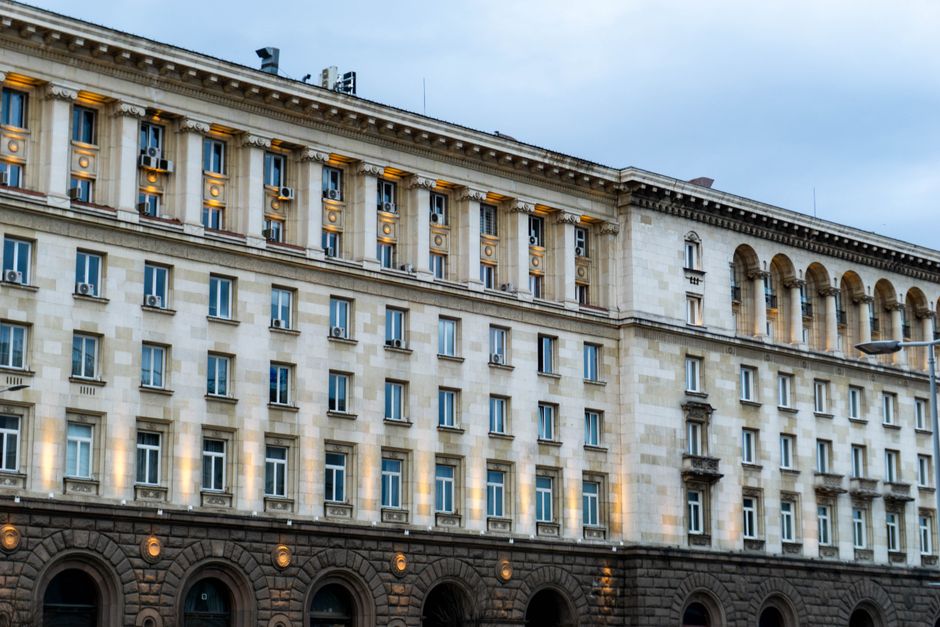
The Ministry of Urban Development informed staff at its office on Minto Road on Tuesday that quarterly allocations would be reduced by 12 percent through September, joining at least four other federal agencies reporting similar constraints this fiscal year.
The squeeze reflects New Delhi's pivot toward emergency spending on drought mitigation and cooling centers across northern India, where temperatures have repeatedly exceeded 48 degrees Celsius. The Department of Rural Development halted new disbursements under its affordable housing program on June 28, redirecting those funds to groundwater replenishment projects in Haryana and Rajasthan.
For Delhi, the implications stretch beyond immediate budget headaches. Federal agencies headquartered here administer programs affecting everything from water quality monitoring to inter-state pollution control. The National Green Tribunal, based in the Indira Gandhi Indoor Stadium complex in New Delhi, has postponed hearings on three major industrial cases this month due to staff furloughs.
The Pressure on Capital City Operations
Federal offices in Kasturba Nagar and South Block are operating at reduced capacity. The Central Public Works Department, which oversees maintenance of government buildings across the National Capital Region, cut its maintenance contractor roster by 23 percent on June 15. Officials there cited emergency redirection of cement and steel supplies to dam repair work in Himachal Pradesh.
The Indian Bureau of Mines, headquartered near Safdarjung Tomb, suspended new compliance inspections at quarries in the National Capital Region starting July 1. A spokesperson explained that inspectors had been reassigned to emergency assessments of mining activity in drought-affected districts where groundwater extraction has accelerated.
Delhi's federal payroll itself faces pressure. The Central Government Employees' Association raised concerns on June 22 about delayed reimbursements for official travel, with some employees still waiting for May claims. The Ministry of Personnel and Public Grievances acknowledged the delays are linked to the broader reallocation.
Numbers Don't Add Up Quickly
Budget documents reviewed by this publication show the Union Cabinet approved a 18 billion rupee transfer from the Ministry of Housing and Urban Affairs to the Ministry of Jal Shakti on June 20. That represented the largest single inter-ministry reallocation since 2019.
The National Institute of Public Finance and Policy, a Delhi-based think tank, projected earlier this year that federal agencies would maintain roughly 94 percent of planned spending through the monsoon season. Current tracking suggests the actual figure will land closer to 81 percent.
The Comptroller and Auditor General's office, located in the R.K. Puram complex, is preparing a special audit of emergency expenditures related to the heat crisis. That report is expected by November.
For residents and businesses depending on federal services, the practical reality is straightforward: expect longer processing times. Applications for commercial water quality permits through the Central Pollution Control Board, normally decided within 30 days, are now averaging 47 days. The Environmental Impact Assessment process for proposed developments has experienced similar delays.
Agency heads in Delhi are requesting supplementary allocations when Parliament reconvenes in August. Whether those requests succeed depends partly on how severe the drought becomes in coming weeks. If the monsoon arrives early and precipitation meets seasonal targets, the emergency reallocations may reverse partially by September. If not, federal workers here should prepare for a second consecutive fiscal year of constrained operations.