Delhi's Green Push Gains Momentum: Three Major Sustainability Projects Launch This Week
From Yamuna riverfront restoration to electric bus expansion, the capital marks a significant shift in environmental action.
From Yamuna riverfront restoration to electric bus expansion, the capital marks a significant shift in environmental action.
Delhi's sustainability landscape shifted noticeably this week as three major environmental initiatives officially commenced, signalling a coordinated push to address the city's persistent air quality and water management challenges.
The most visible development came Monday when the Delhi Jal Board inaugurated Phase Two of the Yamuna riverfront regeneration project, a 12-kilometre stretch spanning from the ITO area to the Okhla barrage. The initiative, budgeted at ₹380 crores, focuses on wetland restoration and pollution control infrastructure. Officials estimate the project will reduce phosphorus levels in the river by 35 percent over 18 months, directly improving water quality downstream of the capital's most critical waterway.
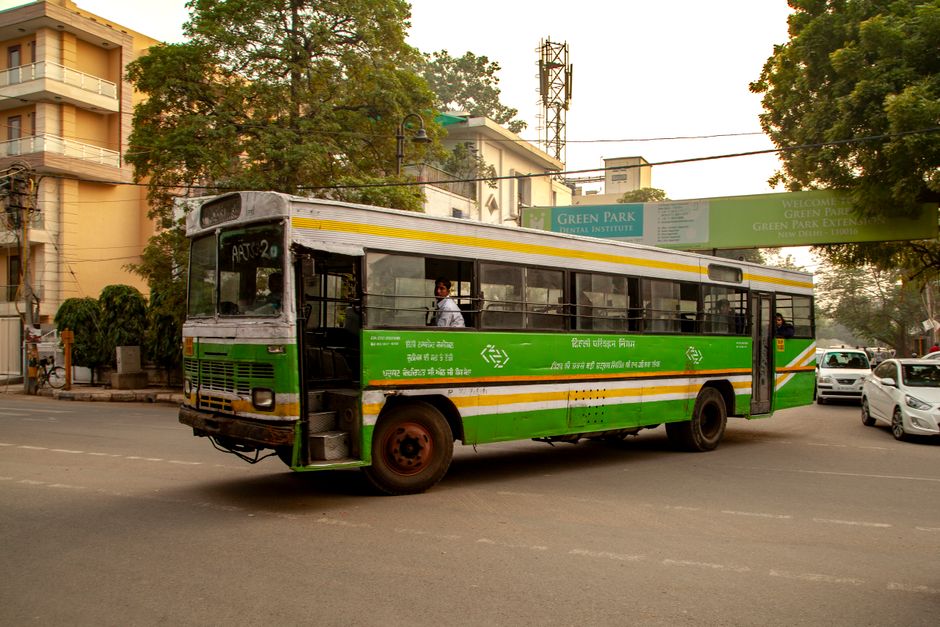
Simultaneously, the Delhi Transport Corporation announced expansion of its electric bus fleet to 2,400 vehicles by December 2026, up from the current 1,850 units. The announcement comes as daily commuter traffic through central Delhi corridors like Rajpath and Connaught Place continues to strain air quality metrics. An independent analysis suggests the expanded fleet could reduce vehicular emissions by approximately 18 percent across major thoroughfares within two years.
Wednesday's development focused on urban forestry. The Delhi Forest Department launched a tree-planting drive targeting 50,000 saplings across nine wards, with particular emphasis on East Delhi's Preet Vihar and Shahdara neighbourhoods, historically among the city's most pollution-vulnerable areas. The initiative prioritizes native species including neem, peepal, and ashoka trees, moving away from ornamental varieties.
Environmental groups have cautiously welcomed the announcements. The collective action addresses feedback from Delhi's chronic air quality crises—last November, the Air Quality Index regularly exceeded 500 across multiple monitoring stations. However, experts note that coordination between these separate initiatives remains critical. Water quality improvements mean little without parallel efforts to reduce industrial discharge and construction dust, concerns that remain administratively fragmented across multiple agencies.
The timing reflects growing political attention to environmental issues, driven partly by sustained public health concerns and a significant spike in respiratory illnesses during winter months. Air pollution alone costs Delhi's economy an estimated ₹15,000 crores annually in healthcare and productivity losses, according to recent economic analyses.
Implementation challenges persist. Previous tree-planting drives have suffered from inconsistent maintenance and survival rates below 60 percent. Yamuna restoration projects have faced coordination delays between federal and state authorities. The expanded electric bus programme depends on charging infrastructure expansion across the city, currently concentrated in limited zones.
Officials have committed to monthly progress reports, suggesting renewed accountability measures. The capital's residents, accustomed to ambitious environmental announcements, will likely gauge success through measurable improvements in air and water quality across the next financial year.
This article was compiled by AI from the sources linked above and screened before publishing. See our editorial standards.
How does this story make you feel?
Spread the word
About this article
Published by The Daily Delhi
Daily brief
Free, in your inbox before 7am. Weekdays.
More in News