news
Delhi's Housing Crisis: 40 Lakh Families Still Without Planned Housing
New government data exposes the true scale of Delhi's unplanned housing catastrophe, and why the numbers matter more than the politics.
How we reported this
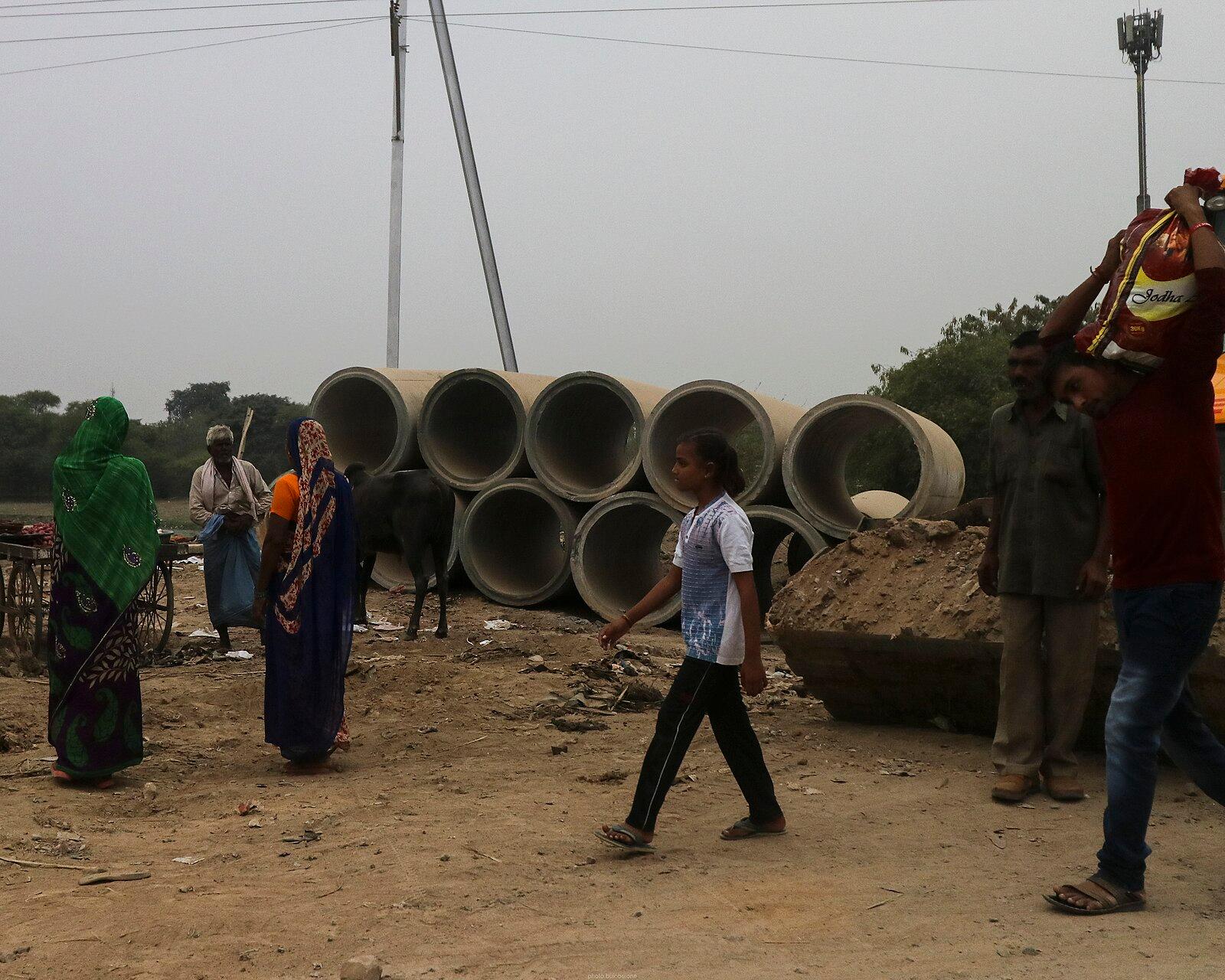
Delhi is running out of room to hide a problem it has been counting, and miscounting, for two decades. A report tabled before the Delhi Urban Shelter Improvement Board in late June 2026 puts the number of families living in unauthorised colonies, JJ clusters and resettlement zones at approximately 40 lakh, roughly 40 per cent of the city's total population of an estimated 2.2 crore. The figure is not new. The crisis behind it very much is.
The timing matters. The Delhi Development Authority's Master Plan 2041, notified by the Central government in 2023, set aggressive targets for regularising colonies and building affordable units on public land. Three years in, housing ministry officials in Nirman Bhawan confirm that fewer than 11 per cent of the planned 1.8 lakh new dwelling units have broken ground. Meanwhile, land values across South and West Delhi have climbed between 18 and 23 per cent since January 2024, pricing out the very households the plan was designed to help.
The Ground Reality in Sangam Vihar and Bhalswa
Go to Sangam Vihar, south Delhi's largest unauthorised colony, home to an estimated 8 to 10 lakh people, and the numbers become concrete fast. A 100-square-yard plot that sold for Rs 12 lakh in 2019 now fetches Rs 28 lakh. The Delhi Jal Board laid new water mains on Devli Road last year, but fewer than 60 per cent of Sangam Vihar's internal lanes are connected. Residents pay private tanker operators between Rs 800 and Rs 1,200 per week for supplemental supply.
Bhalswa, in North Delhi near the landfill that the AAP government has promised repeatedly to flatten, tells a grimmer story. The neighbourhood sits on or adjacent to roughly 70 hectares of degraded land. The Bhalswa Garbage Mountain, officially the Bhalswa Solid Waste Processing Site, still rises to around 60 metres, classified as a risk zone, yet housing colonies press right against its boundary wall. The Delhi Pollution Control Committee measured particulate matter levels in the Bhalswa sector at more than four times the national safe standard on 19 of the 30 days in June 2026.
What the Data Actually Shows
The DUSIB's internal audit, circulated to the Chief Minister's office in the first week of July, counted 1,797 JJ clusters across Delhi as of April 2026, up from the 1,639 clusters recorded in the 2011 census baseline. That is an increase of roughly 10 per cent in cluster count over 15 years, even as the city demolished and relocated thousands of units. Demolition, the data suggests, has not reduced the problem. It has scattered it.
The Pradhan Mantri Awas Yojana, Urban scheme, administered through the Ministry of Housing and Urban Affairs, had a Delhi-specific allocation of Rs 4,200 crore for the current financial year. Against that, the Delhi government's own reconciliation figures show actual disbursement of Rs 1,104 crore through May 2026, or about 26 per cent of the year's target with two months left on the fiscal clock. The gap between allocation and disbursement is not unique to Delhi, but at this scale it translates into tangible delays, an estimated 62,000 approved beneficiaries who have not received their second tranche payment.
Construction costs compound the squeeze. The Building Materials and Technology Promotion Council's quarterly index puts the cost of constructing a basic multi-storey affordable unit in Delhi at Rs 2,850 per square foot as of June 2026, against Rs 1,980 per square foot in 2022. That 44 per cent increase in four years has effectively made the Rs 2.5 lakh central subsidy per unit, unchanged since the PMAY-U scheme's last revision, insufficient by a wide margin for contractors operating in the capital's land market.
The DUSIB board is scheduled to meet on July 17 to approve a revised in-situ slum redevelopment tender for three sites including Kalkaji Extension and Kathputli Colony, where demolition was first announced in 2017. Residents there should watch for whether the new tender carries enforceable handover timelines. Past experience, Kathputli Colony's transit camp has held families for nearly eight years, suggests that without penalty clauses and independent monitoring, a number in a government document stays just that: a number.