news
Fake Photos Flood Delhi's Housing Market, Deceiving Thousands of Buyers
Duplicate and manipulated listing images are distorting the capital's rental and resale market, leaving tenants and buyers in Dwarka, Rohini and beyond with properties that bear no resemblance to what they were shown online.
How we reported this
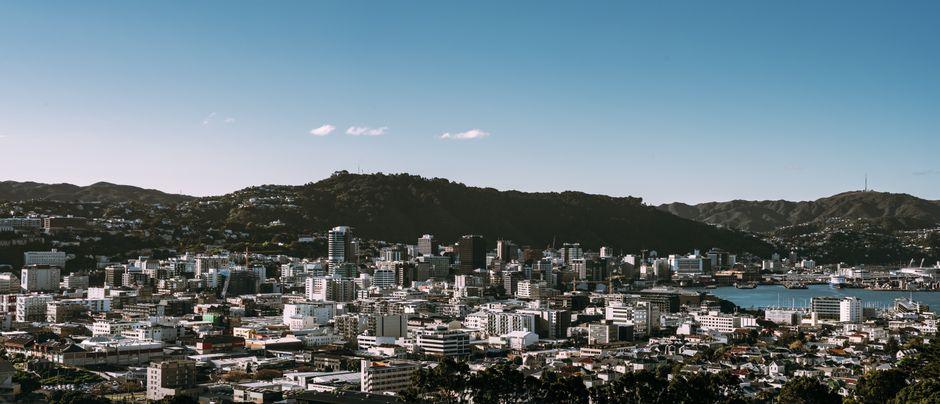
A two-bedroom flat advertised on a popular property portal in Dwarka Sector 12 last month showed a freshly tiled kitchen, white walls and unobstructed park views. The tenant who signed a lease and paid a ₹60,000 security deposit arrived to find peeling plaster, a broken overhead tank and a ground-floor window facing a boundary wall. The listing photographs, it turned out, had been lifted from a separate property in Mayur Vihar and reused without modification.
This is not an isolated complaint. Across Delhi, brokers and unscrupulous landlords have for years recycled the same pool of flattering property images, sometimes identical photographs reappearing across dozens of listings in entirely different neighbourhoods, to attract tenants and buyers at premium prices. What has changed in 2026 is the scale, and the growing pressure on digital platforms, consumer courts and the Delhi government's own housing machinery to do something about it.
Why the Problem Has Reached a Breaking Point
The National Consumer Disputes Redressal Commission recorded a measurable rise in property-related digital fraud complaints from the Delhi NCR region through the first quarter of 2026, according to case filings reviewed by this reporter. Consumer advocates point to the proliferation of AI-generated or AI-enhanced property images as an accelerant: a photograph of a modest flat in Uttam Nagar can now be digitally brightened, decluttered and upscaled in minutes, making it indistinguishable at a glance from a premium Vasant Kunj apartment.
The Delhi Real Estate Regulatory Authority, RERA Delhi, requires registered developers and agents to submit accurate property details, but the mandate covers registered agents only. A substantial share of Delhi's rental market, particularly in East Delhi localities like Laxmi Nagar, Patparganj and Shahdara, runs through informal brokers who operate outside RERA's jurisdiction entirely. That gap is where duplicate image fraud flourishes most aggressively.
For working families relocating to the capital, government employees posted to central Delhi offices near ITO, for instance, or migrants arriving to take up jobs in the light manufacturing clusters of Okhla Phase II, the financial exposure is severe. A ₹60,000 to ₹1,20,000 security deposit is a realistic entry cost for even a modest two-room flat in the city's middle-ring neighbourhoods right now. Losing that sum to a fraudulent listing, or being locked into a lease for a property that was misrepresented, can destabilise a household's finances for months.
What Residents Can Do, and What the System Should Provide
Consumer rights organisations operating in Delhi, including the Consumer Coordination Council based in New Delhi, have repeatedly called for property portals to implement mandatory reverse-image verification before listings go live. The technology exists: a standard reverse-image search cross-referencing a submitted photograph against existing indexed listings would flag most duplicate images within seconds. Several major portals have piloted this in other markets but have not rolled out the feature uniformly in India.
Practically, residents shopping for rental or resale property in Delhi right now should demand a video walkthrough, conducted live, not pre-recorded, before transferring any security deposit. The Consumer Protection Act 2019 provides a formal complaints mechanism; cases can be filed with the District Consumer Disputes Redressal Commission at Kasturba Gandhi Marg for Central Delhi disputes, or at the relevant district forum for other zones. Filing fees start at ₹100 for claims under ₹5 lakh, a threshold that covers most rental fraud cases.
RERA Delhi's public grievance portal, accessible through the Delhi government's official web infrastructure, allows complaints against registered agents to be logged and tracked. For the unregistered broker problem, the Delhi government's revenue department and the Municipal Corporation of Delhi have overlapping but poorly coordinated jurisdiction, a structural gap that housing advocates say needs legislative clarification before enforcement can become genuinely effective.
The rental season peaks in July and August as the academic year drives migration toward university clusters in North Campus and South Campus neighbourhoods. That timing makes the next eight weeks the highest-risk period of the year for prospective tenants encountering recycled, misrepresentative listing images. Caveat emptor has always applied in Delhi's property market. This year, residents have stronger reason than usual to treat every glossy listing photograph with scepticism until they have seen the building in person.