news
Delhi's Digital Archives Contain Thousands of Corrupted Ghost Images
Civic databases, heritage portals and government property records across the capital are cluttered with thousands of duplicate and corrupted image files, and the push to fix it is finally gaining traction.
How we reported this
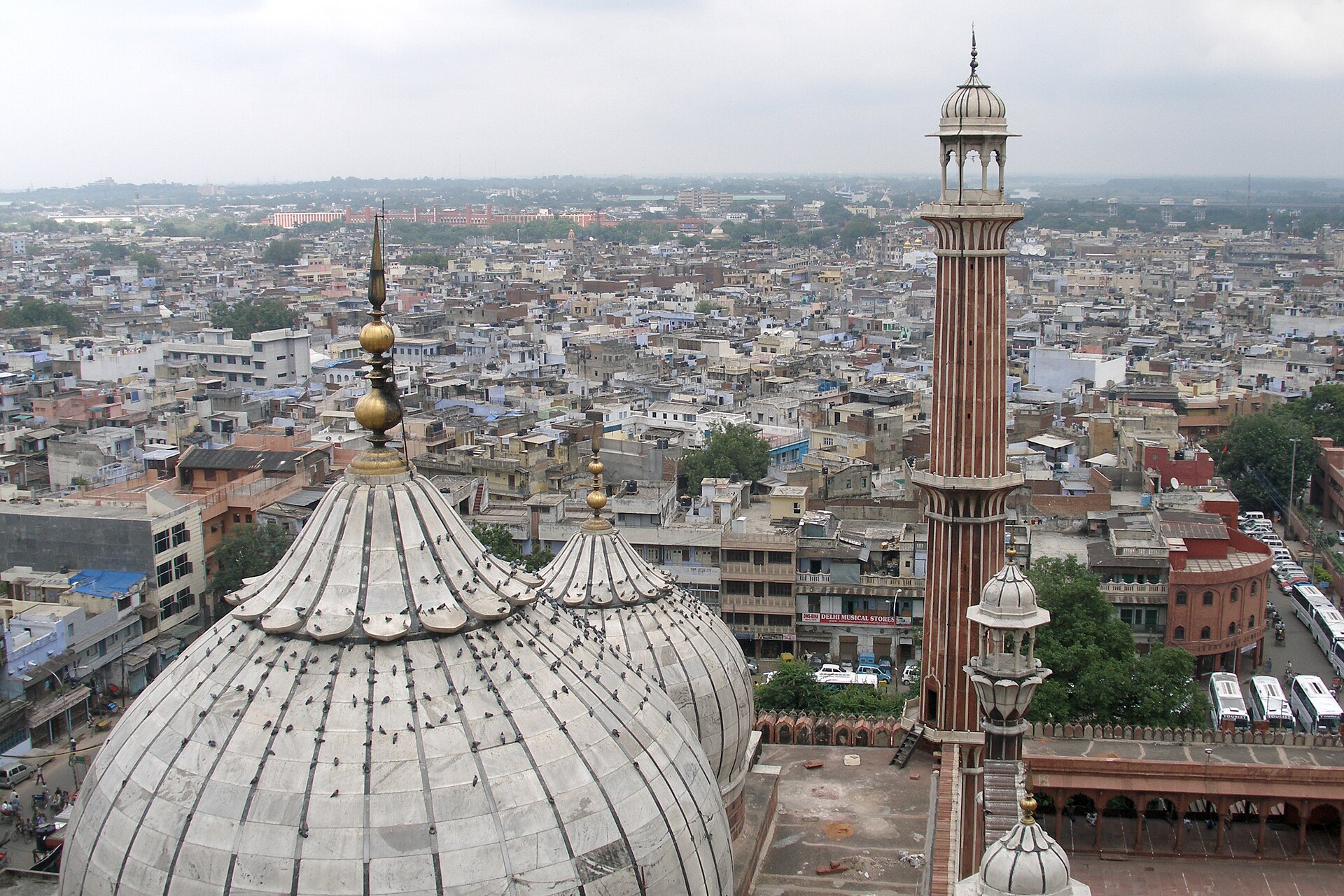
At least three major Delhi government digital repositories, including the Delhi Urban Shelter Improvement Board's property database, the Archaeological Survey of India's online heritage catalogue for Old Delhi monuments, and the Delhi Metro Rail Corporation's Phase 4 project documentation portal, are carrying duplicate, mislabelled or low-resolution images that officials acknowledge are slowing down public access and creating administrative confusion. The problem, long treated as a backend nuisance, is now being discussed seriously ahead of a broad digitisation review scheduled for the third quarter of 2026.
The timing matters because Delhi's civic technology ambitions have accelerated sharply. The Aam Aadmi Party government committed in its 2025-26 budget to digitising 1.2 crore property records under the revised Doorstep Delivery scheme, and the DMRC simultaneously pushed thousands of engineering and land-acquisition images onto its Phase 4 corridor documentation system covering the Janakpuri West to Krishna Park Extension stretch. When multiple departments are uploading at scale, duplication is not a side effect, it is inevitable without active deduplication protocols, according to digital governance specialists familiar with the projects.
The Scale of the Problem in Delhi's Civic Systems
Image duplication in government databases is rarely glamorous enough to generate political heat, but it carries real administrative cost. A civil society technology group that works with the Delhi Secretariat on open-data initiatives estimated internally that duplicate image files can account for between 15 and 40 percent of total storage load in unmanaged civic portals, a range consistent with what independent data auditors have documented in other high-volume South Asian municipal systems, including those in Mumbai's Brihanmumbai Municipal Corporation and Kolkata's KMC digital land records wing.
The Archaeological Survey of India's Qutb Minar and Red Fort documentation portals have been flagged specifically by heritage researchers working out of the Indian National Trust for Art and Cultural Heritage's Delhi chapter. Those researchers have pointed to instances where the same monument photograph appears under different file names and metadata tags, making keyword searches return redundant results and pushing accurate, high-resolution images further down in retrieval queues. INTACH has long advocated for a standardised image taxonomy across Indian heritage portals, though no national mandate has yet been issued.
Officials within the Delhi government's IT department, which sits under the e-Governance directorate on IP Estate near ITO, are understood to have begun an internal scoping exercise. The directorate has not yet published a formal report, and no spokesperson has been made available for comment. Within technical circles, the preferred approach involves hash-based deduplication software, tools that generate a unique digital fingerprint for each image file and automatically flag or merge copies, combined with a manual review layer for heritage and legal documentation where image provenance matters.
What the Experts Say Needs to Happen
Practitioners in Delhi's growing civic-tech sector broadly agree on the priority sequence: audit first, automate second, and build a governance layer that prevents fresh duplication from re-accumulating. Digital archivists associated with the Delhi Archives on Shyama Prasad Mukherjee Marg point out that the root cause is structural, different departments procure their own content management systems without interoperability requirements, so a photograph uploaded to the DUSIB portal and the same image later uploaded to a Smart Cities Mission dashboard exist in entirely separate silos with no mechanism to detect the overlap.
The Smart Cities Mission timeline is itself a pressure point. Delhi's Smart City proposals under the central government's programme, administered through the Ministry of Housing and Urban Affairs, carry documentation deadlines tied to central fund disbursements. Departments rushing to meet those deadlines have historically re-uploaded images rather than trace the originals, compounding the problem.
For residents and journalists who rely on government image banks, whether for property verification in Shahdara or heritage permit applications in Mehrauli, the practical advice from digital governance advocates is consistent: always cross-reference images with the accompanying metadata date stamp and file identifier, and lodge a Right to Information request if a document image appears corrupted or duplicated on an official portal. The RTI mechanism, slow as it can be, remains the most reliable lever available to ordinary users pressing for image-record corrections in Delhi's civic systems.