news
Delhi Officials Tackle Thousands of Corrupted Images in Digital Archives
Government portals, civic databases and heritage records across the capital are riddled with broken or duplicated image files, and the pressure to clean them up is finally reaching a head.
How we reported this
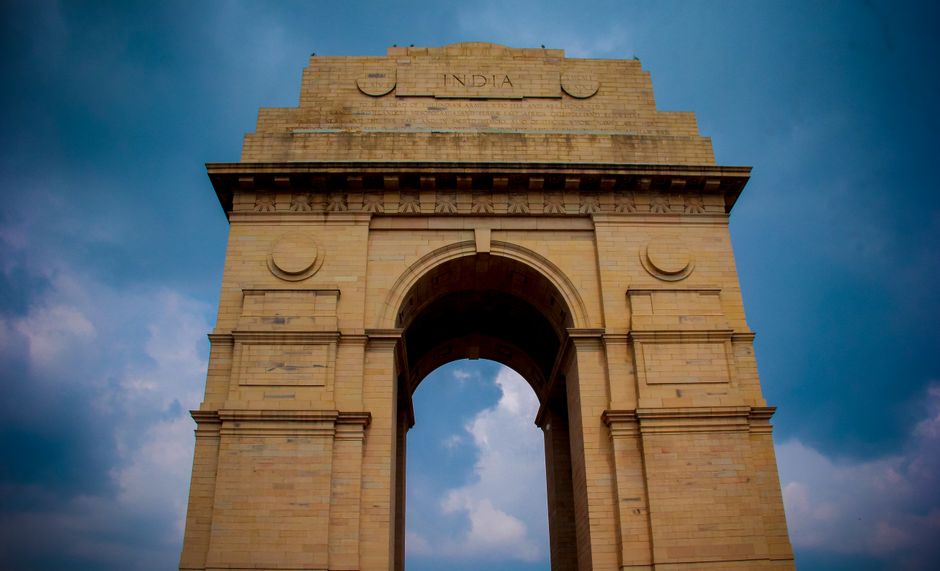
Thousands of images stored across Delhi's public-facing digital platforms, from the Delhi Development Authority's housing portal to the Municipal Corporation of Delhi's property tax database, are either duplicated, corrupted or returning broken links to citizens trying to access them. The problem, long dismissed as a minor technical irritant, has quietly grown into a governance headache that is now drawing attention from civic technologists, archivists and government IT departments alike.
The timing is not accidental. Delhi Metro Phase 4 construction documentation, heritage surveys of Old Delhi neighbourhoods like Shahjahanabad and Lal Kuan, and the Yamuna riverfront redevelopment project all depend on accurate image records stored on government servers. When those records contain duplicate entries or dead links, project officers are forced to re-upload files, creating further redundancy and, in some cases, mismatched data that can delay approvals by weeks.
What the Experts Are Saying
Digital governance specialists who work with municipal bodies in the capital describe duplicate image replacement, the process of identifying, removing and correctly re-linking redundant image files in a database, as one of the least glamorous but most consequential forms of data hygiene. The India Urban Data Exchange, which facilitates data-sharing between city governments and research institutions, flagged the issue in its 2025 annual working paper as a systemic problem across Tier-1 Indian cities. According to that paper, civic portals in major metros carried an average image duplication rate of between 18 and 23 percent across their public-facing databases as of December 2024.
The Delhi e-Governance Society, which operates under the state government and manages the backend of several citizen service portals, has been working on an automated deduplication tool since at least the first quarter of 2025. The tool, built around perceptual hashing, a technique that identifies visually identical images even when file names differ, was piloted on the Delhi Jal Board's infrastructure documentation database earlier this year. Results from that pilot have not been made public, but officials familiar with the process have acknowledged that the rollout is proceeding in stages.
Archivists at the Delhi State Archives on Rajpur Road in Civil Lines have separately raised concerns about heritage photograph collections that were digitised between 2018 and 2022 under a central government grant. Several thousand scanned images from that project appear in multiple records simultaneously, creating confusion about provenance and making it harder for researchers to cite originals. The archives span colonial-era maps, Partition documentation and urban planning records going back to the early twentieth century, material that cannot simply be re-scanned if the linked files are corrupted.
The Practical Stakes for Citizens
For ordinary Delhiites, the consequences are more immediate than they might appear. Property mutation requests filed through the MCD's online portal require applicants to upload supporting documents including photographs of the property. When the portal's backend fails to correctly replace a previously uploaded duplicate image, as has happened to applicants in Karol Bagh and Dwarka Sub-City among other areas, applications stall in a pending status that can take weeks to resolve through manual intervention at a zonal office.
The Right to Service Act, which Delhi enforces with defined timelines for government responses, means that such delays can technically constitute a violation. Civic technology groups have been documenting these cases, though a comprehensive tally has not yet been published.
What happens next depends largely on whether the Delhi e-Governance Society extends its deduplication pilot beyond the Jal Board into the MCD's property and building plan databases, both of which process hundreds of new image uploads every working day. Officials have indicated a decision on that expansion is expected before the end of the third quarter of 2026. For residents dealing with stalled applications in the meantime, the practical advice from digital rights groups is straightforward: retain original high-resolution files, avoid re-uploading under new filenames, and escalate in writing to the relevant zonal office if a portal-linked image causes a processing delay beyond the statutory deadline.