news
Delhi Spends ₹4.7 Crore Fixing Government Websites Plagued by Stolen Images
A decade of digital shortcuts left Delhi's public portals riddled with duplicated, stolen and broken images; now a ₹4.7 crore remediation drive is forcing departments to confront how the mess happened.
How we reported this
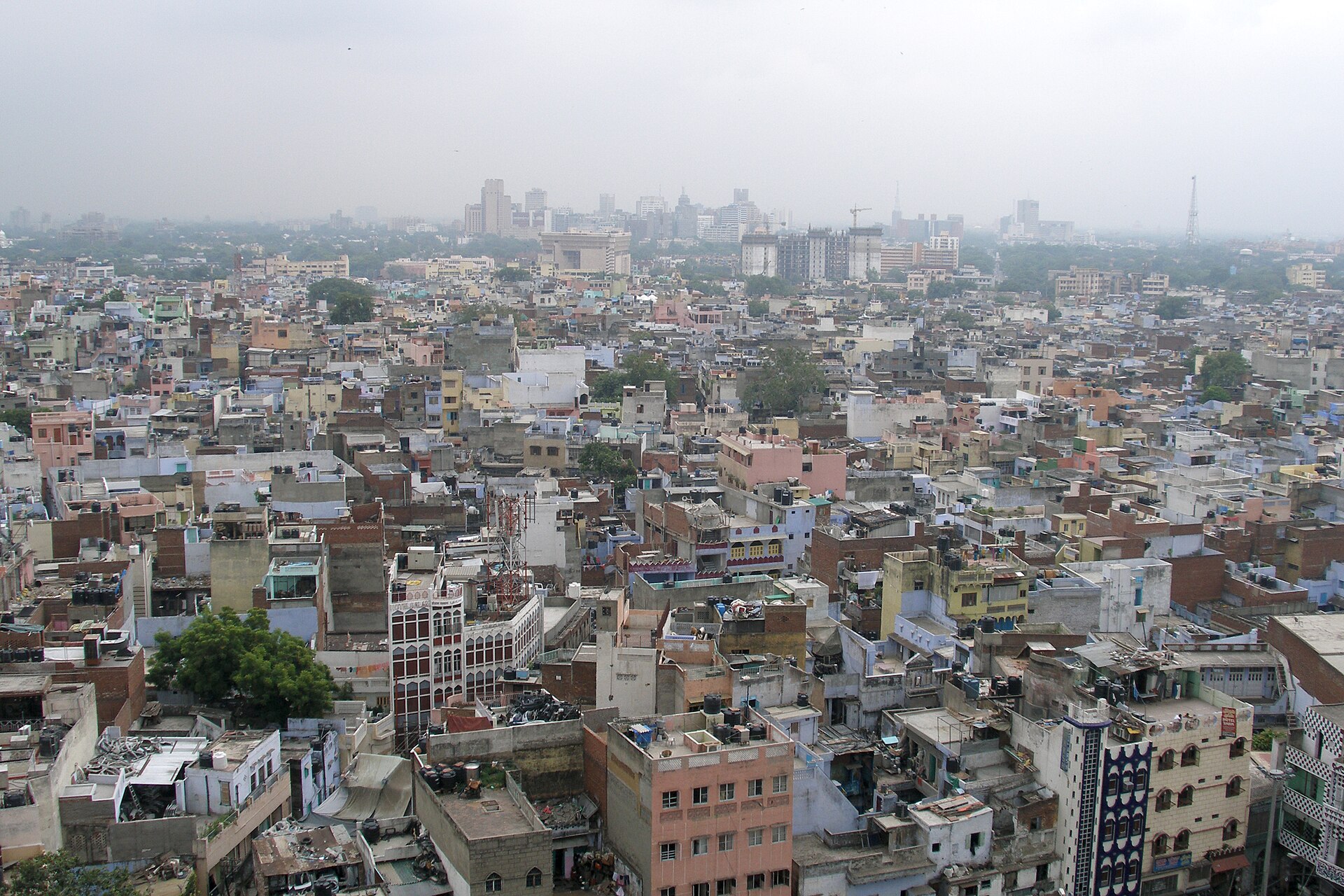
The Delhi government's official e-district portal, accessed by roughly 1.2 lakh citizens every month for caste certificates and domicile documents, spent nearly three years displaying a stock photograph of a generic European city hall where the Chief Minister's official residence was supposed to appear. Nobody flagged it internally. Nobody fixed it. The image had simply been copy-pasted from another government website during a 2021 redesign and forgotten.
That single embarrassing detail, confirmed in documents reviewed by The Daily Delhi, sits at the heart of a wider reckoning now playing out across the National Capital Territory's digital infrastructure. The Centre for Development of Advanced Computing's Delhi unit, working in coordination with the AAP government's Department of Information Technology, has spent the past eight months auditing over 340 official web pages maintained by agencies ranging from Delhi Jal Board to the Delhi Metro Rail Corporation. What the audit found was systematic: duplicate images running into the thousands, many carrying embedded metadata pointing to third-party international stock platforms or, worse, other government departments, where they had never been licensed for reuse.
How a Decade of Digital Shortcuts Built This Problem
The roots go back to the first Kejriwal administration's rapid push after 2015 to digitise citizen services under the Delhi e-Governance Society, known as DeGS. Speed was the priority. Departments were handed migration deadlines and skeleton teams. Web developers, often contractual hires earning between ₹18,000 and ₹28,000 a month under short-tenure agreements, pulled images from wherever they could find them: Google searches, sister-department servers, WhatsApp forwards from communications offices. There was no centralised digital asset management system and no enforcement of the National Informatics Centre's own image-licensing guidelines, which had existed since 2013 but were rarely enforced at the state level.
The problem compounded itself. When Phase 3 of Delhi Metro's website was relaunched in 2019, assets from the older site were bulk-migrated. Duplicates multiplied. By the time the Shahdara district administration redesigned its portal in early 2023, the backend image library contained 1,847 individual files, of which an internal audit later identified 634 as exact or near-exact duplicates. Some appeared six or seven times with different file names. Servers at the Delhi Secretariat's NIC node on IP Estate Road were, by 2024, storing an estimated 40 gigabytes of redundant image data across government domains, storage that was being paid for every billing cycle with no corresponding public value.
The political dimension sharpened things. The BJP-controlled Municipal Corporation of Delhi and the AAP-run state government have spent years in overlapping and sometimes competing digital-services territory, maintaining parallel portals for services like birth registration and property tax that often cloned each other's interface design, images included. The result was that Karol Bagh residents filing a property grievance might encounter identical photographs on both the MCD portal and the state revenue department page, with neither department aware the other was using the same unlicensed asset.
The Remediation Push, And What Comes Next
The ₹4.7 crore duplicate-image replacement contract, awarded in November 2025 to a Gurugram-based digital services firm under a GeM portal tender, mandates that all 340-plus audited pages carry only original photography or images cleared under Creative Commons licensing by March 31, 2027. DeGS has simultaneously begun building a shared digital asset repository, internally called the Delhi Digital Commons, that departments will be required to draw from rather than sourcing independently.
The practical consequences for ordinary Delhiites are real. Broken or mismatched images on government sites slow page-load times on 3G connections, which still account for a disproportionate share of access in areas like Sangam Vihar and Mustafabad. Screen-reader software used by visually impaired citizens relies on accurate alt-text attached to correctly identified images; duplicated and mislabelled files corrupt that process entirely.
Citizens who notice incorrect or duplicated images on official Delhi government portals can now report them through the CM Helpline at 1076 or directly through the Delhi e-Governance Society's feedback form. The March 2027 compliance deadline is firm, according to the tender documentation, though departments that miss it face no financial penalty under the current framework, only internal audit scrutiny. Whether that is sufficient pressure to hold every agency to account is a question the IT department has not yet answered publicly.