news
Delhi Council Tackles Local Issues While Global Urban Trends Shift
As Delhi’s municipal authorities navigate pressing local issues, their approach highlights contrasts with other major cities worldwide.
How we reported this
Delhi’s city council continues to grapple with urban management challenges distinctive to its sprawling capital status. Recent deliberations focused on balancing heritage conservation in Old Delhi with expanding infrastructure and acute environmental concerns.
Local Governance Amid Complex Urban Pressures
The urgency of Delhi’s city council updates stems from persistent air pollution emergency declarations and ongoing disputes over Yamuna River cleanup efforts. These local complexities arise against the backdrop of the city’s rapid development and population growth under the AAP-led administration, which faces political friction from the BJP central government. The council’s decisions directly affect millions struggling with poor air quality and limited green space, situating Delhi’s governance challenges within a high-stakes environment.
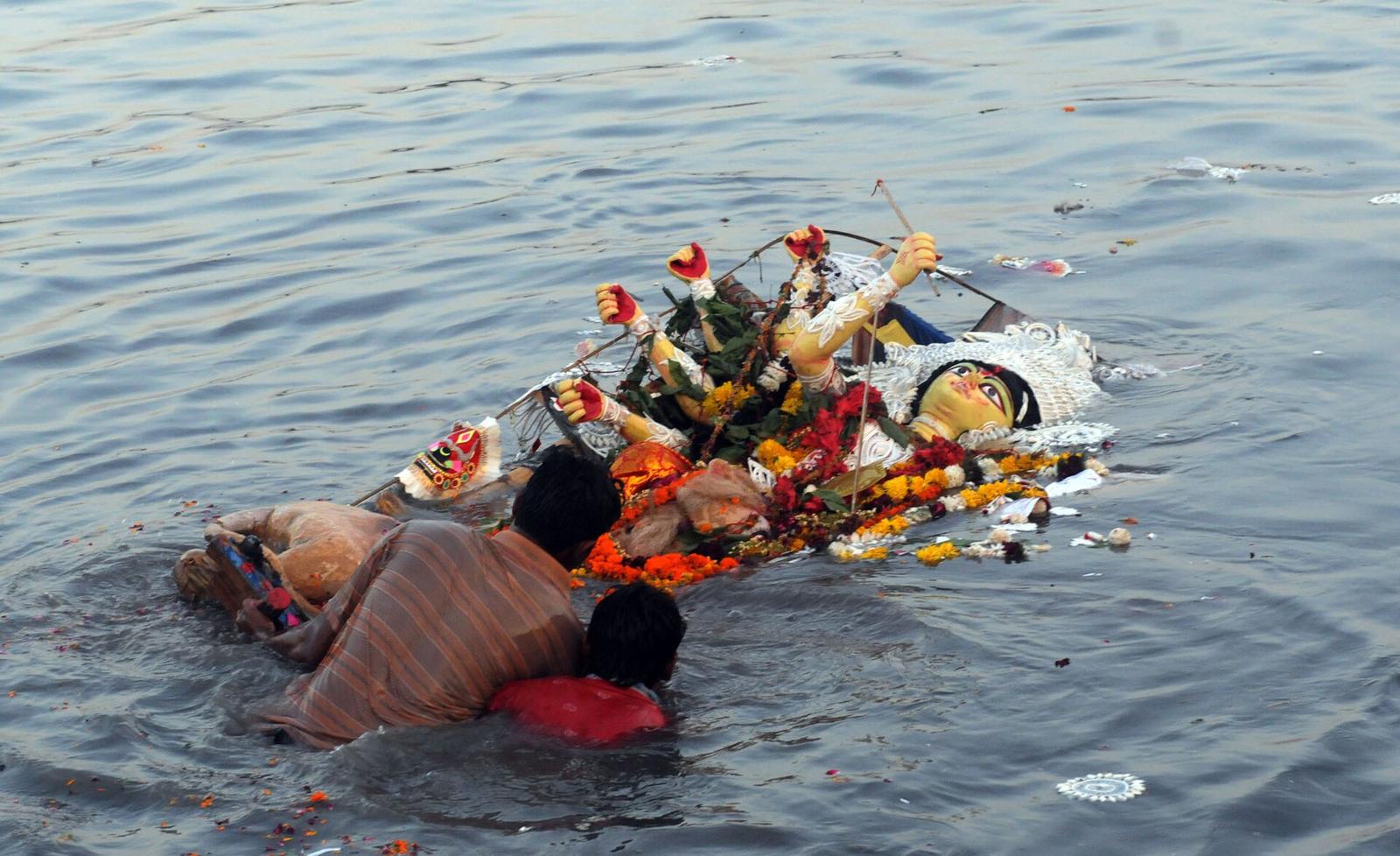
Old Delhi, with its dense historic neighbourhoods, remains a flashpoint where modern infrastructure projects like the ongoing Delhi Metro Phase 4 expansion meet resistance from preservation advocates. Similarly, public debate over pollution controls links deeply with the Yamuna River’s health, a key environmental and cultural artery through the city.
Comparing Delhi’s Response to Global Urban Governance
Unlike some global counterparts that have integrated heritage, environment, and modern transport policies more seamlessly, Delhi faces a more fragmented administrative structure where local and national priorities sometimes clash, delaying coherent policy implementation. The city council’s approach, while reactive to crises such as air pollution spikes, often lacks the synchronised long-term planning seen in other megacities known for robust environmental and heritage frameworks.
Efforts like the Delhi Metro’s expansion illustrate advancement in easing urban mobility but also underscore the challenges of matching infrastructure growth with environmental safeguards. Similarly, the Yamuna cleanup has suffered from political disputes over jurisdiction and responsibility, creating a slower response timetable than similar river rehabilitation projects internationally.
The council’s updates reveal an evolving but pressured governance model that must navigate local demands, federal oversight, and the aspirations of a city caught between tradition and rapid modernization.
Going forward, Delhi’s municipal authorities face the critical task of harmonising heritage preservation with sustainable urban growth. Practical steps may involve fostering stronger cooperation between city and central governments, enhancing community engagement in planning, and adopting integrated environmental policies. Success will depend less on isolated initiatives and more on continuous, coordinated governance tailored to Delhi’s unique urban fabric and socio-political realities.