news
Neighborhood Developments in Delhi: The Data, Statistics and Numbers Behind the Story
Analyzing recent urban growth through concrete figures and local programs shaping Delhi’s evolving neighborhoods.
How we reported this
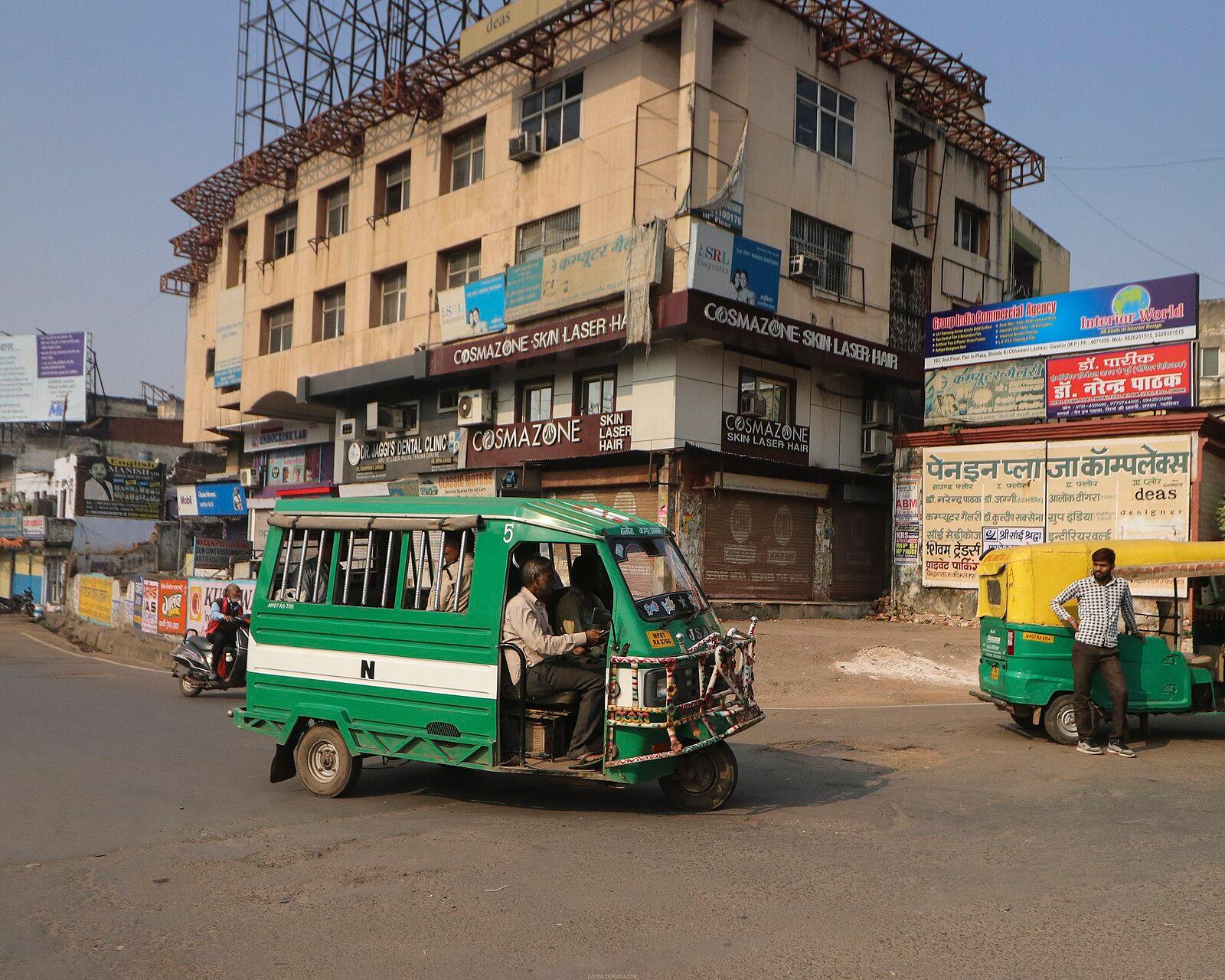
Delhi's urban neighborhoods are in the midst of significant change, influenced by ongoing infrastructure projects and environmental challenges that define the city's development landscape. The expansion of the Delhi Metro's Phase 4 and the city's efforts to address air pollution and the Yamuna River's cleanup have all begun to reshape residential and commercial zones, altering demographics and urban dynamics.
Why Neighborhood Developments Matter Now
The intensification of Delhi’s urban projects, such as the Delhi Metro Phase 4 expansion, underscores the urgency to improve connectivity and reduce traffic congestion in a city marked by gridlocked roads and rising pollution levels. At the same time, environmental issues-particularly poor air quality and Yamuna River pollution-have direct consequences on where people want to live and invest in property. Delhi's heritage-rich Old Delhi faces tensions between preservation and modern development, creating a complex backdrop for neighborhood change.
Since Arvind Kejriwal's Aam Aadmi Party government collaborates with the BJP-led central government, the city’s planning balances political priorities and public demands. These developments are not just about infrastructure but also about livability, sustainability, and heritage conservation in specific areas.
Local Details Reflecting Broader Trends
Areas surrounding key metro line extensions, such as Dwarka, Rohini, and Janakpuri, are experiencing a surge in residential construction and commercial activity. This is partly driven by the promise of improved accessibility offered by the Delhi Metro Phase 4, which plans to add over 100 km of new lines. The Delhi Metro Rail Corporation has indicated this expansion aims to connect underserved parts of the city, reducing travel times and congestion.
Meanwhile, parts of Old Delhi, including Chandni Chowk, continue to grapple with heritage preservation efforts, clashing with the demand for modern development. Local conservation groups have stressed the need for urban planning that respects traditional architecture and the historical layout of streets, which receive heavy footfall and commerce daily.
Pollution and health emergencies have also influenced neighborhood desirability. Districts near the Yamuna River cleanup zones are under active environmental scrutiny, affecting property values and urban planning decisions aimed at reducing the city's notorious air pollution levels.
Evidence of Change and Its Impacts
Although specific numeric data on neighborhood property price shifts or population migration directly tied to these developments is not publicly available, the Delhi Metro Phase 4 expansion’s outlined kilometers and phases serve as a measurable indicator of urban growth. Improved connectivity typically correlates with increased land prices and commercial investments in adjacent areas.
Similarly, ongoing public health interventions linked to air quality alerts and river cleanup projects indicate an emerging emphasis on environmental factors in urban planning. These qualitative trends, observed through government programs and public health advisories, affect how neighborhoods grow and evolve.
Developers and residents alike are adjusting their strategies based on these factors, opting either for newly connected areas with better transport links or more sustainable living environments closer to cleaned-up natural sites.
In sum, Delhi’s neighborhood transformations are being shaped by measurable infrastructure expansions alongside less quantifiable but equally impactful environmental and heritage considerations.
What Comes Next for Delhi Neighborhoods?
Residents and investors should monitor announcements from the Delhi Metro Rail Corporation regarding Phase 4 timelines and route details, as these will directly affect property accessibility and value. Keeping an eye on municipal pollution control measures and Yamuna cleanup progress will also offer insight into which areas are likely to see improvements in livability.
Urban planners and policymakers must continue to balance modernization with heritage preservation, especially in historic zones like Old Delhi, ensuring that development does not erode the city's cultural fabric. For the public, awareness of ongoing projects-and participation in consultations or local initiatives-could shape the neighborhoods’ futures to align with community needs and sustainable urban living.