news
Delhi Officials and Experts Chart Path Through Urban Growth Challenges
Amid ongoing urban pressures, local authorities and experts discuss the future trajectory of Delhi’s residential and commercial growth.
How we reported this
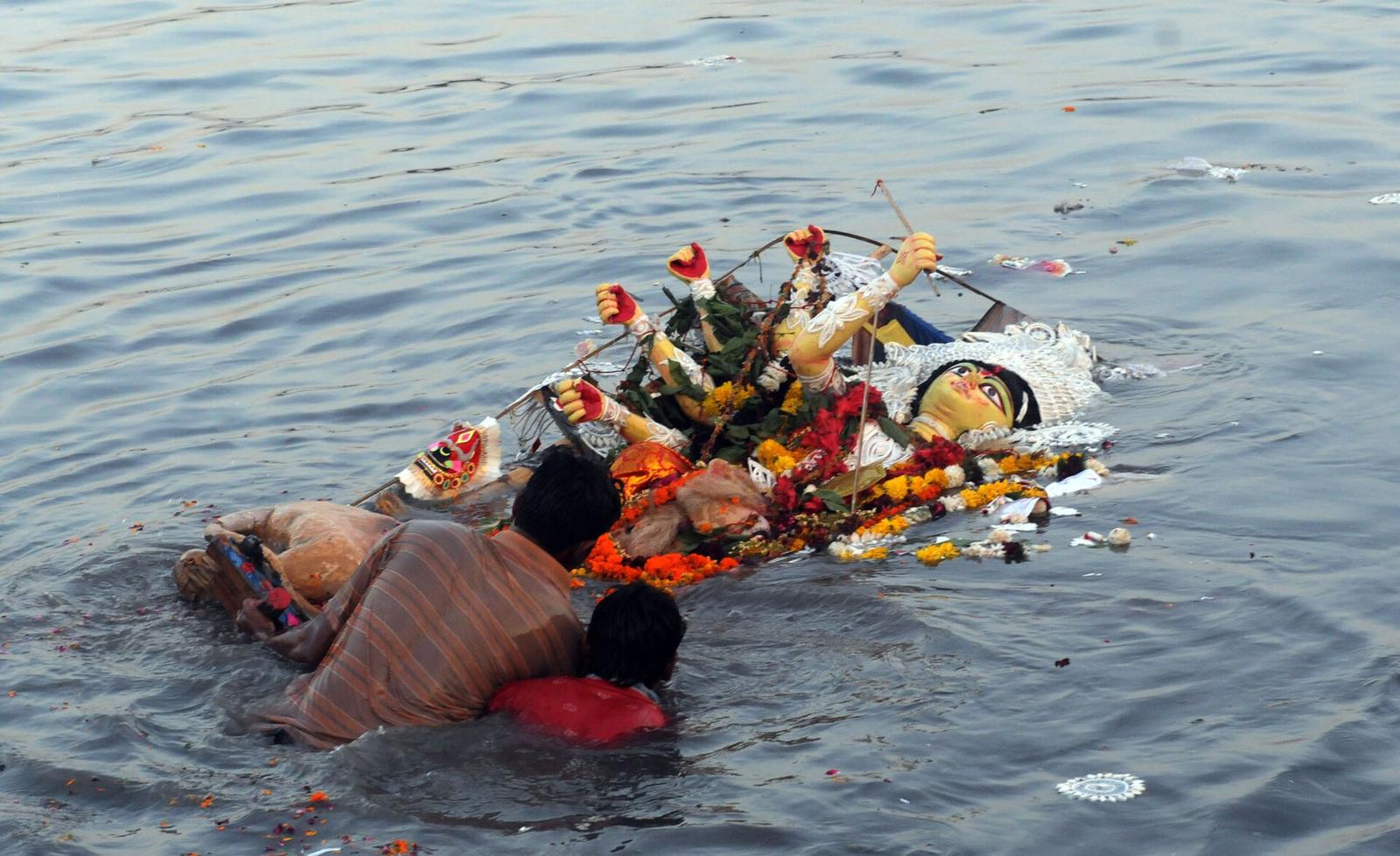
Delhi’s neighborhoods are facing rapid changes, provoking diverse reactions from city officials, urban planners, and community leaders. While expansion projects continue apace, voices from various sectors emphasize the need to balance development with heritage preservation, environmental sustainability, and infrastructure upgrades.
Heightened Focus on Neighborhood Growth as City Expands
The conversation around Delhi’s urban sprawl has intensified in recent months, driven by the push to extend the city’s infrastructure, including the Metro Phase 4 expansion and efforts around the Yamuna River cleanup. These initiatives, aimed at easing congestion and reviving the river’s ecological health, have direct implications for neighborhoods both old and new.
City officials underscore the importance of integrating these projects thoughtfully. A senior urban planner involved with the Delhi Development Authority (DDA) highlighted the challenge: "Development cannot come at the cost of Old Delhi’s heritage, where narrow lanes and historic structures coexist with growing population demands." Meanwhile, environmental experts stress that projects around the Yamuna must prioritize long-term river restoration over short-term urban convenience.
Balancing Modernization with Heritage and Environment
Residents in historic neighborhoods such as Chandni Chowk express concerns about the impact of modernization. Community leaders argue that while infrastructure improvements like improved water supply and sanitation are urgently needed, large-scale commercial developments risk eroding the cultural fabric that attracts tourists and sustains local businesses.
Experts also point out that air pollution remains a critical issue, especially during summer months when Delhi sees frequent air quality emergencies. Urban health specialists warn that any new construction without stringent pollution controls and green buffers could worsen this trend, undermining other government efforts to curb toxic smog.
To address these intertwined challenges, joint committees including representatives from the Aam Aadmi Party government and the central BJP administration have convened regularly. They aim to align Metro expansion plans with environmental goals and heritage conservation guidelines-a delicate balancing act requiring transparent dialogue and adaptive regulations.
While concrete statistics on neighborhood redevelopment impacts remain sparse, broad anecdotal evidence from municipal meetings and public consultations points to a growing demand for development that respects both Delhi’s history and its environment.
For Delhi’s residents and prospective investors, this means keeping a close eye on ongoing policy announcements and urban planning consultations. Stakeholders are urged to engage actively, ensuring that future projects not only expand infrastructure but also enhance daily living conditions without sacrificing the city's unique cultural identity.