news
Voices from Delhi’s Neighborhoods Amid Rapid Development
Community members share their perspectives as urban projects reshape parts of the capital’s landscape.
How we reported this
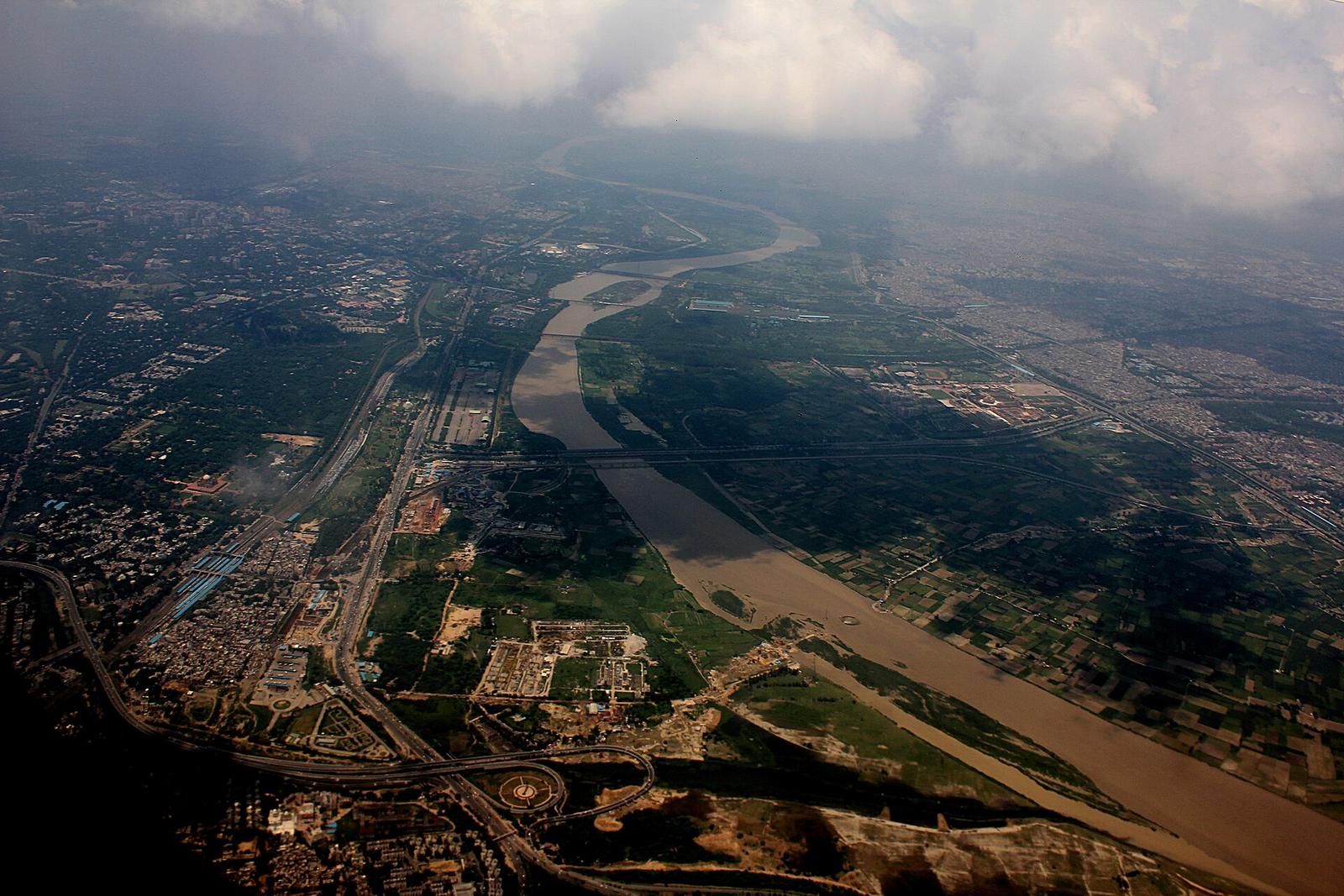
As Delhi undergoes a wave of neighborhood developments, residents in areas adjacent to major expansion projects are feeling the tangible effects on daily life and local identity. With authorities pushing forward initiatives like the Delhi Metro Phase 4 extension and ongoing debates around heritage conservation in Old Delhi, voices from affected communities reveal a complex mix of hopes and concerns.
On the Ground: Changes and Challenges
In neighborhoods close to the Yamuna River cleanup efforts and metro expansion routes, long-time residents are encountering disruption alongside promise. While city officials emphasize infrastructure upgrades and environmental improvement, individuals living near construction zones report facing inconvenience and uncertainty. Despite the Delhi Metro’s Phase 4 plan aiming to improve connectivity throughout the capital, impacted communities note challenges related to noise, traffic diversions, and temporary loss of access to local markets.
The tension between preserving the historic character of Old Delhi and modernizing its infrastructure remains a focal issue. Cultural landmarks, narrow lanes, and centuries-old homes in this area embody Delhi’s heritage, but pressure from real estate development and urban renewal schemes presents a threat. Community members express apprehension about potential displacement or alteration of the neighborhood’s unique social fabric.
Community Perspectives on Urban Development
Residents' views on these changes are nuanced. Some see the expanded metro lines and cleaner Yamuna River as potential boosters for quality of life and property values. However, unease persists regarding the management of construction activities and whether community voices are adequately included in planning decisions. The political backdrop-with the Aam Aadmi Party-led Delhi government emphasizing environmental initiatives and the BJP central government advocating infrastructure growth-adds complexity to local sentiments.
While no recent official statistics or price changes specific to these neighborhoods have been publicly detailed, the qualitative feedback from community members underscores a sense of disruption amid anticipation for improved urban infrastructure. The balancing act between development and conservation is playing out not just in policy halls but in the lived experiences of Delhi’s diverse residents.
Looking ahead, community engagement initiatives may offer pathways for dialogue between planners and residents. Authorities encouraging transparent communication, timely updates on construction schedules, and inclusion of locals’ concerns could help ease tensions. For now, those impacted continue to navigate the evolving landscape of their neighborhoods as Delhi’s urban fabric adapts to rapid growth and change.