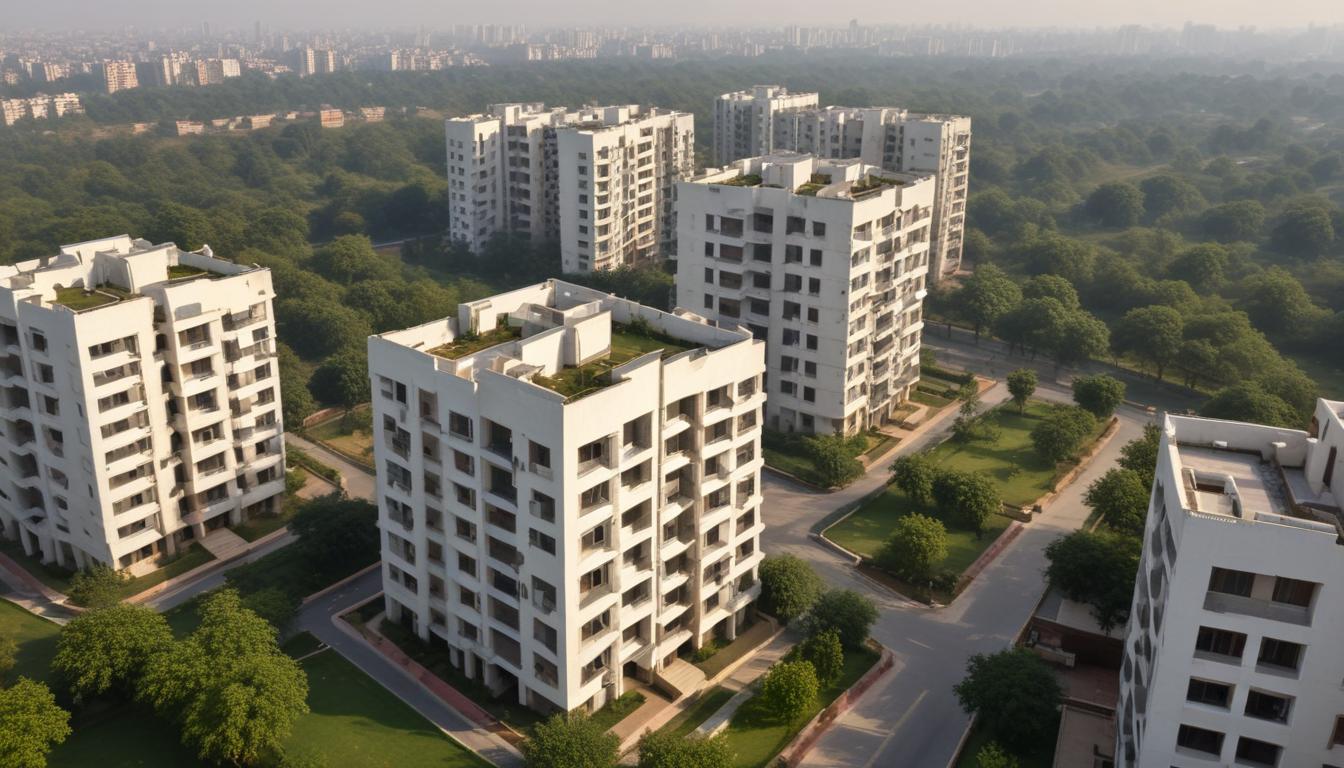
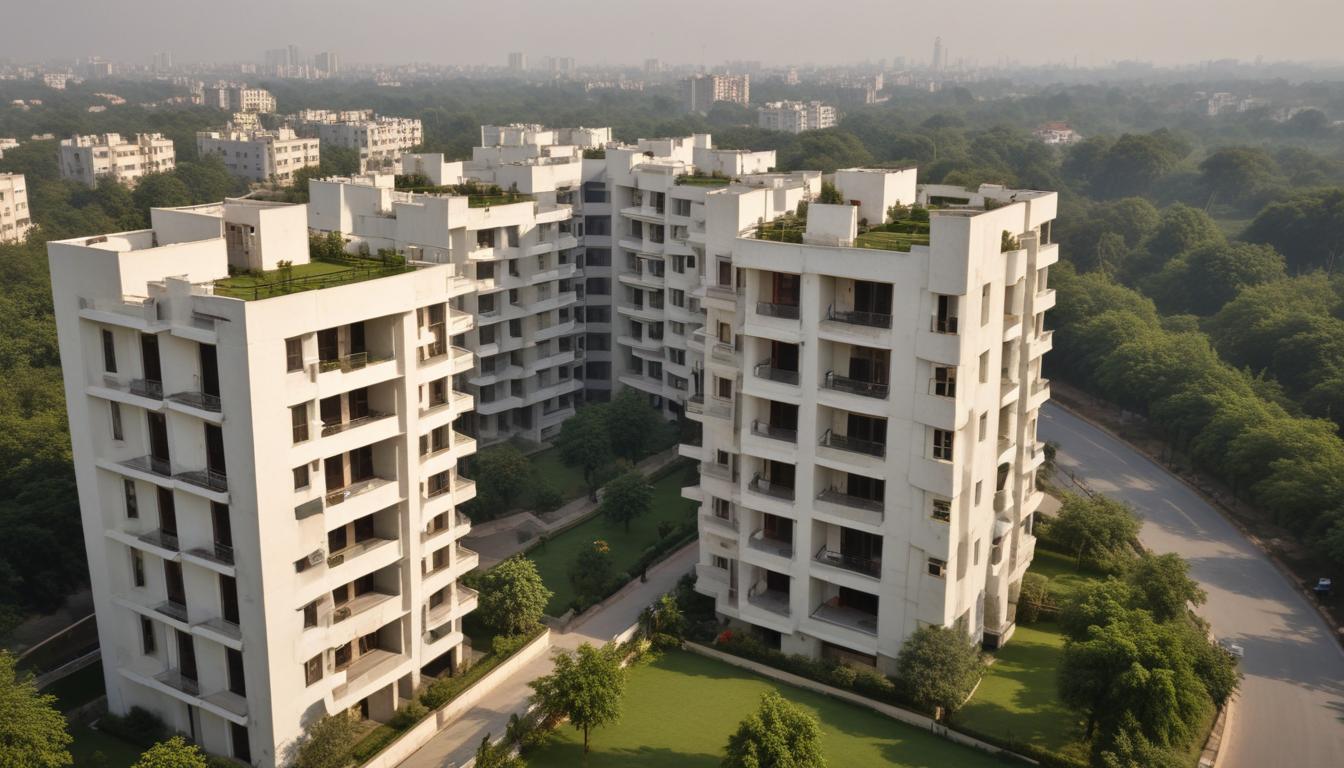
Delhi's rental market is experiencing a structural shift driven by evolving planning policies, with vacancy rates now reflecting a sharp geographic divide between regulated and deregulated zones. Recent amendments to the Master Plan 2021 and stricter enforcement of residential-only classifications are directly reshaping where tenants can find homes—and at what price.
The shift is most visible in South Delhi's premium enclaves. Neighbourhoods like Defence Colony and Greater Kailash, traditionally commanding rental premiums of ₹60,000–₹100,000 monthly for three-bedroom apartments, are experiencing unexpected inventory tightness. The reason: new clarity on mixed-use permissions has forced many landlords holding converted commercial or semi-commercial spaces to either regularise or withdraw units from the rental market. This policy enforcement has effectively shrunk available stock by an estimated 8–12% in these sought-after pockets, even as baseline Delhi rental rates hover around ₹8,000 per square foot for purchase-equivalent valuations.
By contrast, NCR growth corridors are absorbing displaced demand. Gurgaon's proximity to employment hubs and relaxed conversion policies have made areas along the metro corridors—particularly near MG Road and Cyber City—increasingly competitive. Landlords here report declining vacancy windows, with properties staying off the market for shorter periods. DLF's ongoing residential developments in sectors 81–83 have also triggered a rental demand wave, with three-year leases now preferred over shorter terms as corporates establish longer-term footprints.
A critical policy driver emerged earlier this year when Delhi's Municipal Corporation clarified enforcement on unauthorised use of residential premises for commercial purposes. The order, targeting home offices and co-working setups in residential colonies, prompted many landlords in Connaught Place-adjacent areas to reconsider rental availability for flexible-working tenants. Simultaneously, the Delhi Development Authority's revised rental housing policy for affordable segments under the Housing for All scheme has created new inventory in areas like Dwarka and Rohini, effectively fragmenting the unified rental market into distinct policy zones.
For tenants, the implications are clear: South Delhi premiums will likely stabilise higher despite tighter supply, while flexibility-seeking professionals should look toward metro-accessible NCR locations and emerging Delhi zones benefiting from affordable housing mandates. Landlords, meanwhile, face a choice—comply with stricter zoning or absorb regulatory costs. Either way, the old model of uniform rental dynamics across the capital is now obsolete. Policy, not just demand, is pricing the market.
This article was compiled by AI from the sources linked above and screened before publishing. See our editorial standards.