First-Time Landlord? Your Guide to Investment Property Yields in Delhi's Competitive Market
As Delhi's rental yields compress and regulation tightens, new investors need a clearer roadmap to navigate location, financing, and tenant management.
As Delhi's rental yields compress and regulation tightens, new investors need a clearer roadmap to navigate location, financing, and tenant management.
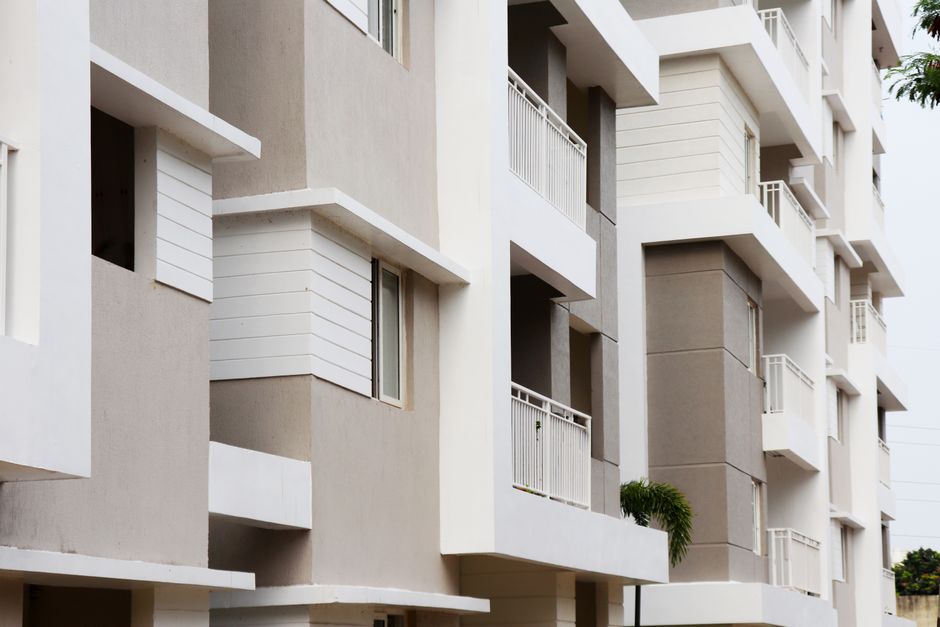
Delhi's property investment landscape has shifted. While headlines celebrate record land sales and speculative gains, first-time landlords face a harder reality: rental yields averaging 2.5–3.5% across most central neighbourhoods, coupled with stricter tenant laws and rising maintenance costs. For newcomers, the question isn't whether to invest, but where and how to secure meaningful returns.
Start with location strategy. South Delhi—Defence Colony, Greater Kailash, Vasant Kunj—commands premium rents (₹60–80 per sqft monthly) but requires capital of ₹1.2–1.8 crore for a modest 2BHK. Yields here hover near 2.8%, offset by rental stability and tenant quality. The real opportunity lies in emerging corridors. Properties along the Delhi Metro's recently extended lines—particularly in East Delhi clusters like Preet Vihar and Karkardooma—offer yields of 3.5–4.2% on ₹50–65 lakh investments. Similarly, Gurgaon's proximity to corporate hubs (DLF Cyber City, Golf Course Road) generates steady 3–4% returns, though NCR regulation remains fragmented.
Before committing capital, audit your financing. Most first-timers assume 80% bank financing, but lenders increasingly scrutinise rental income projections. Conservative calculations matter: if you're buying at ₹8,000 per sqft (Delhi's current average), expect rents of ₹50–60 per sqft in mid-tier areas. That ₹50 lakh property yields roughly ₹30,000 monthly—less appeal once taxes, society maintenance (₹3,000–5,000 monthly), property tax, and repairs are factored in.
Tenant management is non-negotiable. Delhi's Tenancy Act favours occupants; eviction can take 18–24 months. Use registered agreements, collect deposits covering four months' rent, and screen tenants rigorously. Many seasoned investors work with property management firms (costs: 8–10% of rental income) to handle compliance and collection—a worthwhile expense for first-timers.
Consider co-investment or REITs as alternatives. Blackstone's rental properties near Aerocity or DLF's residential projects offer professional management and 4–5% returns with lower personal headache. For traditional purchases, timing matters less than discipline: avoid overleveraging, diversify across two micro-markets rather than concentrating in one, and factor in 15–20% capital appreciation annually as bonus, not baseline expectation.
The Delhi market rewards informed patience, not speculation. Today's first-time investor should expect 3–4% yields, stability over growth, and a 10-year hold minimum. That's realistic in 2026.
This article was compiled by AI from the sources linked above and screened before publishing. See our editorial standards.
How does this story make you feel?
Spread the word
About this article
Published by The Daily Delhi
Daily brief
Free, in your inbox before 7am. Weekdays.
More in Property