Gurgaon's Discretionary Mile: What's Really Driving Prices in India's Fastest-Shifting Suburb
Metro connectivity, corporate relocation and spec buying are reshaping the NCR periphery—here's what informed buyers need to watch.
Metro connectivity, corporate relocation and spec buying are reshaping the NCR periphery—here's what informed buyers need to watch.
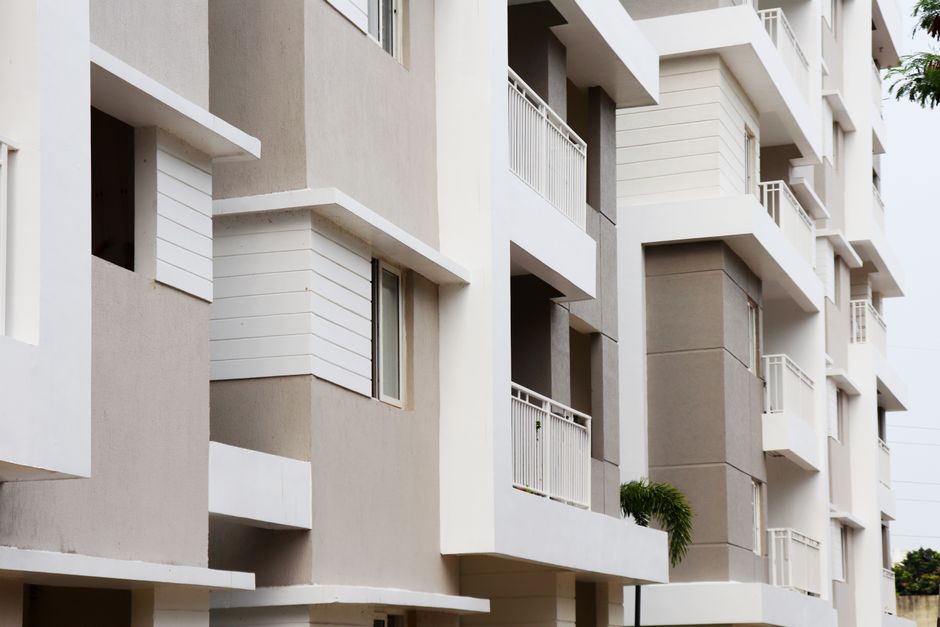
Gurgaon's property landscape is moving faster than its traffic. While South Delhi remains anchored by heritage cachet and Delhi's central-location premium—hovering around ₹8,000–₹12,000 per square foot—Gurgaon and Noida are rewriting the investment playbook entirely. And for buyers watching the market now, understanding what's driving these shifts isn't optional.
The headline story is straightforward: metro corridors. The extension of the Delhi Metro's Blue Line toward Gurgaon, coupled with the planned expansion toward Noida's peripheral townships, is acting as a price-lift multiplier. Property within walking distance of proposed stations in sectors like 89A and 92 has seen appreciation of 18–22 per cent year-on-year, a pace that dwarfs the city's 6–8 per cent average. For investors, the lesson is immediate: connectivity isn't coming—it's already being priced in by those who read the transport ministry's blueprints.
The second factor reshaping valuations is corporate footfall. The relocation of mid-cap and startup offices from cramped Connaught Place and Cyber Hub toward Gurgaon's new Special Economic Zones is creating a secondary wave of residential demand. Young professionals and multinational employees are no longer willing to endure two-hour commutes; they're buying one-bedroom flats in accessible Gurgaon neighbourhoods at ₹60–₹75 lakh, rather than chasing the South Delhi trophy asset. This has fragmented the market. Premium sectors around Golf Course Road still command ₹15,000+ per square foot, but parallel neighbourhoods like Sector 57 and Sector 69 are emerging as calibrated value plays.
The third—and most volatile—driver is spec buying. DLF's latest residential launches in Gurgaon are attracting non-resident investors from Mumbai and Bangalore, treating Delhi's NCR as a portfolio hedge rather than a home. This has inflated land values in buffer zones and peripheral townships, where raw land sold at ₹2 crore per acre two years ago now moves at ₹3.5 crore. Seasoned investors should watch this carefully: spec bubbles are real, and they deflate quickly when interest rates rise or corporate relocations stall.
For buyers entering the market now, the calculus is clear. Stick to established metro corridors if you're buying primary residence. Treat spec-driven periphery purchases as 7–10 year holds, not quick flips. And resist the siren call of South Delhi premium unless you're anchored to the city long-term; that premium isn't disappearing, but it's slowing.
The question for the second half of 2026 isn't whether Gurgaon will keep climbing. It's which neighbourhoods will climb fastest—and which buyers will be left holding overpriced land when the spec cycle turns.
This article was compiled by AI from the sources linked above and screened before publishing. See our editorial standards.
How does this story make you feel?
Spread the word
About this article
Published by The Daily Delhi
Daily brief
Free, in your inbox before 7am. Weekdays.
More in Property


