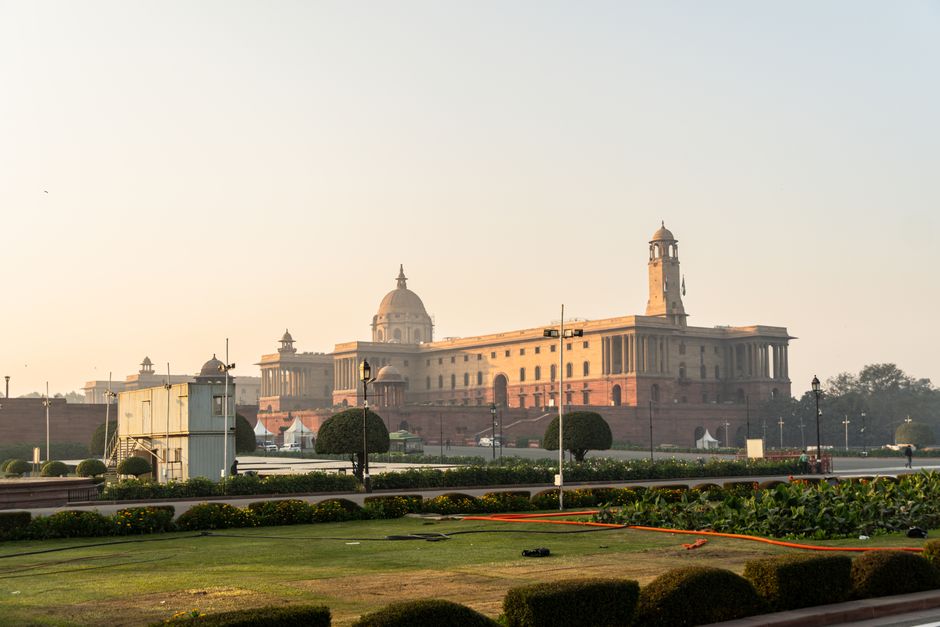
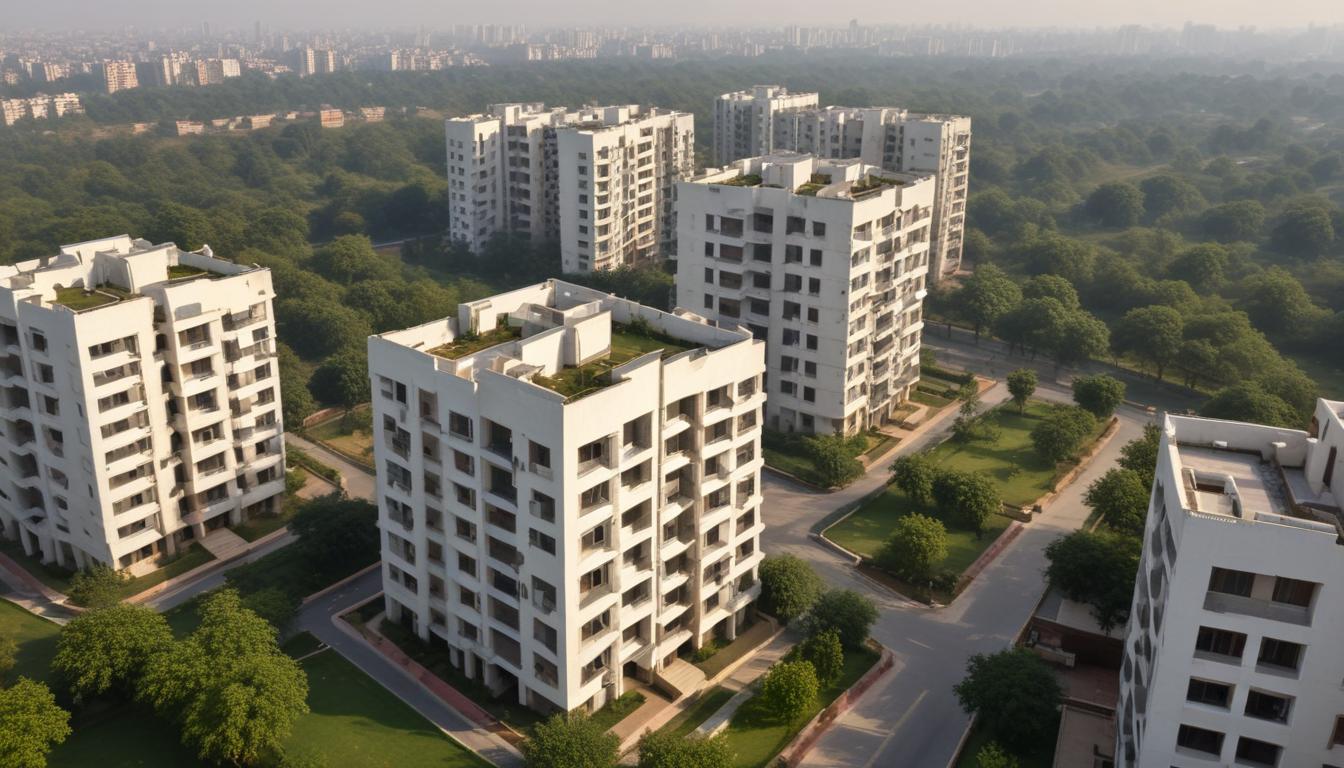
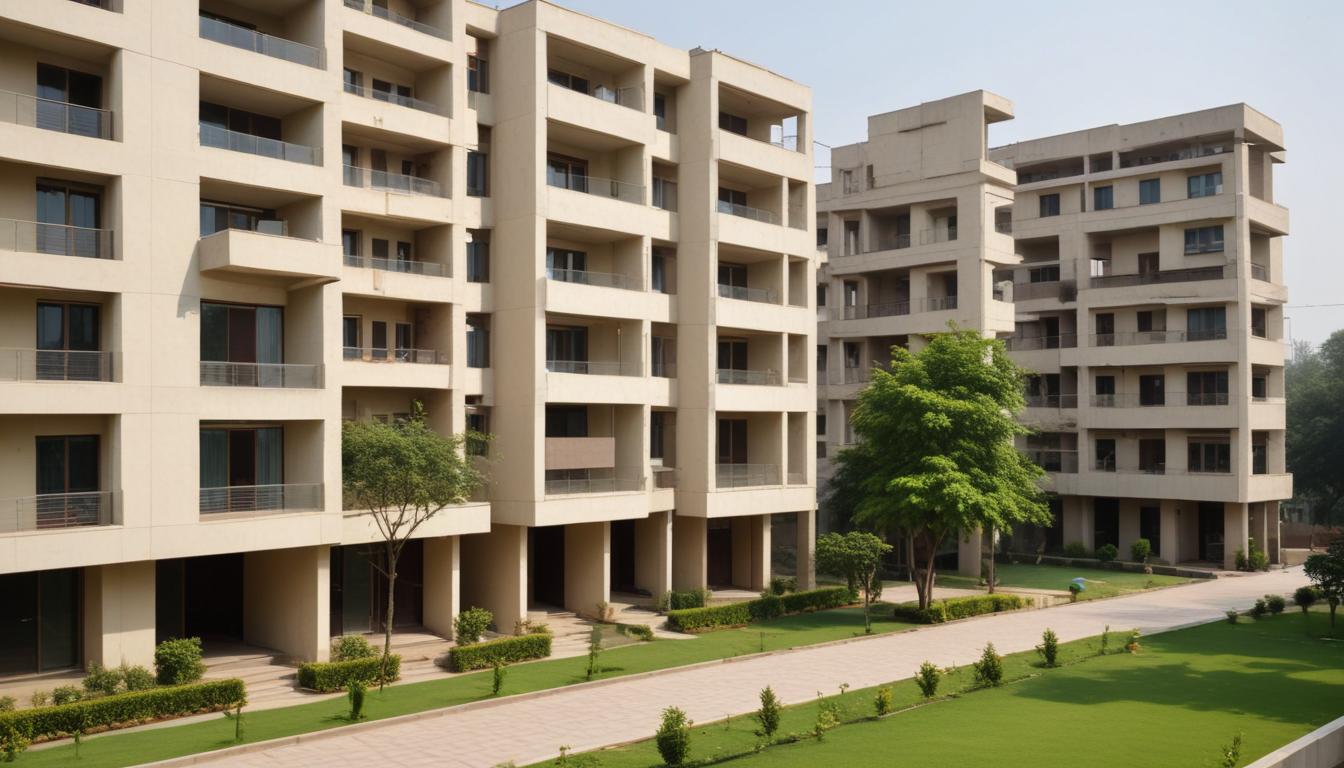
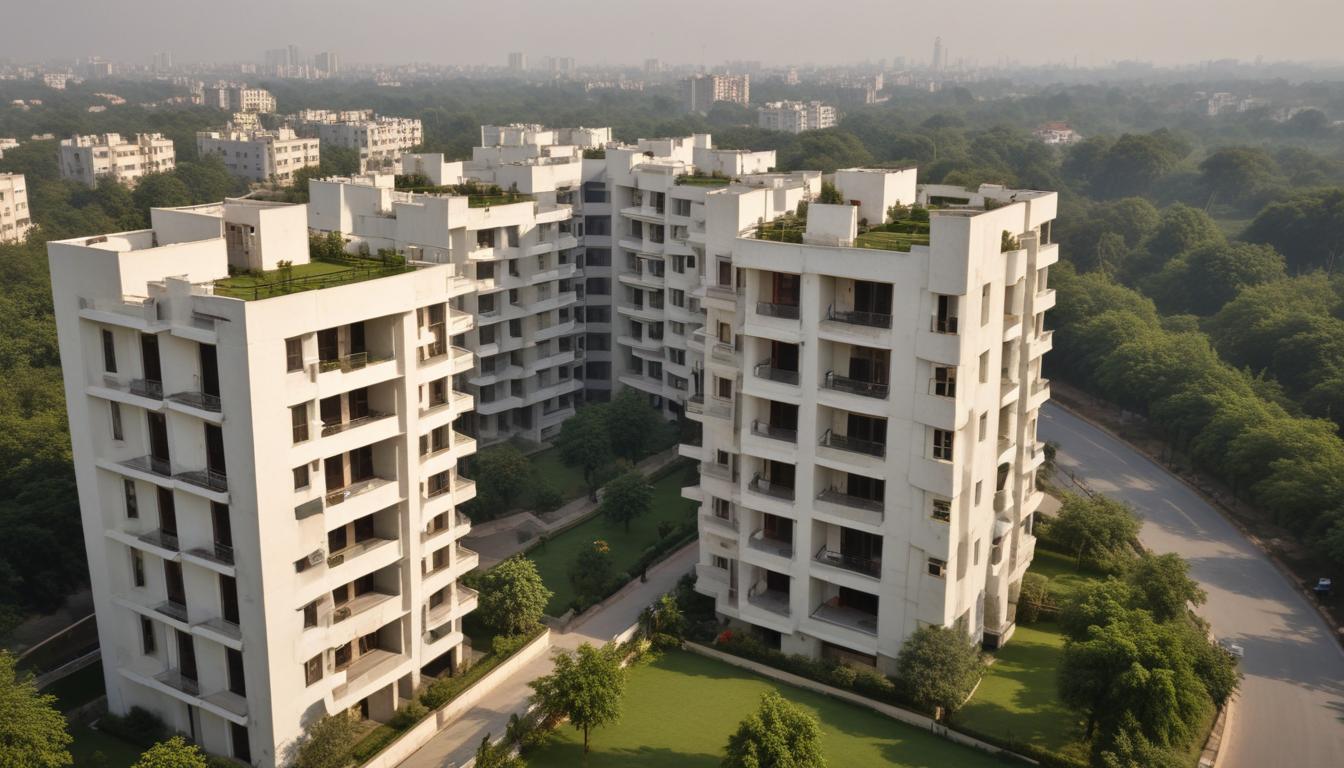
Delhi's luxury property market is experiencing unprecedented momentum. Properties in Aurangzeb Road, Golf Links, and the newly coveted Aravalli neighbourhood are commanding upwards of INR 1.5 crore per 100 square metres—nearly 190 times the city average—signalling a market fundamentally decoupled from mainstream pricing.
Three interlocking forces are fuelling this surge. First, metro infrastructure completion has triggered a cascade effect: the Delhi Airport Metro Express and ongoing Blue Line extensions have made premium pockets like Vasant Kunj and Chhatarpur accessible without sacrificing exclusivity. Property valuations in these corridors have jumped 22-25% year-on-year since 2024.
Second, multinational corporate headquarters are consolidating in Delhi's financial belt. Tech giants and financial services firms are establishing regional hubs in DLF Cyber City and Embassy Tech Village in Gurgaon, pushing senior executives and entrepreneurs into premium Delhi neighbourhoods. Realtors report 40% of luxury inquiries now originate from non-resident Indians and overseas investors seeking portfolio diversification.
Third, regulatory clarity around the Real Estate Regulation Act has restored institutional confidence. Banks are now offering 50-60% loan-to-value ratios on properties above INR 2 crore, versus reluctance three years ago.
But today's buyers face critical blind spots. While aggregate prices have climbed, transaction velocity has slowed—average sale cycles now stretch 18-24 months in ultra-premium segments, compared to 8-12 months in mid-range. This liquidity risk is rarely discussed openly. Second, GST classification on luxury purchases remains contested; unexpected tax bills have blindsided several buyers in the INR 5+ crore bracket. Third, climate vulnerability studies show premium South Delhi properties—particularly near Ridge Forest areas—face long-term water scarcity and heat stress concerns that property disclosures frequently omit.
For prospective purchasers, the message is clear: aggregate wealth and location prestige alone no longer guarantee value. Conduct independent environmental and infrastructure audits. Scrutinise builder timelines; several premium projects in Sector 102, Gurgaon have experienced 18-month delays, eroding investor confidence. Engage tax advisors before negotiation; the difference between registered and notional values can trigger compliance issues.
The Delhi luxury market remains robust, but it is maturing. Prices reflect scarcity and aspiration—not always fundamentals. Buyers operating at this altitude must see beyond glamour and into granular risk.
This article was compiled by AI from the sources linked above and screened before publishing. See our editorial standards.