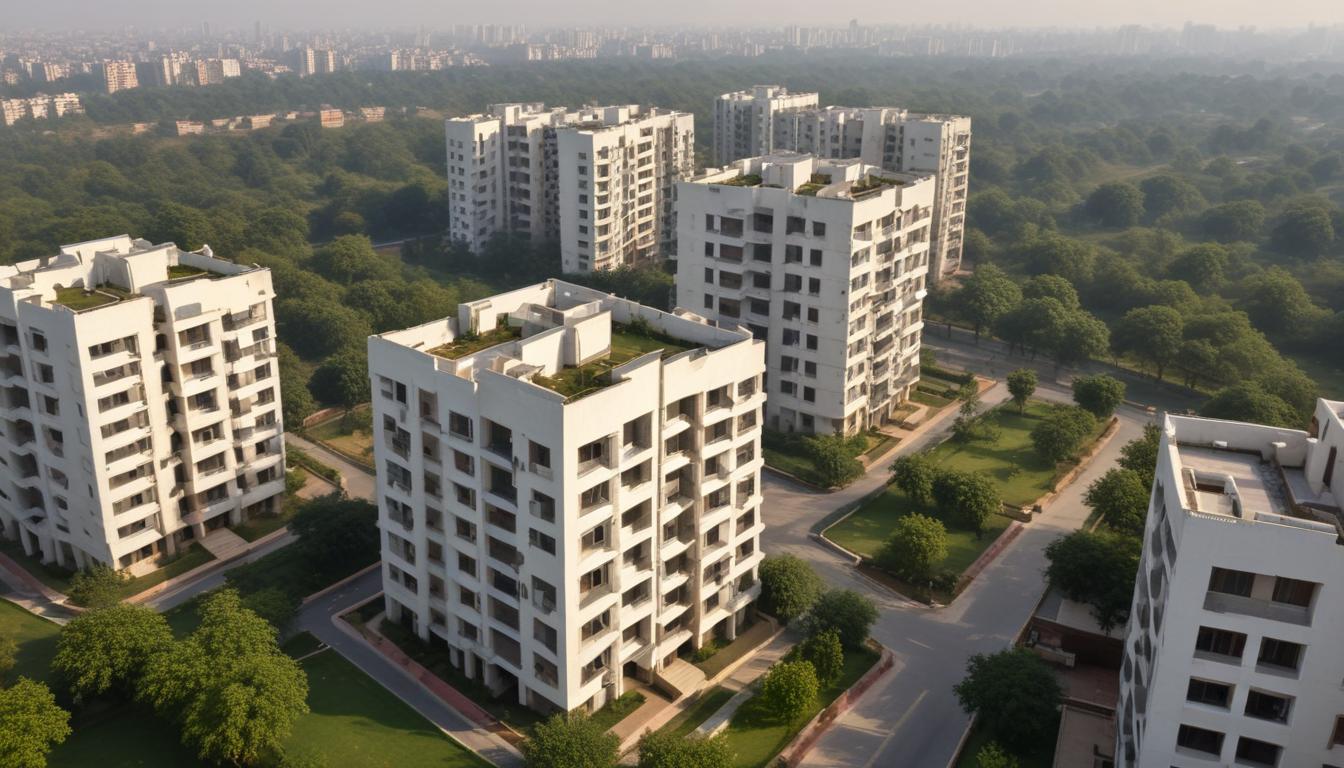
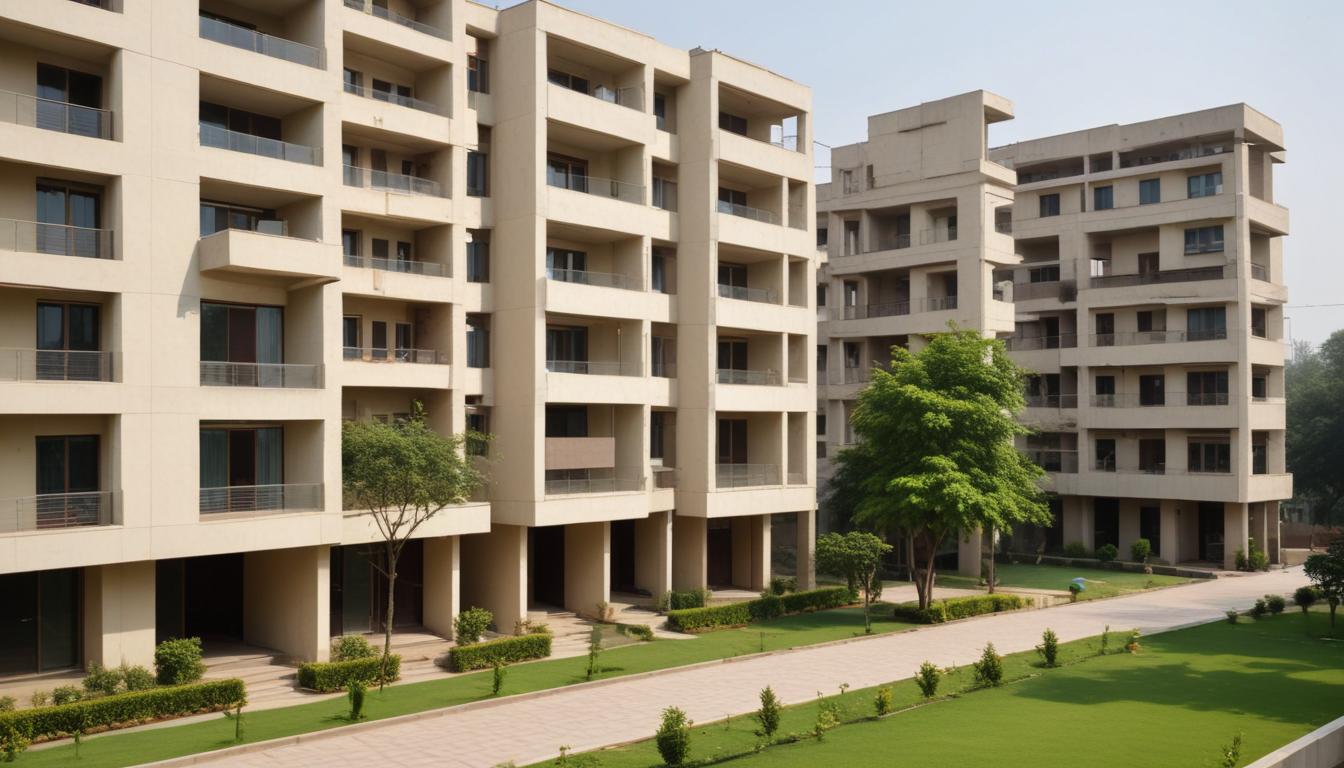
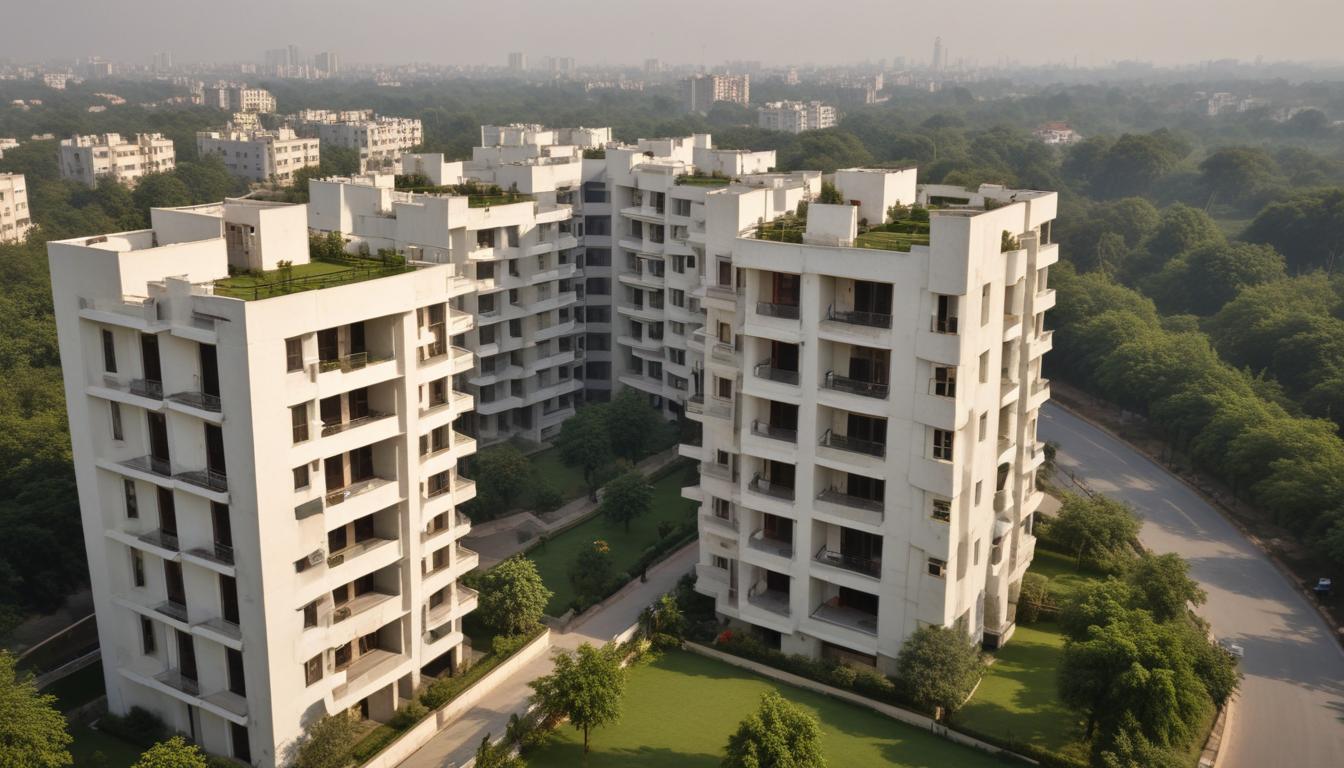
For nearly two decades, South Delhi's gleaming high-rises and leafy colonies commanded Delhi's property spotlight. But in 2026, the narrative is shifting decisively westward. Dwarka, once dismissed as a satellite township, is rapidly becoming the capital's most compelling affordable housing investment zone—attracting first-time buyers, young professionals, and portfolio investors in unprecedented numbers.
The numbers tell a compelling story. While South Delhi commands an average of ₹12,000–₹15,000 per square foot, Dwarka's comparable properties hover between ₹6,500–₹8,500 per sqft. Yet the value proposition extends far beyond price. The Purple Line Metro extension, completed in 2024, has slashed commute times to central Delhi from 45 minutes to under 25. Sectors 7, 8, and 9—historically undervalued—have witnessed 18–22% appreciation over the past three years, according to property tracking platforms.
Government intervention is catalysing this momentum. The Delhi Development Authority's (DDA) recent affordable housing auction in Dwarka Sector 24 attracted over 47,000 applications for just 2,840 units priced between ₹26 lakh and ₹55 lakh. Meanwhile, the central government's Pradhan Mantri Awas Yojana continues funnelling subsidised loans into the district, making homeownership accessible to households earning under ₹18 lakh annually.
Infrastructure growth is outpacing most of NCR's established suburbs. The Dwarka Expressway, linking to Gurugram, is attracting commercial activity; IT parks and retail zones near Sector 12 are creating local employment. Schools including Delhi Public School Dwarka and Springdales Senior Secondary are anchoring family migration, while the upcoming Dwarka Eco-Village promises green-space-centric living at competitive rates.
Private developers have taken note. Major launches by DLF, Godrej, and Mahindra Lifespaces in peripheral sectors—particularly Sector 16A and Sector 25—blur the line between affordable and mid-segment housing. These projects offer flexible payment plans and RERA-registered transparency, differentiating them from earlier-era Dwarka offerings.
Investors should note the risks. Sector-by-sector infrastructure disparities persist; not all of Dwarka enjoys equal metro proximity. Resale liquidity remains thinner than South Delhi, though buyer demand is accelerating. Flooding during monsoons—historically a Dwarka challenge—has improved but warrants due diligence.
Still, for those seeking capital appreciation with genuine affordability, Dwarka represents Delhi's clearest opportunity. As metro spokes deepen and commercial hubs mature, this once-peripheral suburb is shedding its satellite tag. The investment window, brokers warn, won't remain this wide for long.
This article was compiled by AI from the sources linked above and screened before publishing. See our editorial standards.