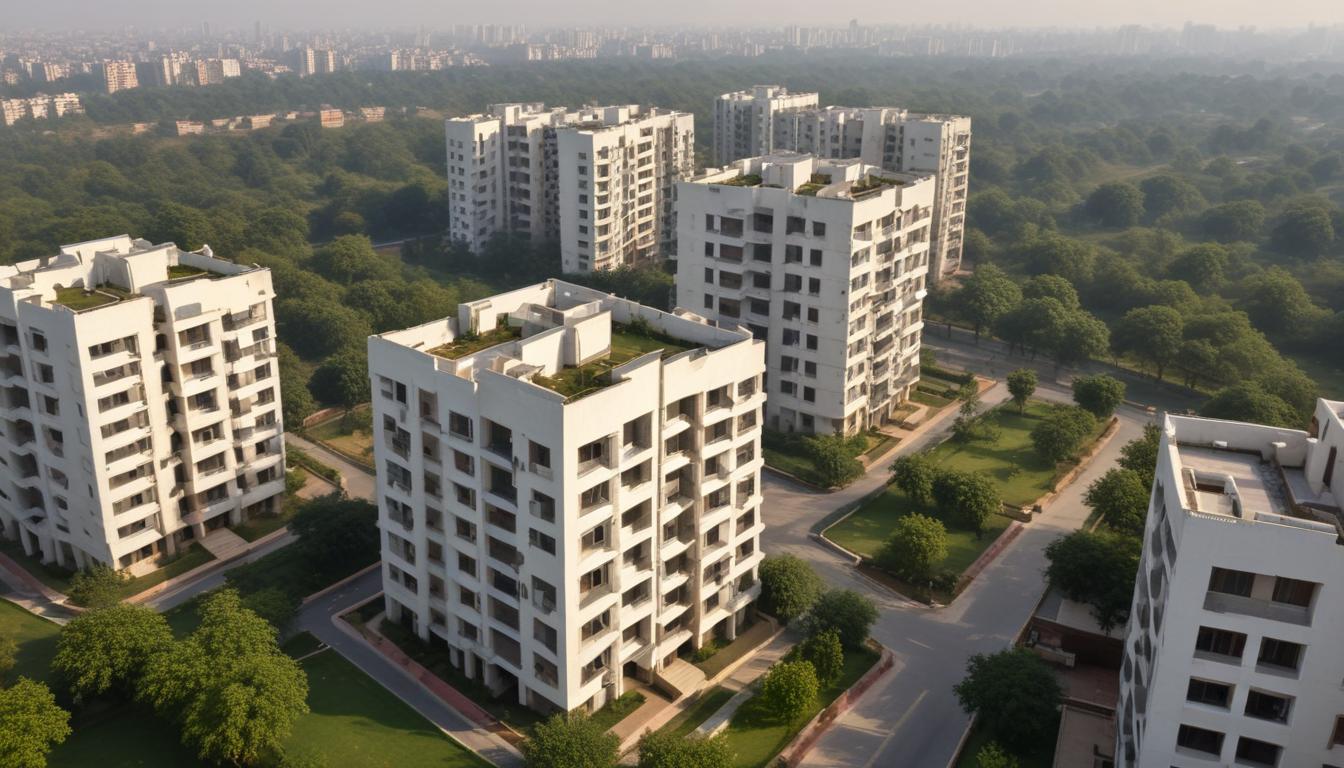
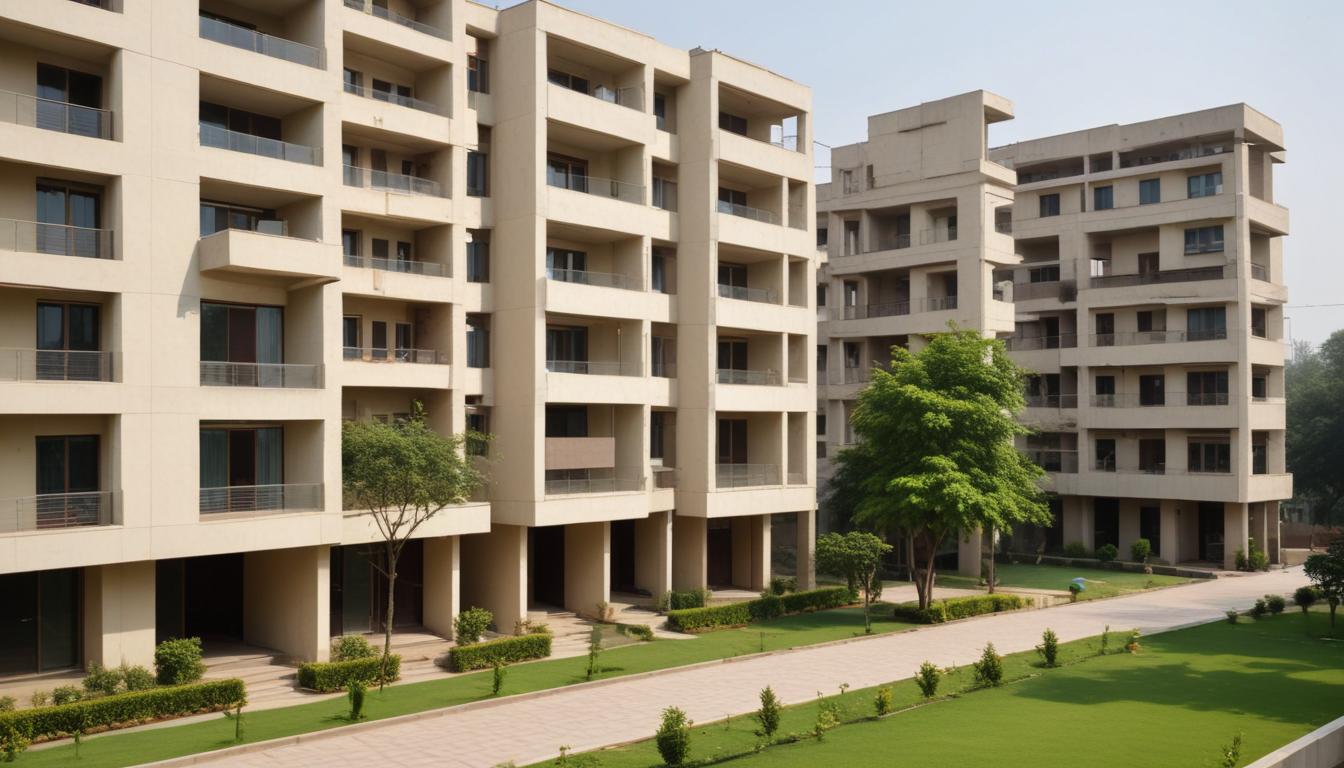
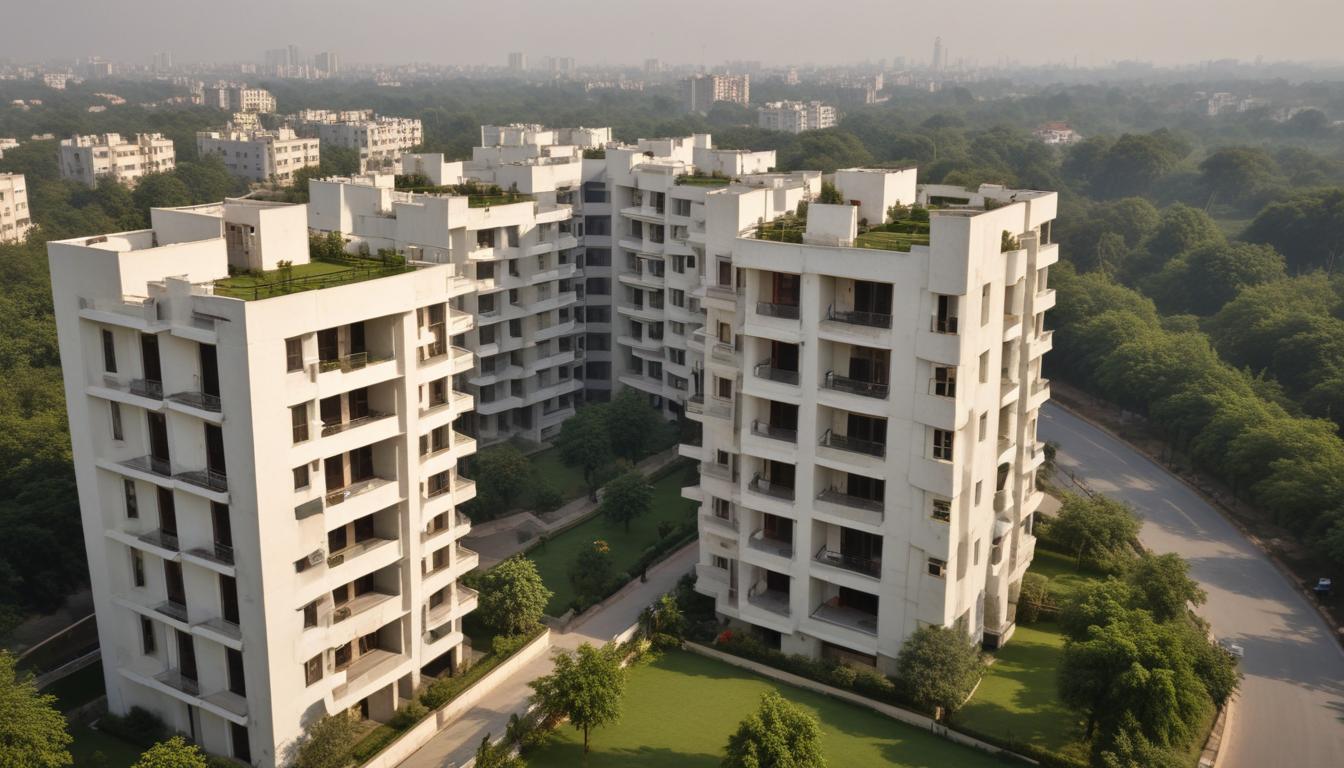
Delhi's first-time buyer market has shifted dramatically. No longer are novice investors blindly chasing prestige addresses. Today's numbers tell a different story: South Delhi premiums are cooling, while Gurgaon's metro-adjacent corridors and emerging Noida clusters are delivering measurable returns.
The data speaks loudly. Properties in Vasant Kunj and Greater Kailash, traditionally commanding ₹12,000–15,000 per sqft, have flatlined. Meanwhile, Dwarka's DLF Phase 5 and Sector 37 in Noida—both benefiting from metro connectivity and recent infrastructure investment—have logged 7–9% annualised yields over the past 18 months. First-time buyers accessing state grants through the PM Awas Yojana and Delhi's own affordable housing schemes are wisely deploying capital here, not in over-valued South Delhi pockets.
The grant advantage is real. Eligible first-time buyers can now access subsidised rates up to ₹50 lakhs through coordinated central and state schemes, effectively reducing their entry cost by 15–20%. However, leverage remains a double-edged sword. Those stretching finances on low-yielding properties—say, a ₹80-lakh purchase in inner Delhi at a stagnant 1–2% appreciation—face negative real returns once maintenance, property tax, and rising interest rates are factored in.
Location arbitrage has emerged as the smart play. A buyer purchasing a 850-sqft flat in Gurgaon's Golf Course Extension Road (₹7,200/sqft, total ₹61 lakhs with grant top-up) has seen 23% cumulative appreciation since 2024. Compare that to a similar unit in Chanakyapuri at ₹13,000/sqft with near-zero movement. The metro corridor effect—particularly the Rapid Metro expansion and upcoming HRTC phases—is reshaping investor calculus entirely.
Banks, too, are recalibrating. Axis Bank and ICICI now offer preferential rates (6.2–6.8% versus 7.2–7.8% for general buyers) to first-timers purchasing in identified growth corridors—effectively signalling where institutional money sees real yield potential. HDFC's internal data suggests average buyer returns cluster around 4–5% annualised in peripheral NCR zones versus 1.2% in stagnant inner-city pockets.
The takeaway for 2026's first-time buyer: grants are enablers, not shortcuts. The real wealth creation lies in disciplined location selection. Avoid the prestige trap. Identify metro corridors. Run the numbers on 10-year holds. Institutions are already positioned—retail buyers who follow institutional capital flows, not heritage addresses, are the ones walking away with genuine investor returns.
This article was compiled by AI from the sources linked above and screened before publishing. See our editorial standards.