Luxury Rental Squeeze: How Delhi's High-End Market Is Reshaping Landlord-Tenant Dynamics
As vacancy rates climb and tenant expectations shift, premium property owners in South Delhi and Gurgaon face a new calculus between rental yield and occupancy.
As vacancy rates climb and tenant expectations shift, premium property owners in South Delhi and Gurgaon face a new calculus between rental yield and occupancy.
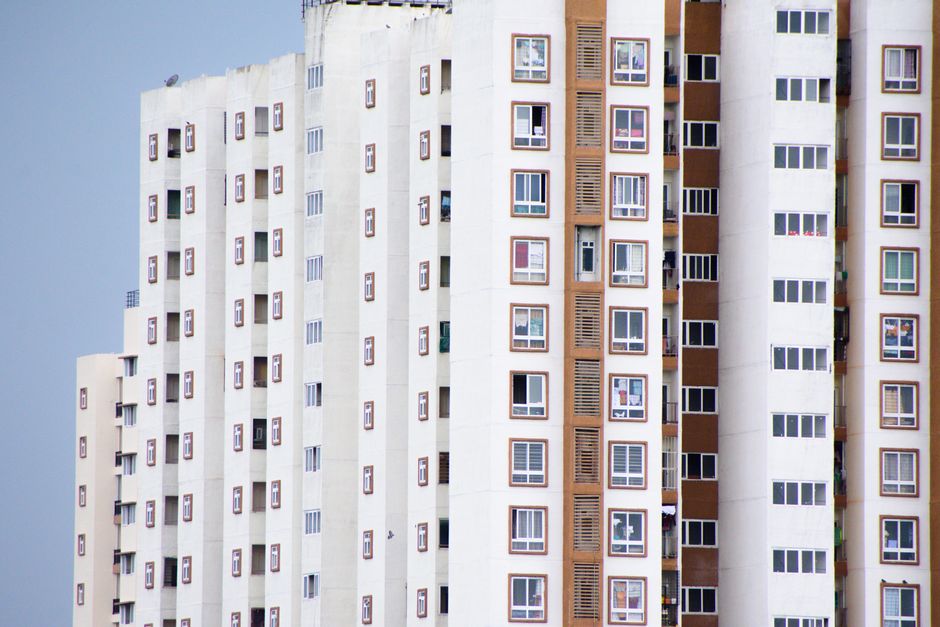
The luxury rental market in Delhi's most coveted postcodes is undergoing a quiet but significant realignment. Property owners who once commanded premium rents in South Delhi's tree-lined enclaves and Gurgaon's glass-fronted towers are now navigating a more competitive landscape, where tenant selectivity and extended vacancy periods have become the new norm.
Data from property consultants tracking the NCR region suggests that high-end residential rentals—particularly in neighbourhoods like Defence Colony, Sundar Nagar, and Golf Course Road—are experiencing longer turnaround times between tenancies. Where landlords previously secured new occupants within weeks, some premium properties now sit vacant for two to three months. This shift reflects both a structural cooling in the expatriate relocation pipeline and the growing influence of hybrid work arrangements that have made previously essential Delhi postings optional.
The financial implications are stark. A four-bedroom villa in South Delhi's premium locality, historically commanding ₹3–4 lakh monthly rent, is now seeing negotiated rates drop to ₹2.5–2.8 lakh as landlords absorb vacancy costs. Conversely, tenants—particularly corporate relocations and diplomatic missions—now possess negotiation leverage that was absent two years ago. Furnished luxury apartments near Cyber Hub in Gurgaon, still commanding ₹2.5–3 lakh per month, are seeing fitment packages and lease flexibility bundled in as sweeteners.
For landlords, the equation has shifted. Those who had viewed their South Delhi or East Delhi properties purely as asset appreciation vehicles are now confronted with the reality of negative carry. Maintenance costs, property taxes, and municipal levies continue regardless of occupancy, compressing net yields significantly. Some owners are recalibrating expectations: a property yielding 2.5–3% gross rental return in a tight market now requires serious consideration of long-term holding versus tactical repositioning.
Tenants, meanwhile, are benefiting from a rare window of leverage. Amenity standards are rising—landlords are investing in upgraded furnishings and smart home systems to differentiate offerings. Lease terms, traditionally inflexible, now include break clauses and renewal rate caps that favour occupants planning medium-term stays.
The divergence between prime and secondary luxury stock is also widening. Properties in Metro-adjacent corridors and emerging micro-markets like Chhatarpur and Vasant Kunj are holding tenant interest better, suggesting that location premium—not just address prestige—now drives rental demand. For Delhi's luxury market, the message is unambiguous: the landlord's era of passive yield is yielding to a market that demands active asset management and realistic pricing discipline.
This article was compiled by AI and screened before publishing. See our editorial standards.
How does this story make you feel?
Spread the word
About this article
Published by The Daily Delhi
Daily brief
Free, in your inbox before 7am. Weekdays.
More in Property