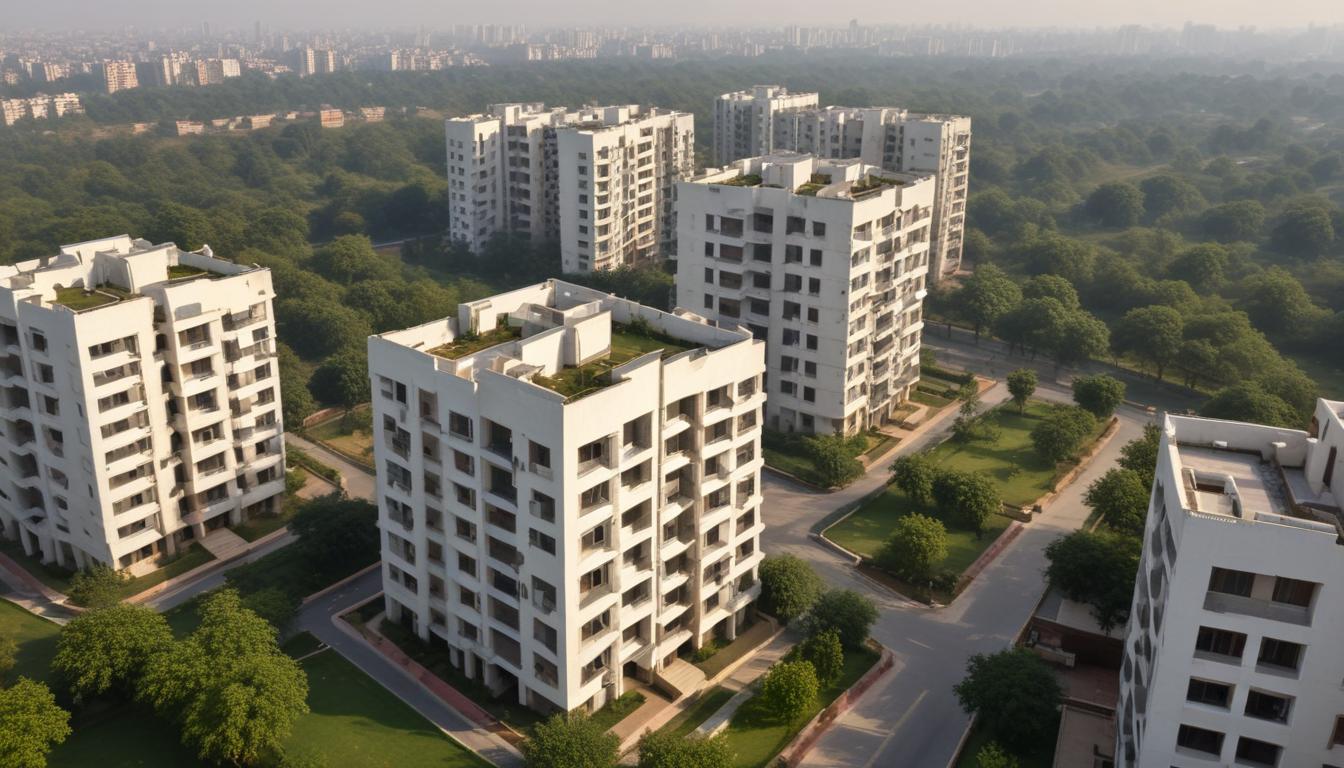
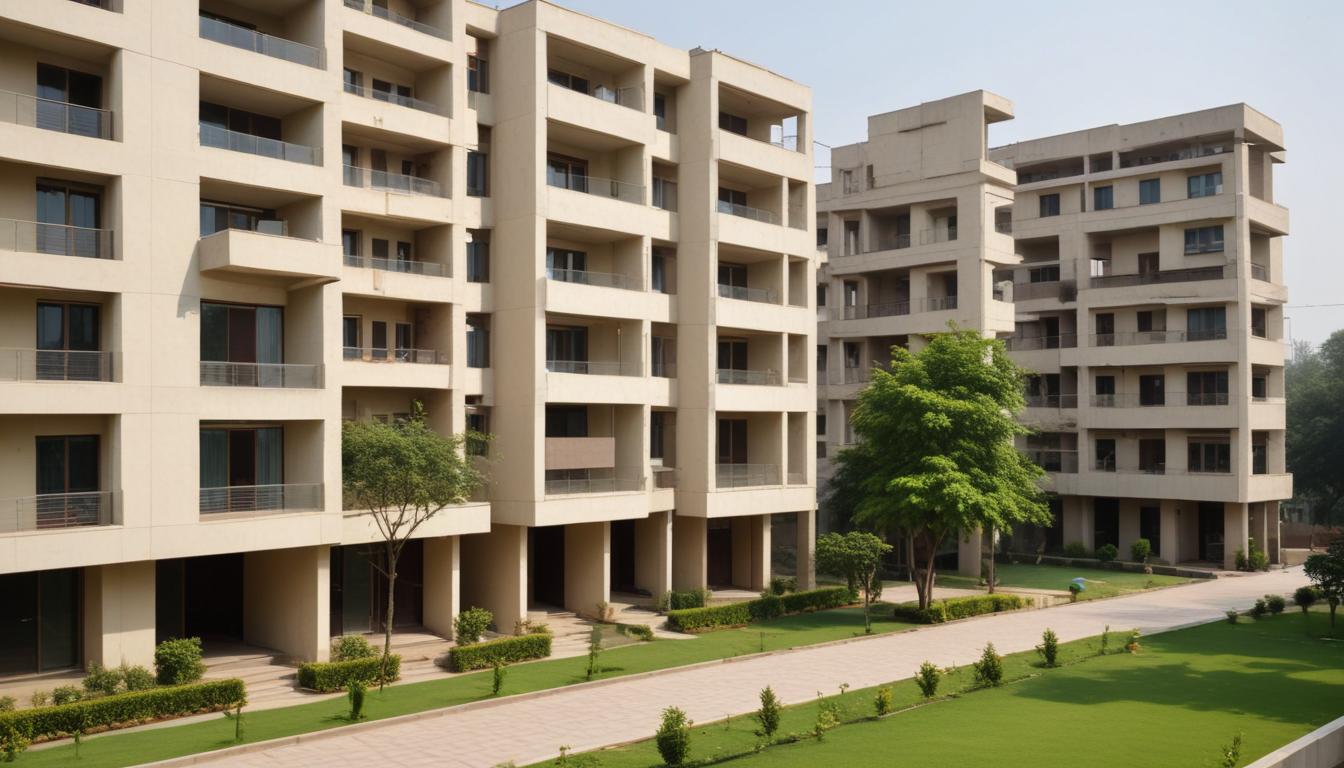
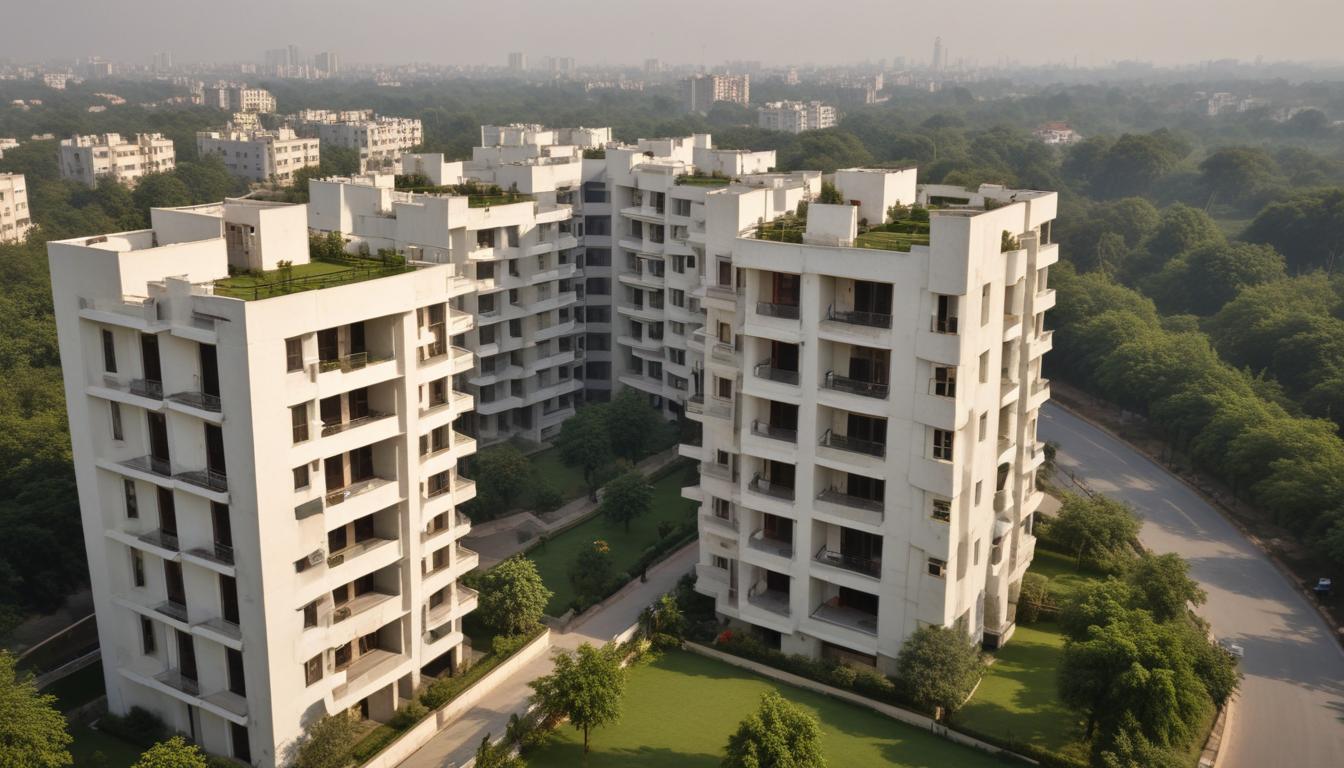
Delhi's property market is experiencing a peculiar squeeze. While the city's average price hovers around ₹8,000 per square foot, the forces reshaping neighbourhoods are far more nuanced than headline figures suggest. For buyers navigating this landscape in mid-2026, understanding what's driving prices—and where opportunity still exists—has never been more critical.
The primary catalyst remains infrastructure connectivity. The completion of metro extensions into previously peripheral zones has triggered a domino effect. Properties along the newly operational corridors in East Delhi and the extended Blue Line are seeing double-digit appreciation. Conversely, established South Delhi pockets—from Defence Colony to Greater Kailash—are experiencing price stabilisation rather than growth, with ₹15,000-plus per square foot now commonplace. This creates a divergence: premium locations offer stability; emerging nodes offer velocity.
Supply-side constraints amplify the pressure. Unlike Mumbai or Bangalore, Delhi's residential development remains tightly clustered around major players like DLF, LODHA, and Godrej. Limited new launches mean older stock in neighbourhoods like Dwarka and Noida sees renewed investor interest. Gurgaon and Noida NCR zones, capitalising on cheaper land and expanding office parks in Gurugram's Cyber City and Noida's IT corridor, are absorbing first-time buyers priced out of Delhi proper. Prices there hover between ₹5,000-₹7,000 per square foot—a meaningful 30-40% discount.
Regulatory clarity is another underappreciated driver. The Real Estate (Regulation and Development) Act's implementation has reduced speculative chaos, paradoxically supporting price firming. Buyers now have greater confidence in project timelines and title clarity, shifting purchase psychology from quick flips to medium-term ownership. This has benefited ready inventory over under-construction properties.
For buyers today, several realities warrant attention. First, South Delhi premiumness is entrenched—not all premium locations are appreciating equally. Locations like Vasant Kunj and Mehrauli offer better entry points than central South Delhi. Second, the metro investment thesis remains valid but maturing; early-bird gains in zones like Dwarka Phase 3 are largely captured. Third, NCR remains the playground for price-sensitive buyers, though commute costs must factor into calculations.
The timing message is mixed. Those seeking immediate affordability should explore emerging East Delhi nodes or NCR satellites. Those prioritising established addresses face tighter margins but genuine stability. What's clear: passive waiting has ended. Delhi's market now rewards informed, location-specific decisions over generic exposure.
This article was compiled by AI from the sources linked above and screened before publishing. See our editorial standards.