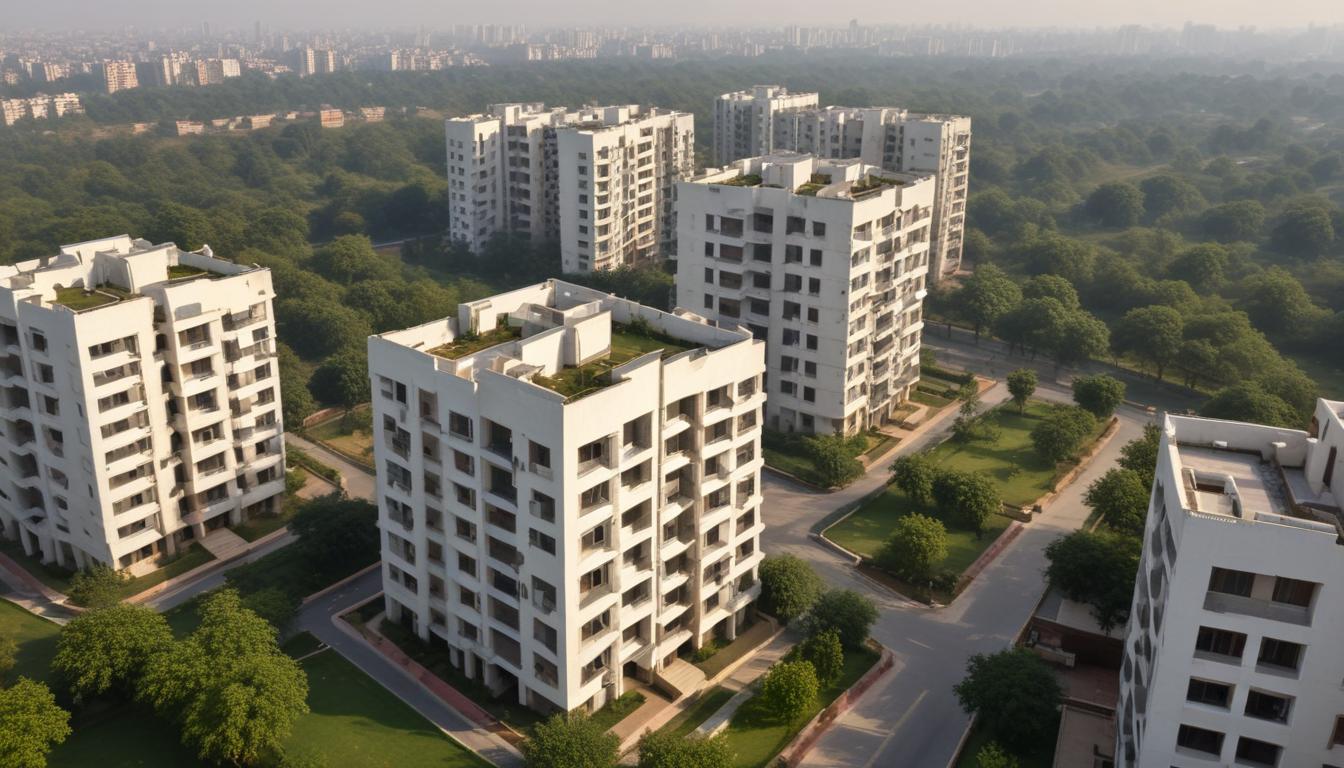
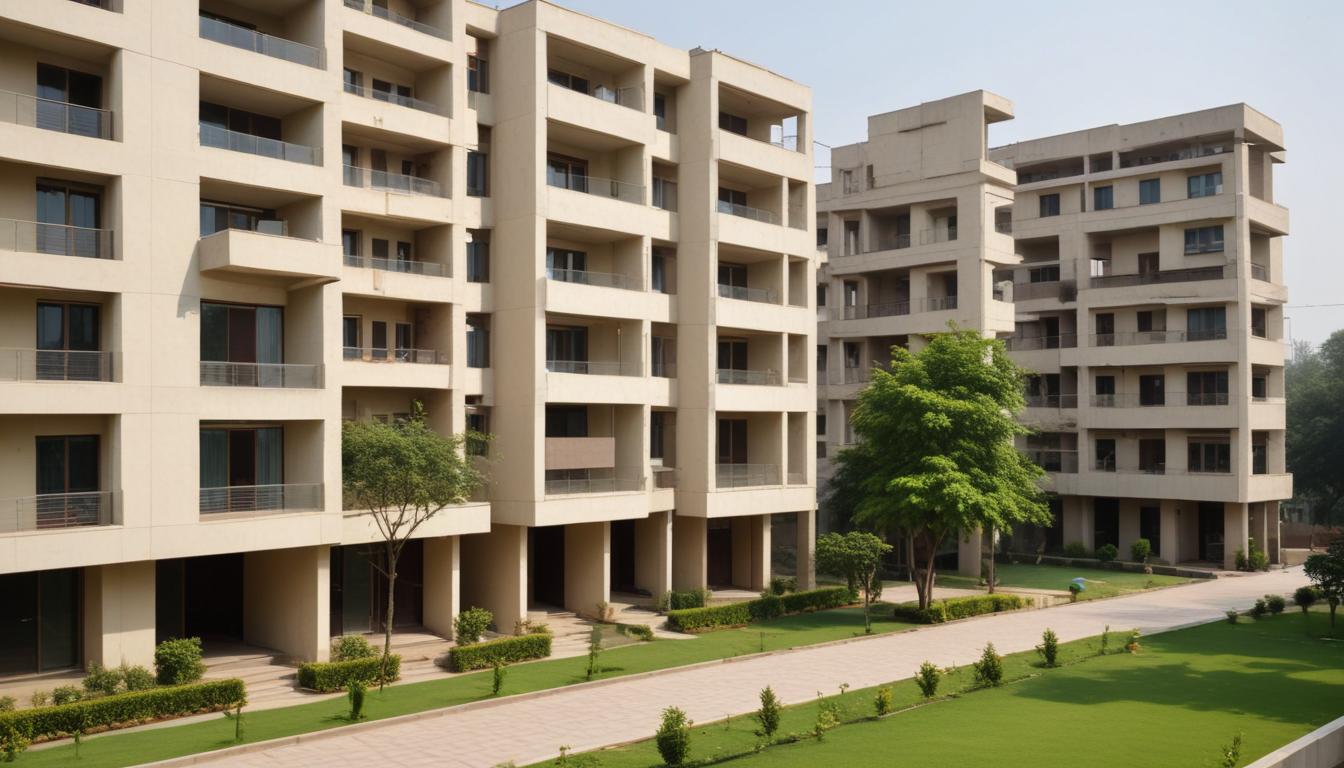
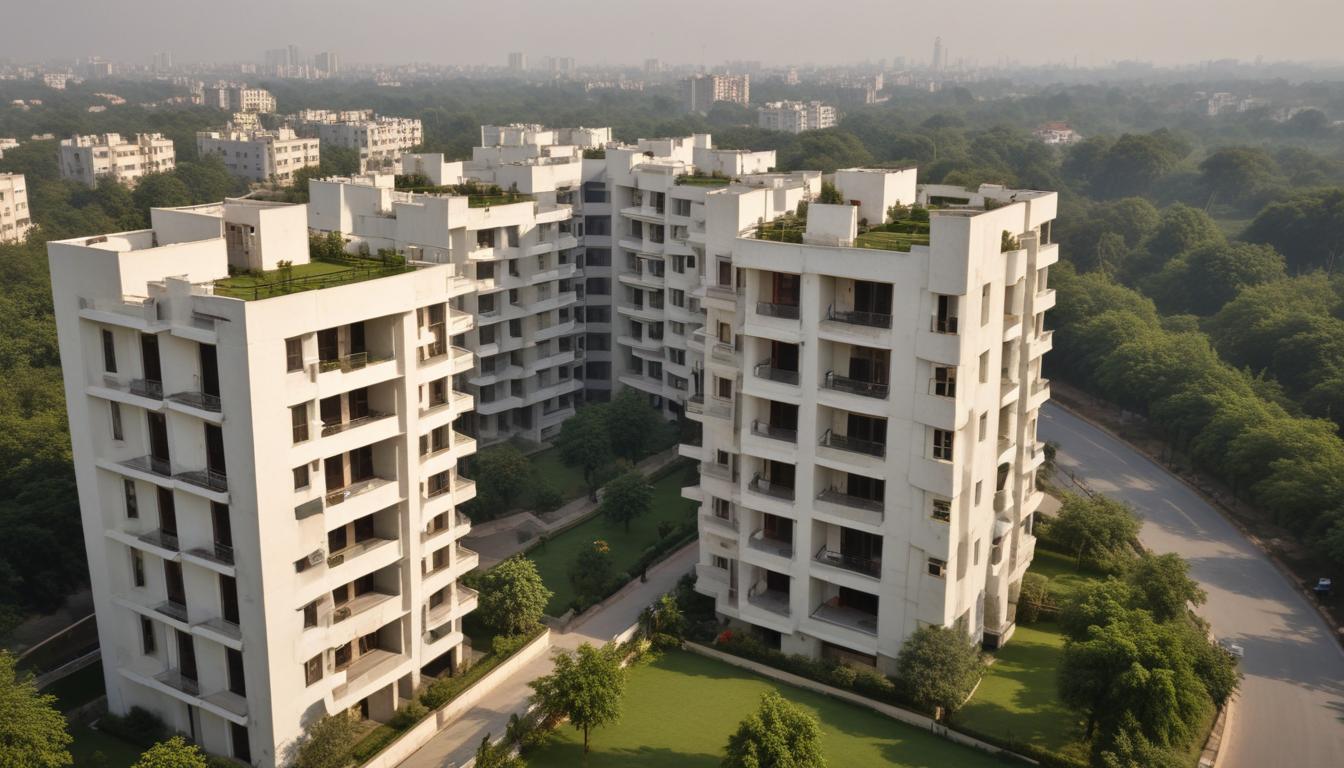
The approval machinery in Delhi has rarely moved faster. Over the past 36 months, the Municipal Corporation of Delhi and Haryana's real estate regulator have green-lit nearly 2,800 housing projects worth an estimated ₹1.2 lakh crore. Yet beneath the construction dust and developer optimism, a more nuanced picture emerges: investor returns are wildly uneven, concentrated in just three micro-markets, while vast tracts of new supply sit trapped in delivery limbo.
Consider South Delhi's Vasant Kunj corridor. Properties approved between 2023 and 2024 are now delivering possession letters, and early-stage investors who locked in at ₹8,200 per square foot are seeing exits at ₹11,500–₹12,100 per square foot. A three-bedroom unit purchased at ₹2.4 crore in 2023 now commands ₹3.1 crore. That's a 29% markup in under three years—well above Delhi's historical average of 6–8% annual appreciation. But the real story lies in why: proximity to the newly extended metro terminus at Kalindi Kunj and DLF's expanding commercial footprint have attracted institutional investors and end-users alike, shrinking inventory velocity.
The picture fractures elsewhere. In Noida's Sector 150, where approvals tripled in 2024, oversupply has compressed yields. Investors who bought pre-launch at ₹5,800 per square foot are struggling to find buyers above ₹6,400 per square foot—barely 10% appreciation over two years, with carrying costs eroding real returns. Similarly, Gurgaon's Sector 89A, despite 450 new units approved, shows investor frustration: absorption rates have fallen from 85% to 61% quarter-on-quarter, pushing many early buyers into extended holding periods.
Real Estate Regulatory Authority (RERA) filings reveal the bottleneck. Of projects approved in 2024, just 31% have commenced physical construction. Delays in environment clearances and land acquisition disputes—particularly across the Delhi-Gurugram expressway corridor—have extended pre-construction phases by 18–24 months. For investors, this means capital locked without rental yield, a brutal proposition in Delhi's modest 2.2–2.8% rental yield environment.
The clearest winners remain projects within existing metro corridors and established commercial hubs. Properties within 800 metres of the Blue Line extension in South Delhi, or DLF's new Grade-A mixed-use developments, continue attracting 24–32% three-year returns. Everywhere else, buyers are learning a hard lesson: approvals are not destiny. Construction timelines, market absorption, and proximity to infrastructure are what separate investor wins from extended holding costs.
This article was compiled by AI from the sources linked above and screened before publishing. See our editorial standards.