Delhi's property landscape is shifting beneath old foundations. Over the past eighteen months, municipal approvals for new mixed-use developments have surged, particularly along the city's expanding metro corridors and in the peripheral growth zones of Gurgaon and Noida. For South Delhi neighbourhoods like Defence Colony and Greater Kailash, where land remains fragmented and prices hover near ₹8,000 per square foot on average, the ripple effects are already visible.
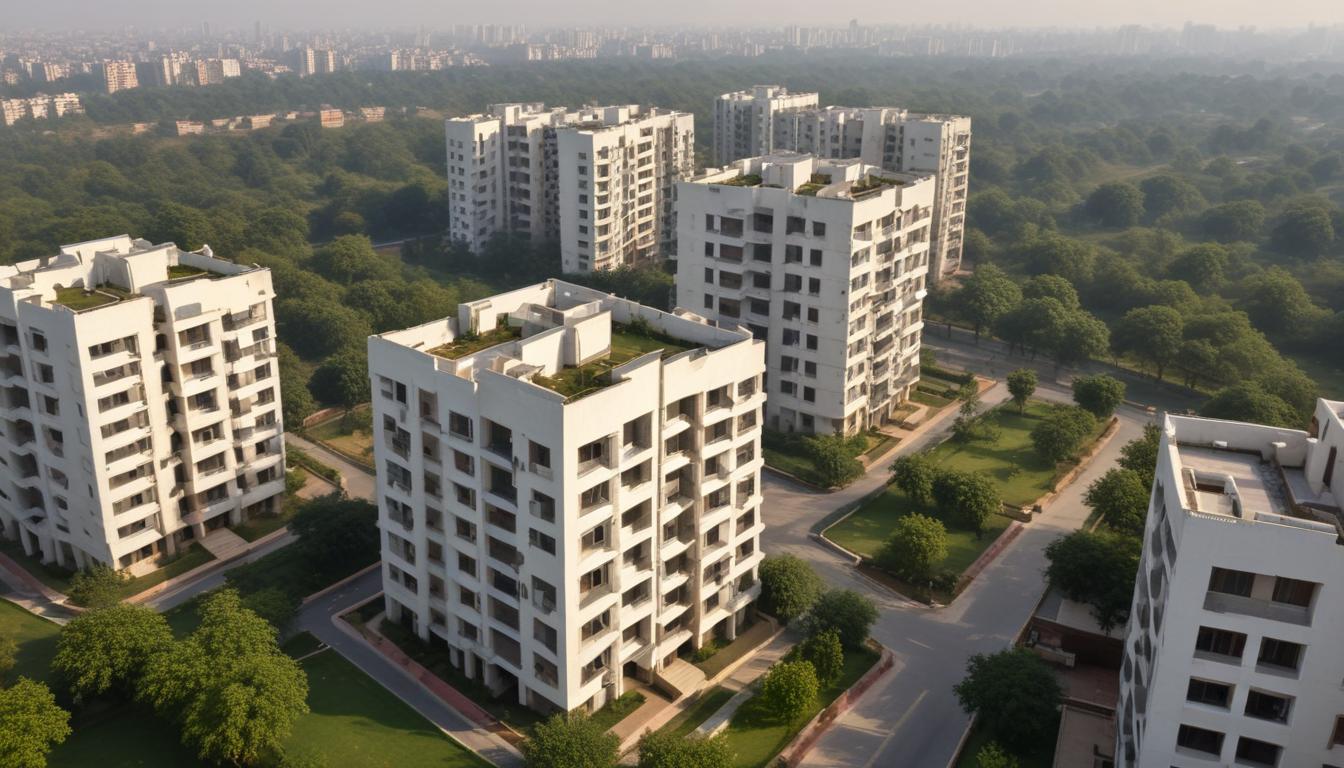
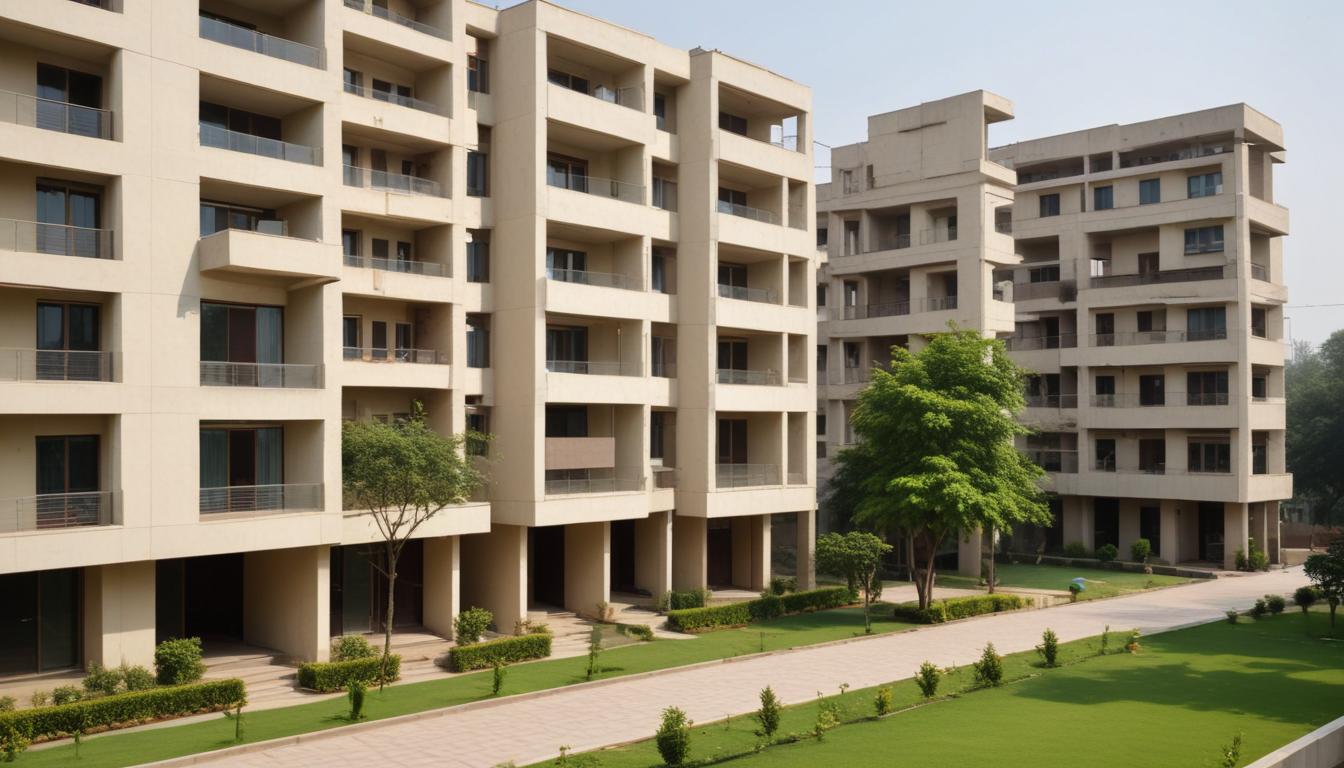
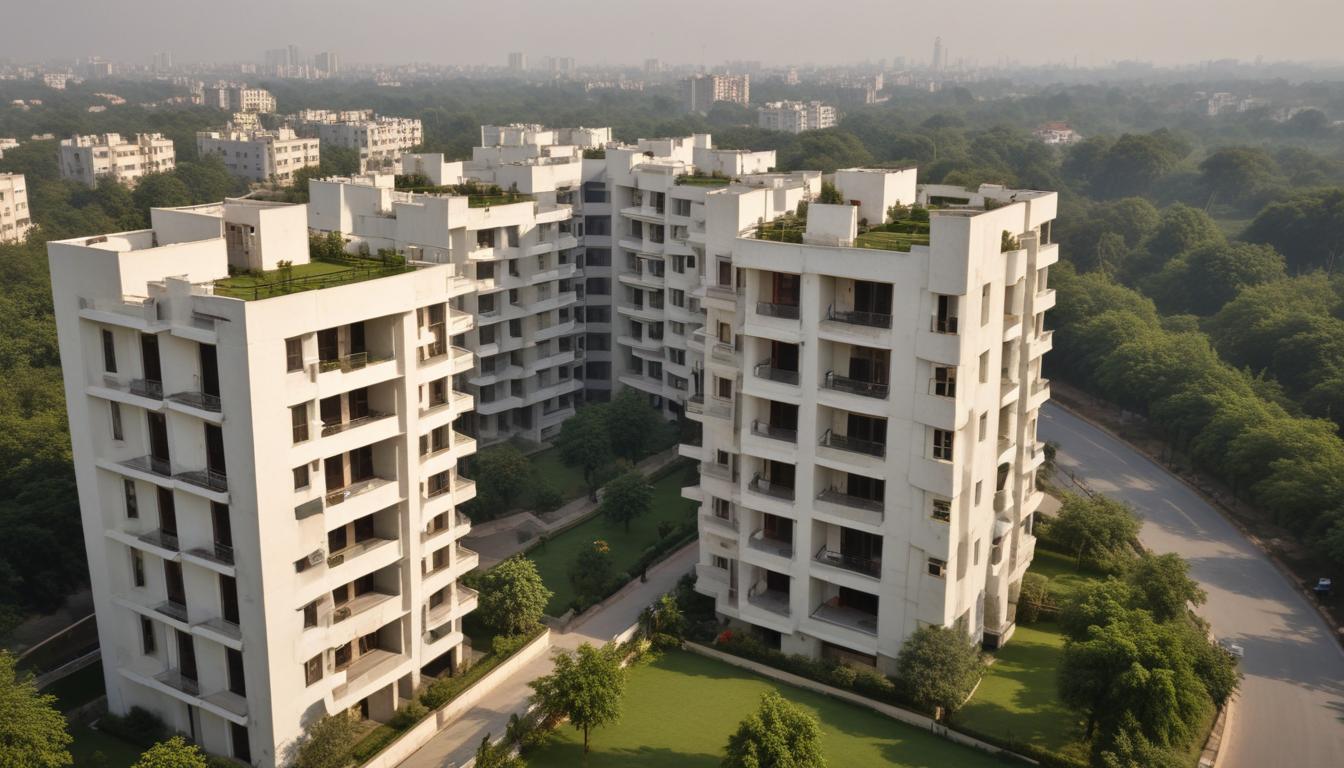
The most significant catalyst has been the relaxation of floor-area ratios (FAR) in designated transit zones. Three major residential towers have recently received approval near the Violet Line extension in East Delhi, with combined carpet area exceeding 8 lakh square feet. Simultaneously, DLF and other major developers have launched fresh projects along the proposed Dwarka Expressway corridor, targeting the semi-urban Gurugram belt where land costs remain 30–40 per cent lower than South Delhi.
"These developments reshape neighbourhood character," explains the perspective of urban planners observing these patterns. The arrival of new commercial and residential clusters brings infrastructure investment—better roads, public utilities, improved last-mile connectivity. Yet they also compress timelines. Properties in immediately adjacent areas often see 15–25 per cent value appreciation within 18 months of approval announcements, as investors anticipate demand.
Khan Market and Connaught Place remain benchmarks for premium development, but newer focal points are emerging. The approval of a 12-acre mixed-use complex near Nehru Place's IT hub signals intensification in the central business district. Similarly, the redevelopment zones around Chandni Chowk have triggered renewed interest in heritage-adjacent properties, though affordability concerns persist. Current listings in newly developed pockets of Noida start at ₹5,500 per square foot—undercutting Delhi proper, but rising steadily.
Approval timelines remain unpredictable. Environmental clearances and heritage committee sign-offs frequently delay projects by 12–24 months, creating uncertainty for investors seeking immediate returns. Moreover, the bulk of approvals favour larger developers with capital reserves to weather regulatory delays. Smaller builders and cooperative housing societies face tighter scrutiny.
The broader implication: Delhi's property market is consolidating around transport nodes and approved mega-projects. Neighbourhoods with pipeline developments attract attention; those without face stagnation. For homebuyers and investors, the challenge is distinguishing genuine game-changers from speculative headlines—a task made harder by the acceleration in approvals and the competitive intensity along metro corridors stretching from Dwarka to Noida.
This article was compiled by AI from the sources linked above and screened before publishing. See our editorial standards.