Delhi's Rental Squeeze: How Shifting Market Conditions Are Reshaping the Deal Between Tenants and Landlords
With yields compressed and tenant demand uneven across neighbourhoods, both sides of Delhi's rental equation are recalibrating expectations.
With yields compressed and tenant demand uneven across neighbourhoods, both sides of Delhi's rental equation are recalibrating expectations.
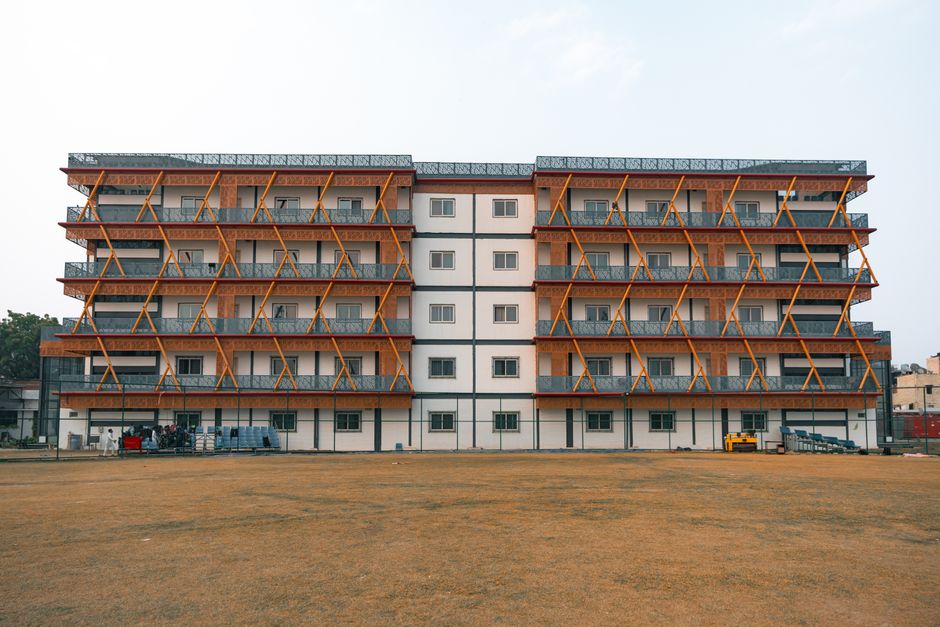
The rental market across Delhi is experiencing a curious bifurcation. While premium South Delhi addresses command steady tenant interest and landlords enjoy relatively stable occupancy, middle-income neighbourhoods from Lajpat Nagar to Defence Colony are witnessing extended vacancy periods and increased tenant negotiating power—a reversal that's forcing property owners to rethink their yield expectations.
Average rental yields in central Delhi hover around 2.5 to 3 per cent annually, a decline from historical norms. A two-bedroom apartment in Malviya Nagar, priced at ₹1.2 crore, typically generates ₹50,000 to ₹55,000 monthly rent—translating to yields barely above 5 per cent before maintenance and municipal taxes. Compare this to Gurgaon's Sector 31 or Sector 35, where newer residential projects attract younger professionals seeking modern amenities, and yields stretch closer to 4 to 4.5 per cent, yet with faster tenant turnover.
The National Real Estate Development Council data suggests that across the NCR region, landlords are increasingly absorbing renovation and furnishing costs to attract tenants—a shift from five years ago, when furnished premiums were non-negotiable. In established pockets like Eastend Greens or the Mehrauli-Gurgaon corridor, landlords are competing on flexibility rather than price, offering three-month grace periods or flexible lease terms to secure long-term occupants.
Tenants, meanwhile, face a paradoxical situation. While they've gained negotiating leverage on rent, competition for quality properties—particularly near metro corridors like the Magenta Line or within five kilometres of commercial hubs in Cyber City—remains fierce. A working professional seeking a one-bedroom near the Rajiv Chowk or ITO areas will find asking rents unchanged from 2023, but landlords now shoulder painting, waterproofing, and Wi-Fi infrastructure upgrades that tenants previously negotiated separately.
For serious property investors, the message is stark: raw yield calculations no longer capture the full picture. Capital appreciation potential, tenant stability, and location relative to employment centres matter as much as rental income. South Delhi's established colonies continue to attract NRI and corporate tenants, cushioning landlords against vacancies. Conversely, developers banking on peripheral Noida or Greater Noida projects face longer leasing cycles and price resistance from first-time renters.
The Delhi rental market's evolution reflects broader property dynamics: yield compression, shifting tenant demographics, and geography-dependent demand. Success for both landlords and tenants increasingly depends on matching expectations to location fundamentals rather than chasing historical returns.
This article was compiled by AI from the sources linked above and screened before publishing. See our editorial standards.
How does this story make you feel?
Spread the word
About this article
Published by The Daily Delhi
Daily brief
Free, in your inbox before 7am. Weekdays.
More in Property


