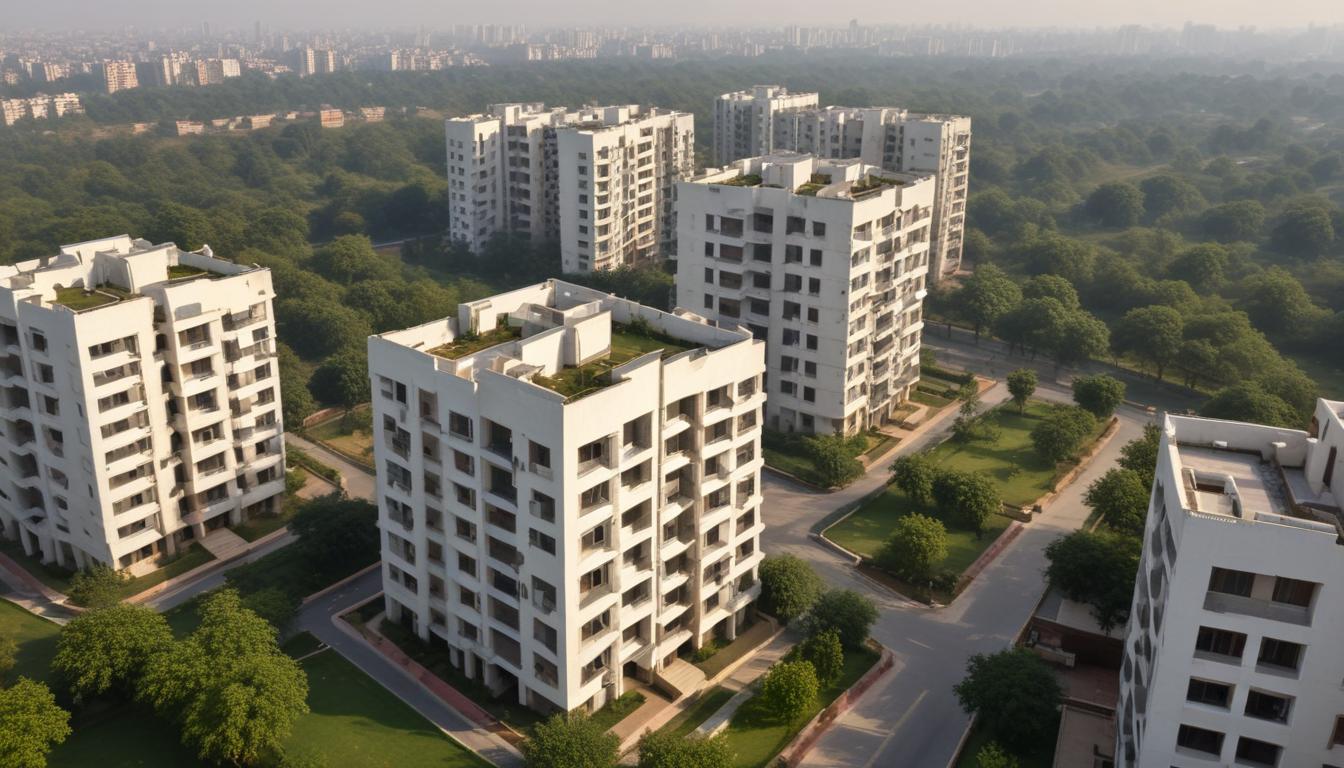
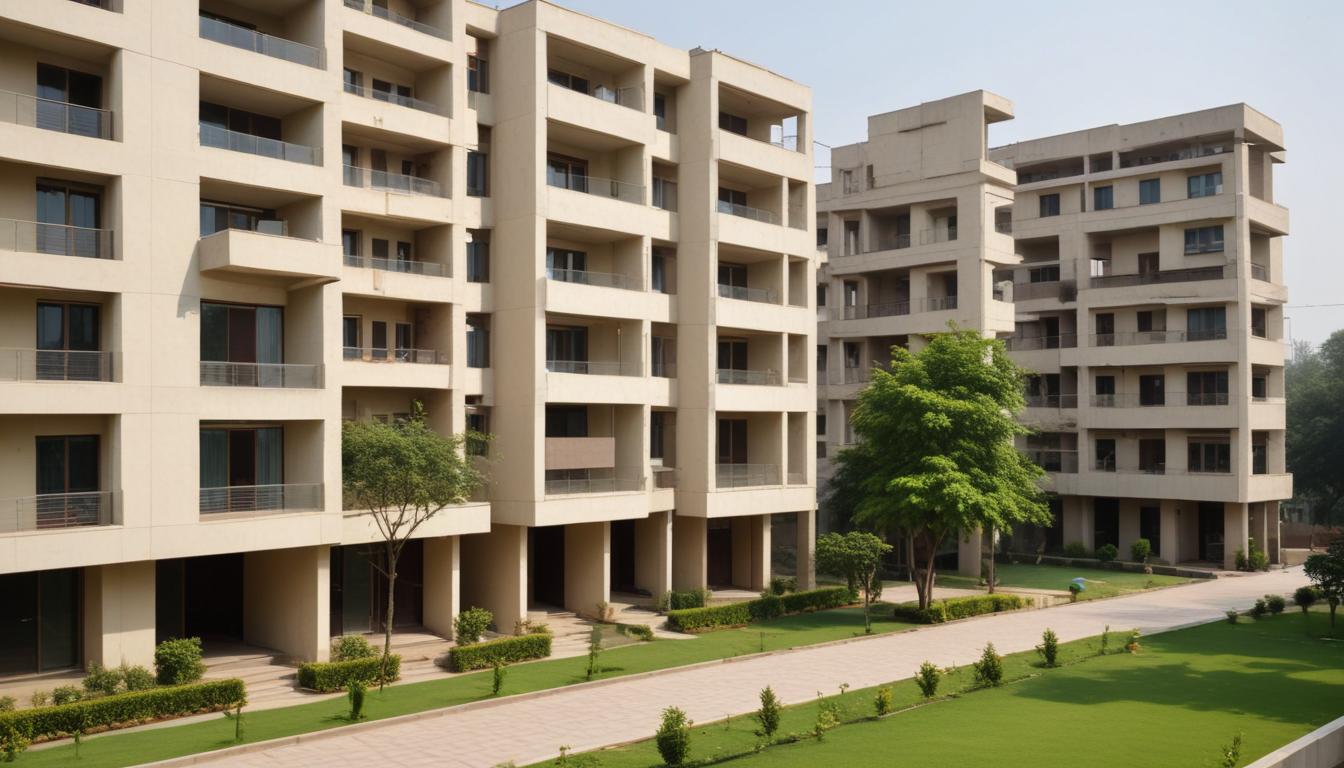
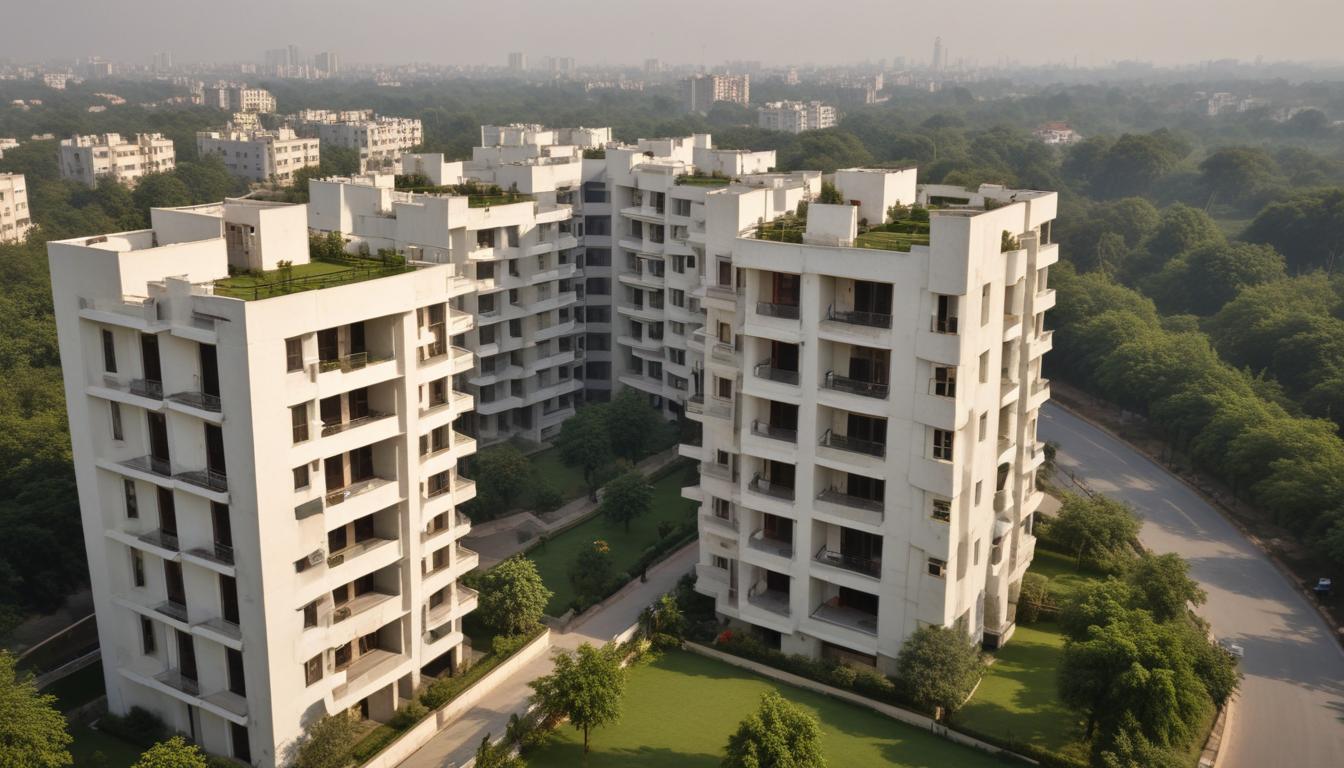
The skyline around Delhi's metro corridors is shifting faster than ever. Where single-family homes once dominated Sector 37 in Noida or the periphery of West Delhi's Uttam Nagar, towering residential clusters now rise—each marketed with promises of connectivity, lifestyle, and investment returns. But behind the glossy launch events lies a more complex story about what these projects actually mean for local housing affordability.
Recent launches near the Magenta Line extension towards Janakpuri-West have pushed property values to INR 9,500–10,500 per square foot, a sharp jump from the area's baseline of INR 7,500 just three years ago. Similar patterns are visible in Gurgaon's Golf Course Extension Road, where developer-driven residential townships have transformed adjacent neighbourhoods. While connectivity gains are real—the promised metro integration, commercial zones, and improved infrastructure—the cost of entry has priced out many first-time homebuyers who traditionally anchored these communities.
"What we're seeing is a bifurcation," explains the market trend. South Delhi's established enclaves like Greater Kailash and Defence Colony maintain their premium positioning, now averaging INR 12,000–14,000 per sqft. Simultaneously, Noida's newer Sector 107 and 108 developments position themselves as the "affordable alternative," yet at INR 5,500–6,500 per sqft, they still demand household incomes well above the median. The real squeeze is in the middle: areas like Lajpat Nagar and parts of East Delhi that don't benefit from major new project spillover are becoming demographically hollowed.
The DLF and Lodha projects now underway in the National Capital Region reflect developer confidence in the metro-corridor investment thesis. Yet each new complex—with its gated security, managed common areas, and premium finishes—implicitly redefines the neighbourhood's social composition. Existing residents in Dwarka Sector 7, for instance, now neighbour towering complexes marketed to distant investors and high-income relocations, not local families.
For policymakers, the challenge is clear: new housing supply does arrive, but it rarely filters down to the affordability tiers that face the sharpest shortage. Until projects anchor a meaningful percentage of units at sub-INR 5,000 per sqft—or until metro expansion genuinely outpaces development velocity—Delhi's outer rings will continue their slow migration from residential neighbourhoods to investment portfolios. The new towers are reshaping Delhi's geography, certainly. The question is whether they're reshaping it for Delhi itself.
This article was compiled by AI from the sources linked above and screened before publishing. See our editorial standards.