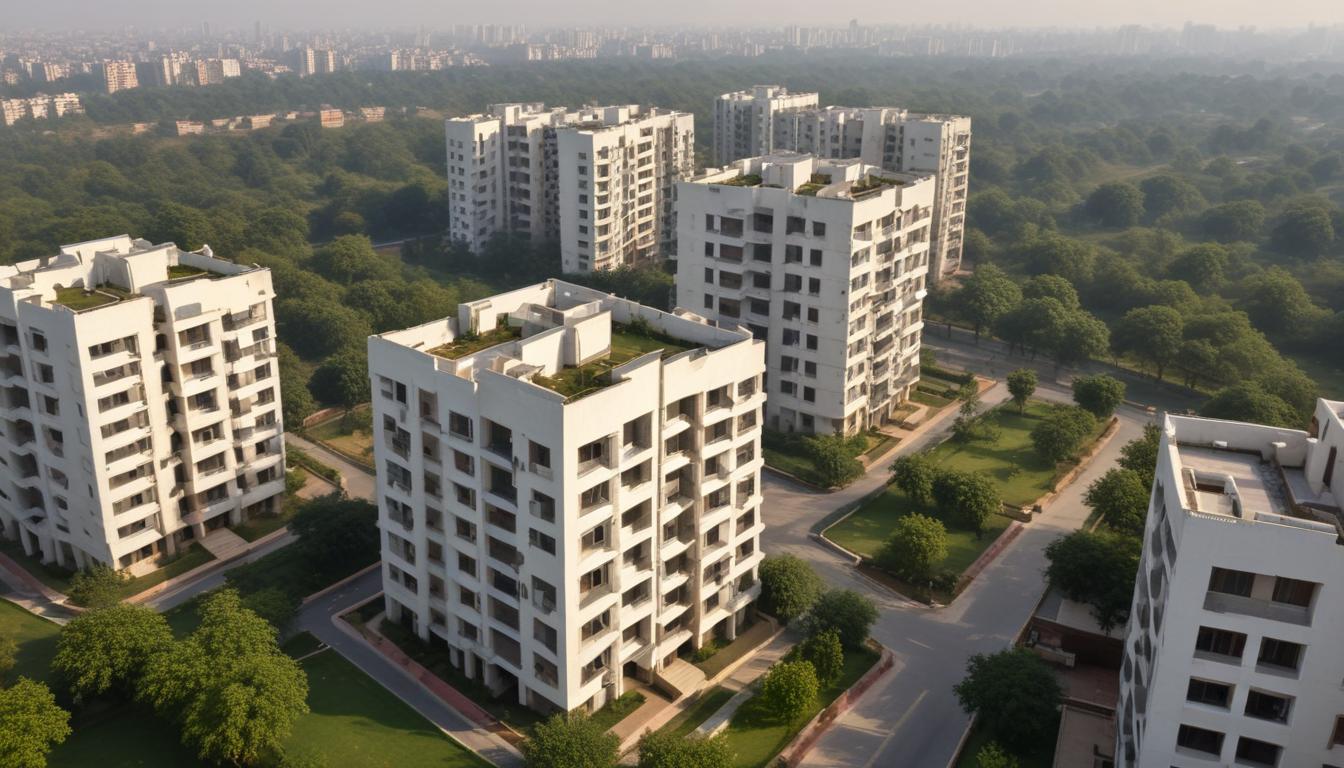
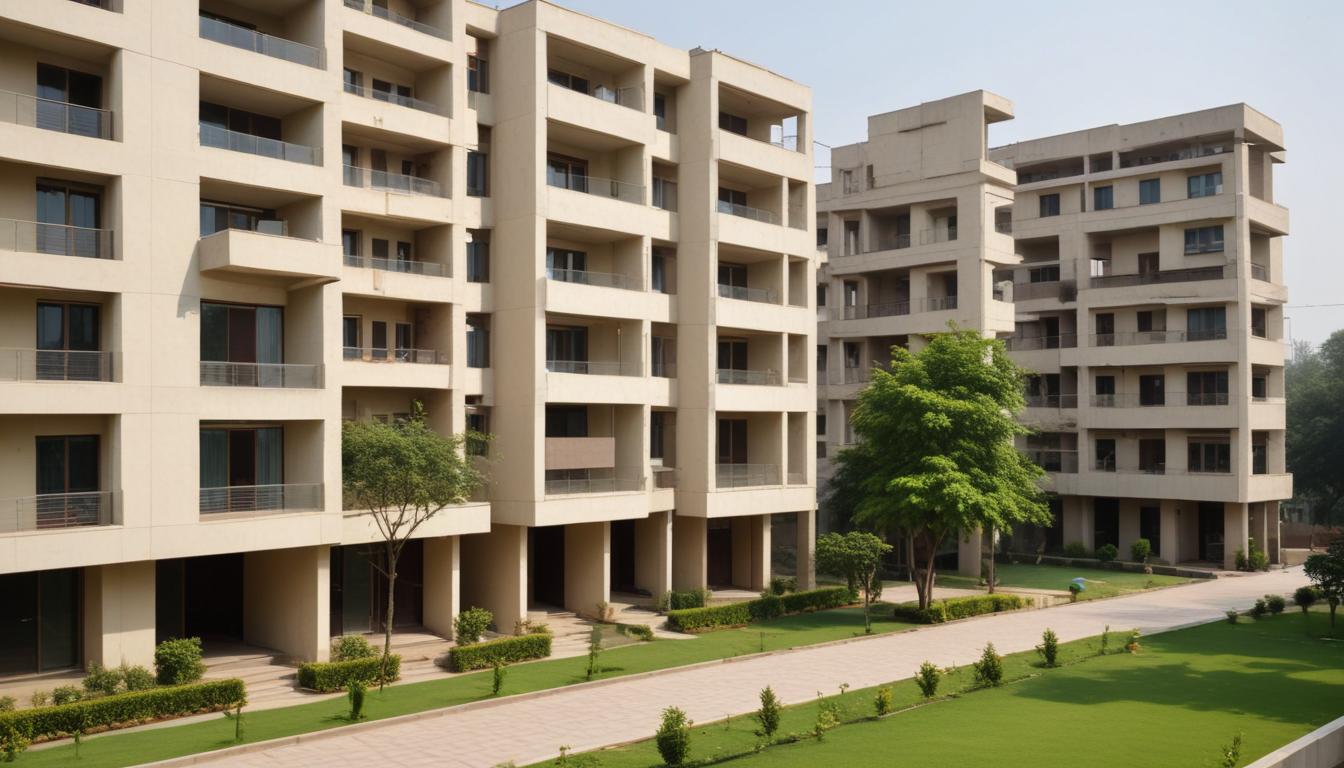
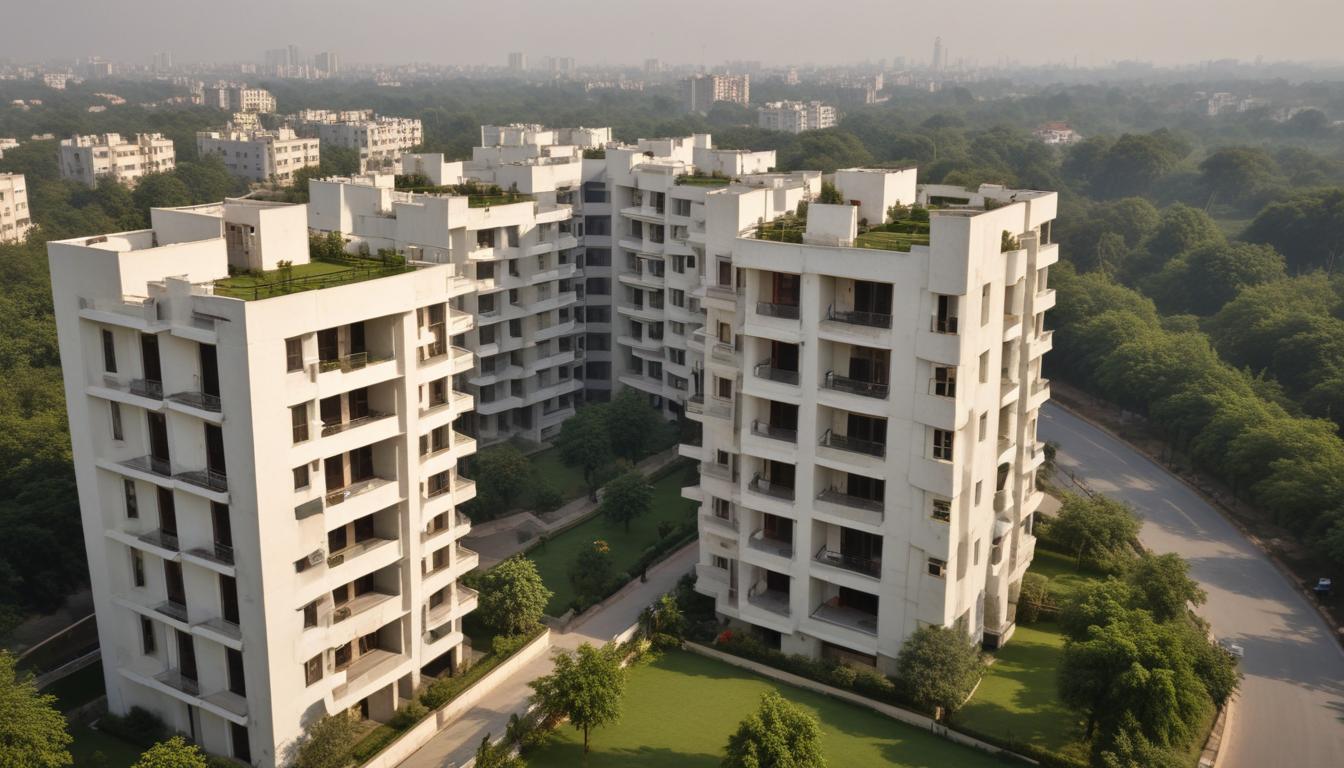
First-Time Landlords: Your Essential Guide to Cracking Delhi's Investment Property Market
With yields under pressure and regulation tightening, new investor-owners need a sharper strategy to make rental returns work in 2026.
With yields under pressure and regulation tightening, new investor-owners need a sharper strategy to make rental returns work in 2026.
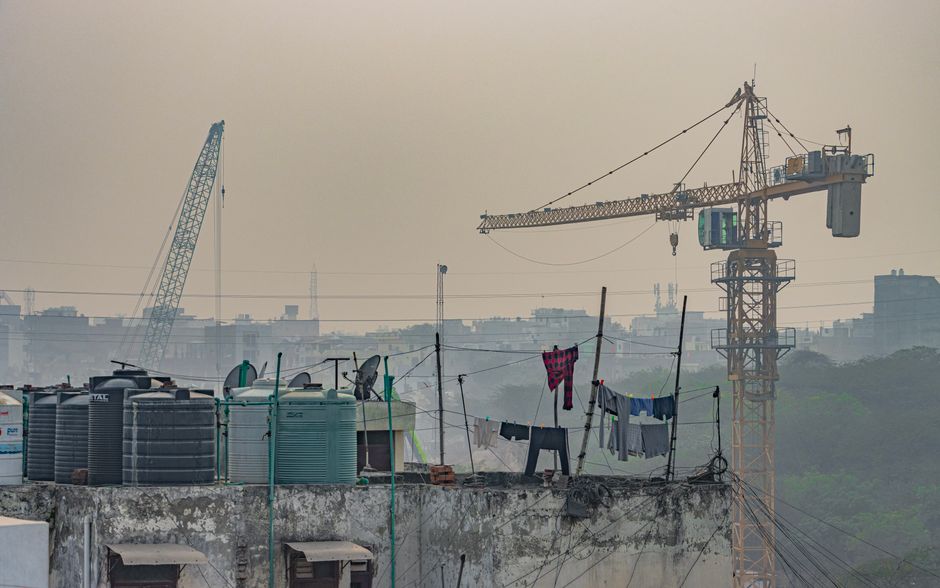
The Delhi rental market has shifted. Where once a ₹1.2 crore apartment in Defence Colony could generate comfortable 3-4% annual yields, first-time buyers are now scrutinising every transaction with fresh realism. The average property price across Delhi sits around ₹8,000 per square foot, but yields have compressed—and that's reshaping how savvy investor-owners approach entry into the market.
Start with location discipline. South Delhi postcodes—Vasant Kunj, Greater Kailash, Malviya Nagar—command premium rents but carry premium purchase prices. A smarter play for first-timers? Gurgaon's emerging metros corridors and Noida's DLF developments, where rental yields can stretch to 2.8-3.5%, offsetting slower price appreciation. The Delhi Metro's corridor effect remains real: proximity to stations like Hauz Khas, Rajiv Chowk, or Lajpat Nagar adds 8-12% rental premium without proportional price escalation.
Second, understand your tenant profile before you buy. Young professionals near office hubs command different rent scales than families seeking school proximity in Safdarjung or Dwarka. A studio near Connaught Place might pull ₹25,000-30,000 monthly; a 2BHK in Rohini could manage ₹45,000-55,000. Calculate backwards: what's your break-even yield? Most advisors suggest minimum 2.5% gross rental yield to justify leverage costs and vacancy periods.
Regulation has tightened. The Delhi Rent Control Act amendments mean security deposits are capped at four months' rent; rent hikes are now capped at 4% annually. This predictability is useful for financial modelling, but it erodes the upside. Budget for management: property taxes, maintenance (roughly 1% of property value annually), broker fees (one month's rent), and occasional vacancy periods.
Third, document everything meticulously. Registered lease agreements, PAN-linked rent receipts, and maintenance records protect you legally and simplify tax filing. Ensure your property is GST-registered if renting out unfurnished; it affects tenant behaviour and compliance burden.
Finally, resist the noise. Empty land recently sold for nearly $2 million despite weak clearance rates; the headline-chasing investment approach rarely works. Your edge as a first-timer is patience and data. Run 10-year projections, stress-test against 10% rental growth and 5% price appreciation (conservative by Delhi standards), and only commit if the numbers work at baseline assumptions.
The market cycle explanation circulating suggests regulation and rates are reshaping behaviour. For first-timers, that's actually clarifying: the easy money is gone. What remains are disciplined, location-specific bets on rental yields with modest leverage. That's a healthier market to enter.
This article was compiled by AI from the sources linked above and screened before publishing. See our editorial standards.
How does this story make you feel?
Spread the word
About this article
Published by The Daily Delhi
Daily brief
Free, in your inbox before 7am. Weekdays.
More in Property