What Price Data and Auction Results Are Signalling to Delhi's Investment Landlords
Rising clearance rates in South Delhi and NCR corridors suggest a shifting market—but yields remain compressed for first-time buy-to-let investors.
Rising clearance rates in South Delhi and NCR corridors suggest a shifting market—but yields remain compressed for first-time buy-to-let investors.
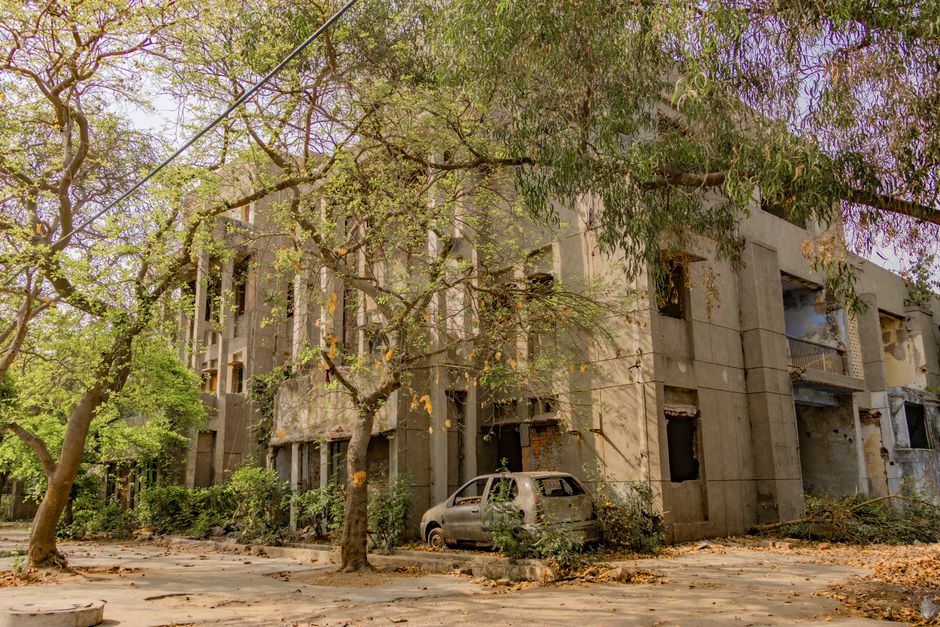
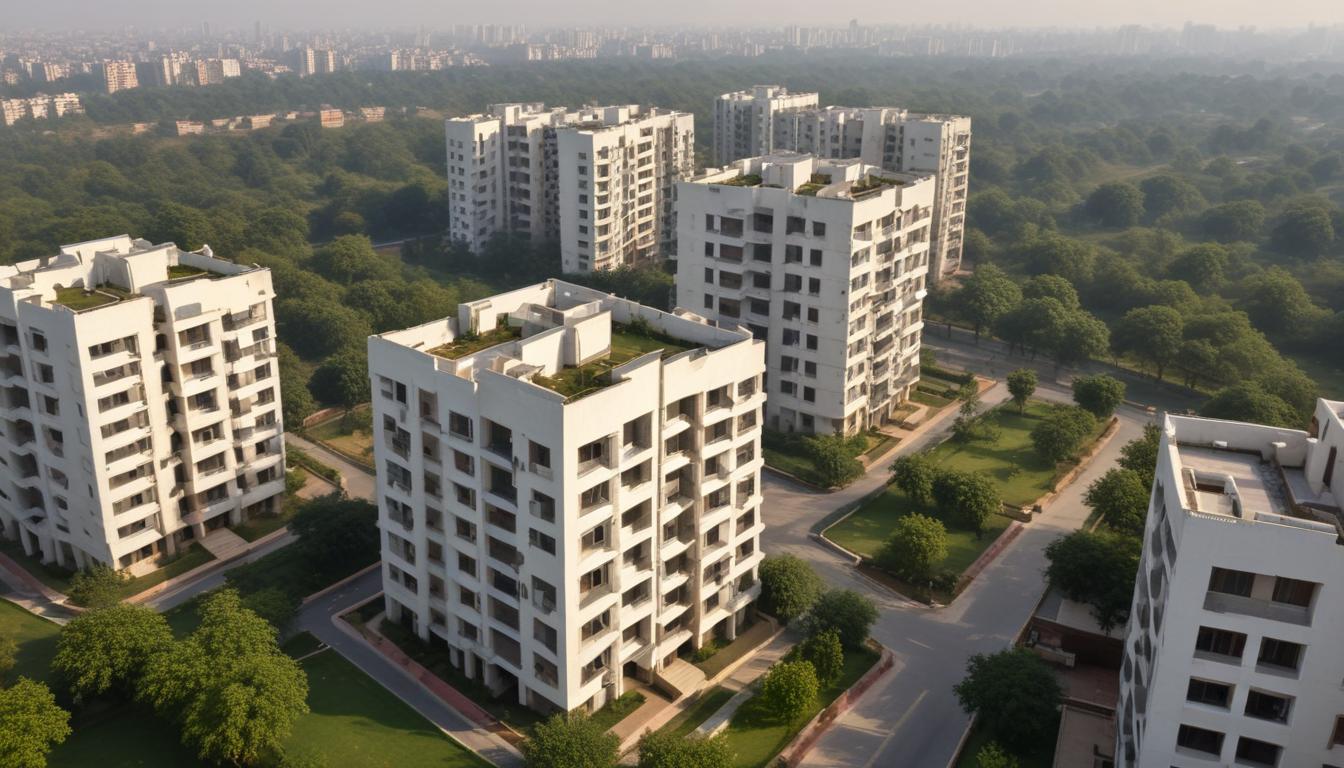
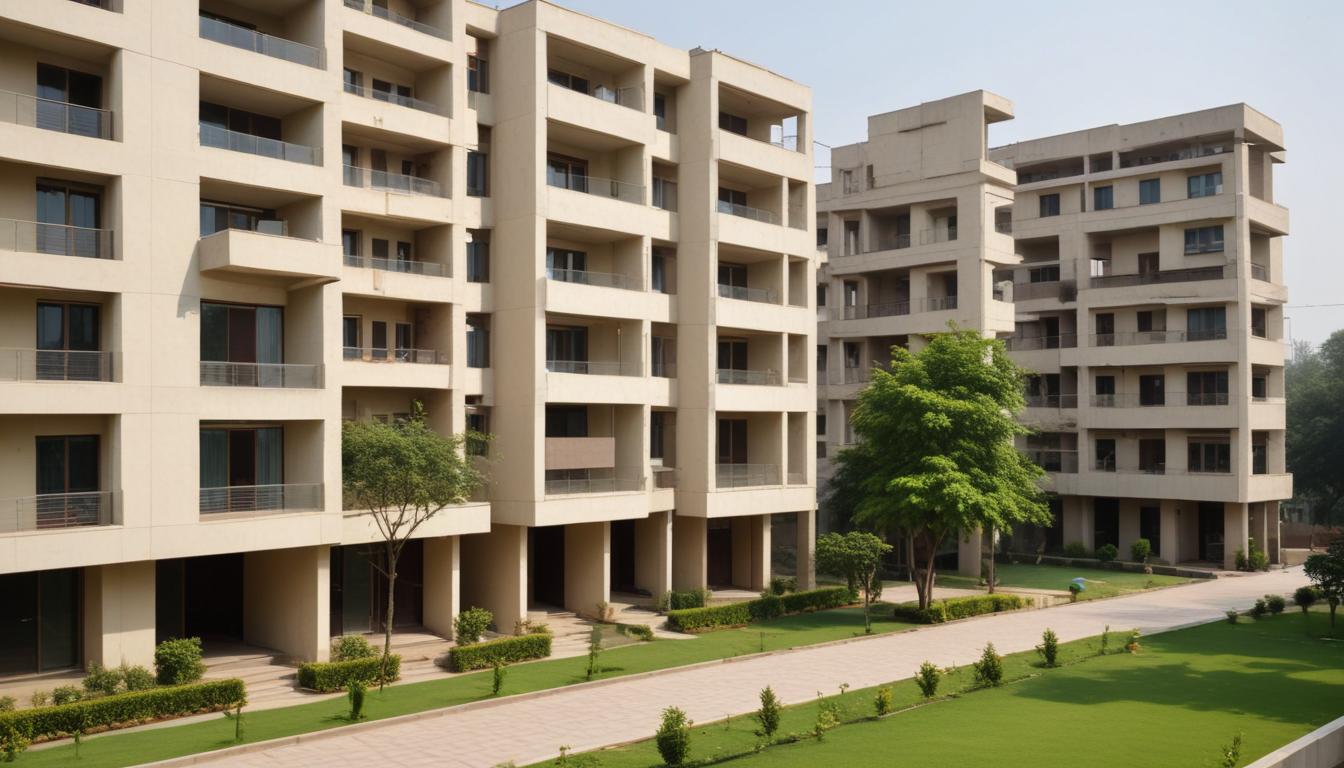
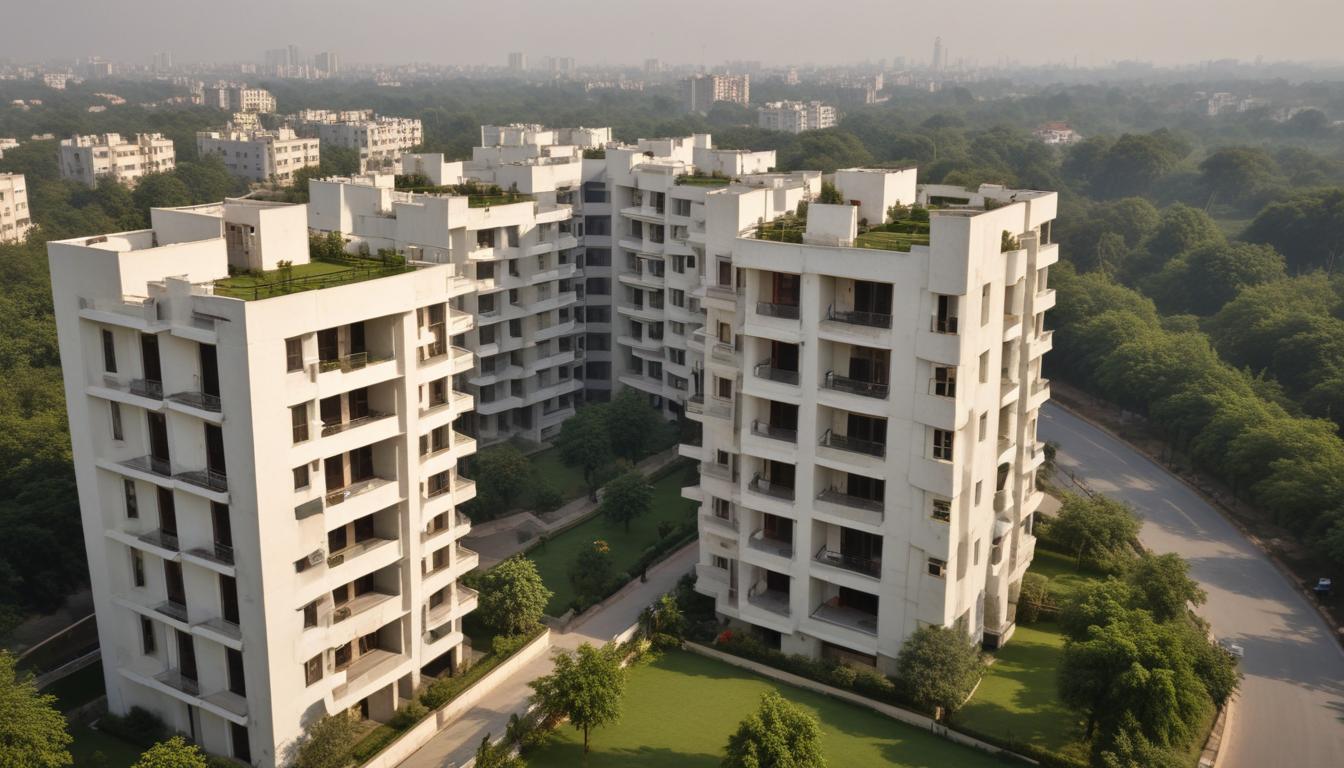
Delhi's rental yield story is becoming harder to ignore. Across South Delhi hotspots like Defence Colony, Greater Kailash and Lajpat Nagar, property auction clearance rates have climbed to their highest in three years, signalling renewed investor appetite—yet asking rents stubbornly lag behind purchase prices.
Recent data from property registration offices and RERA filings reveals a curious paradox. While residential prices in South Delhi have stabilised around ₹12,000–₹14,000 per square foot for established addresses, and Gurgaon's prime corridor properties (DLF Phase 3, Golf Course Road extension) command ₹9,500–₹11,000, rental yields hover between 2.5–3.2 percent annually. For a ₹2.5 crore apartment in Sundar Nagar or Model Town, that translates to a monthly rent barely exceeding ₹60,000–₹65,000.
Auction data tells a sharper story. Property sales through IBHFL and HDFC auctions in Noida and East Delhi suburbs (Indirapuram, Vaishali) are closing at 82–88 percent reserve price, up from 64 percent two years ago. But these are distressed sales—mortgage defaults and inheritance disputes—not organic market health. Landlords scanning these results see liquidity returning, yet scarcity pricing hasn't driven rents upward proportionally.
What's signalling caution for buy-to-let investors is the metro-corridor effect plateau. While properties within 500 metres of Delhi Metro stations (Blue Line towards Noida City Centre, Violet Line towards Badarpur) commanded a 12–15 percent premium in 2023, current transactions show that gap narrowing to 7–9 percent. Tenants, it appears, have factored commute value into base expectations rather than accepting rental premiums.
For landlords reassessing portfolios, the takeaway is tactical. Properties in consolidating micro-markets—Mahipalpur approaching the airport, Sector 62–63 in Noida near the office belt—are seeing faster tenant turnover and stable occupancy. Conversely, older stock in central South Delhi faces longer vacancy periods despite premium asking prices.
Market analysts note that August–September registration data will be crucial. Typically, monsoon clarity prompts bulk registrations; weak numbers would suggest price fatigue has finally dampened investor enthusiasm. Property circles are watching whether RERA-registered new launches (particularly DLF and Godrej projects in south Gurgaon) will absorb rental demand or cannbalise secondary-market tenants.
For now, the auction clearance signal reads green on liquidity but amber on returns. Yield-hunting landlords would be wise to focus on rentable floor space, tenant quality and appreciation over time rather than expecting overnight rental rate jumps.
This article was compiled by AI from the sources linked above and screened before publishing. See our editorial standards.
How does this story make you feel?
Spread the word
About this article
Published by The Daily Delhi
Daily brief
Free, in your inbox before 7am. Weekdays.
More in Property