Why Delhi Property Prices Are Climbing Faster Than Ever—And What Savvy Investors Must Know
Metro connectivity, corporate migration, and yield hunger are reshaping Delhi's investment landscape; here's what the numbers reveal.
Metro connectivity, corporate migration, and yield hunger are reshaping Delhi's investment landscape; here's what the numbers reveal.
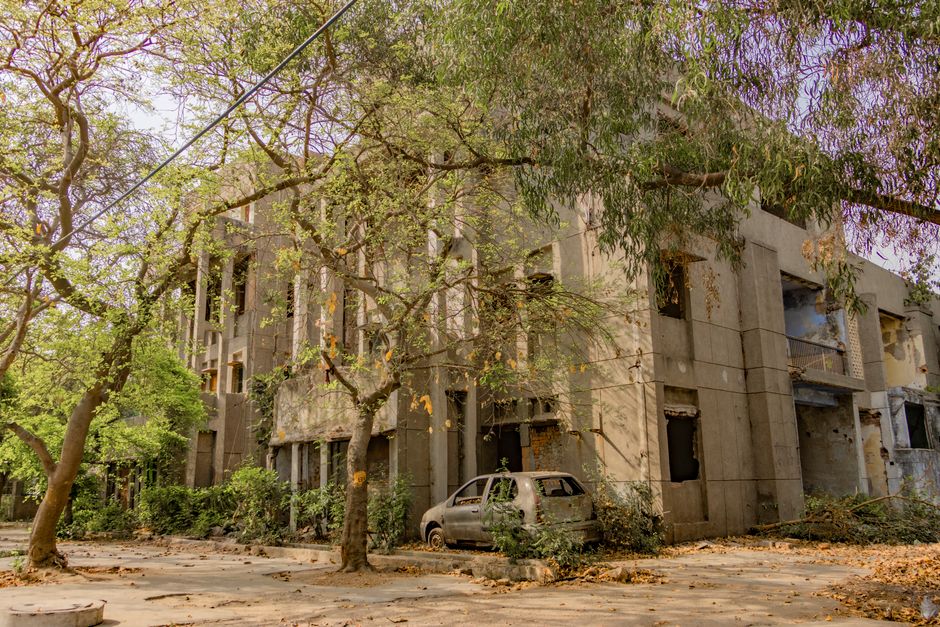
Delhi's property market is experiencing a fundamental shift. While the city's baseline of ₹8,000 per square foot masks significant variation, investment yields are now the primary driver of buyer behaviour—and prices are following suit.
The story begins with infrastructure. The extension of the Delhi Metro network into peripheral zones has triggered a cascading effect. Properties within 500 metres of stations like those on the Aqua Line corridor in Noida or the recently enhanced connectivity in East Delhi neighbourhoods such as Preet Vihar and Mayur Vihar are commanding premiums of 15–20% compared to non-metro-adjacent sites. For landlords, this translates to tenant demand that remains resilient even during economic slowdowns.
South Delhi remains the premium anchor. Properties in established localities like Defence Colony, Greater Kailash, and the DLF-dominated Chhatarpur remain the preserve of high-net-worth buyers seeking capital preservation. However, savvy investors are increasingly looking sideways—to South Delhi's emerging satellites like Kalkaji and Mehrauli, where ₹1.5–2.5 crore gets you a 2-bedroom that rents for ₹50,000–65,000 monthly. That's a gross yield of 3–3.5%, respectable by Indian standards, with lower entry barriers than established neighbourhoods.
The Gurgaon-Noida NCR sprawl has become the true yielding frontier. Sectors in Noida like Sector 62 and Sector 128, close to corporate hubs and the upcoming metro links, are attracting young professionals and multinational workers. A ₹80–90 lakh flat there yields ₹30,000–35,000 monthly—a 4–5% gross return. Meanwhile, Gurgaon's proximity to tech parks in Gurugram and financial offices means residential stock for expatriate families and mid-career professionals commands consistent occupancy.
What is actually driving prices upward? Three forces: capital flowing from smaller metros into Delhi; corporate relocation clustering around the National Capital Region; and low interest rates making leveraged property investment attractive. A buyer who took a ₹50 lakh mortgage in 2022 now holds an asset worth ₹65–70 lakh in appreciating zones.
The critical lesson for investors: location hierarchy matters more than ever. Proximity to employment nodes—Cyber City, NASSCOM clusters, IIT Delhi—determines both rental demand and resale velocity. Generic residential pockets without institutional anchors risk stagnation.
For landlords, the mantra is straightforward: buy in corridors with transit infrastructure and employment density. The days of speculative appreciation without yield are fading. Today's winners are those who marry rental income with long-term capital growth.
This article was compiled by AI from the sources linked above and screened before publishing. See our editorial standards.
How does this story make you feel?
Spread the word
About this article
Published by The Daily Delhi
Daily brief
Free, in your inbox before 7am. Weekdays.
More in Property