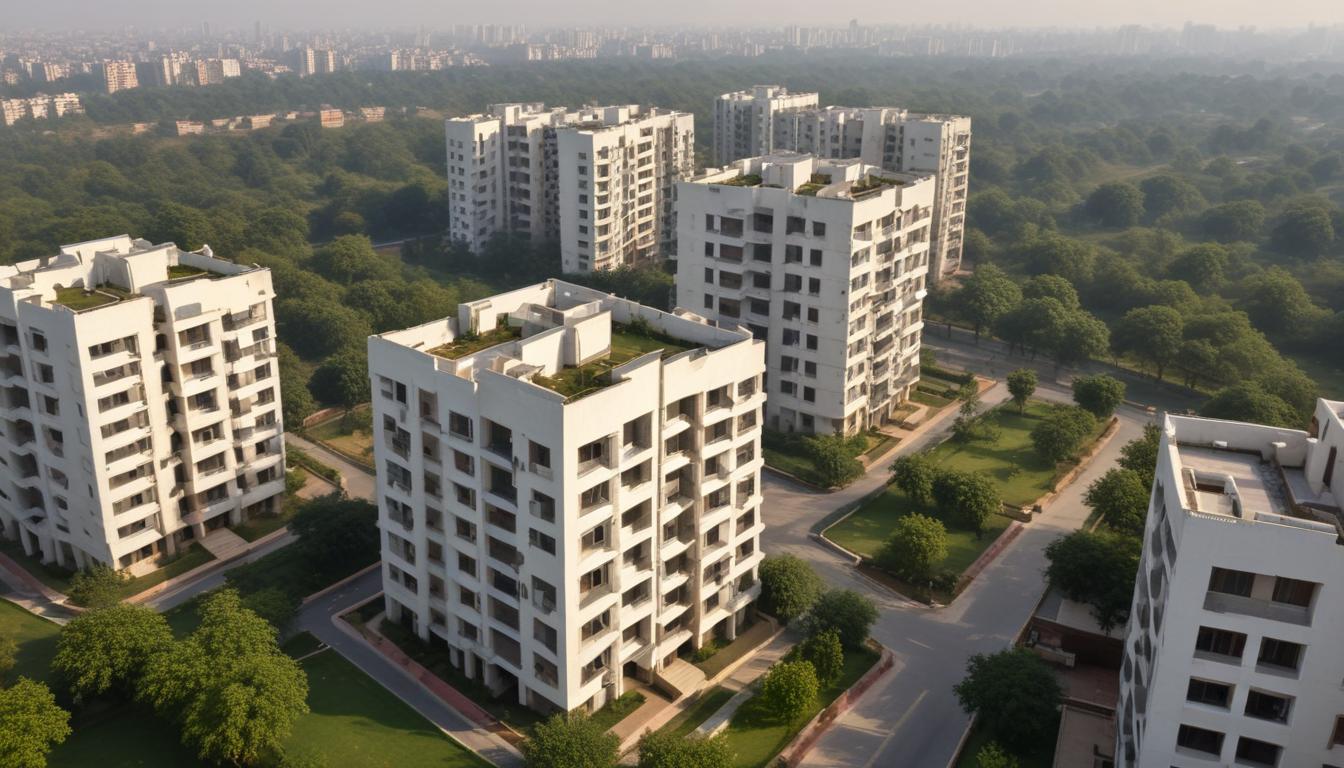
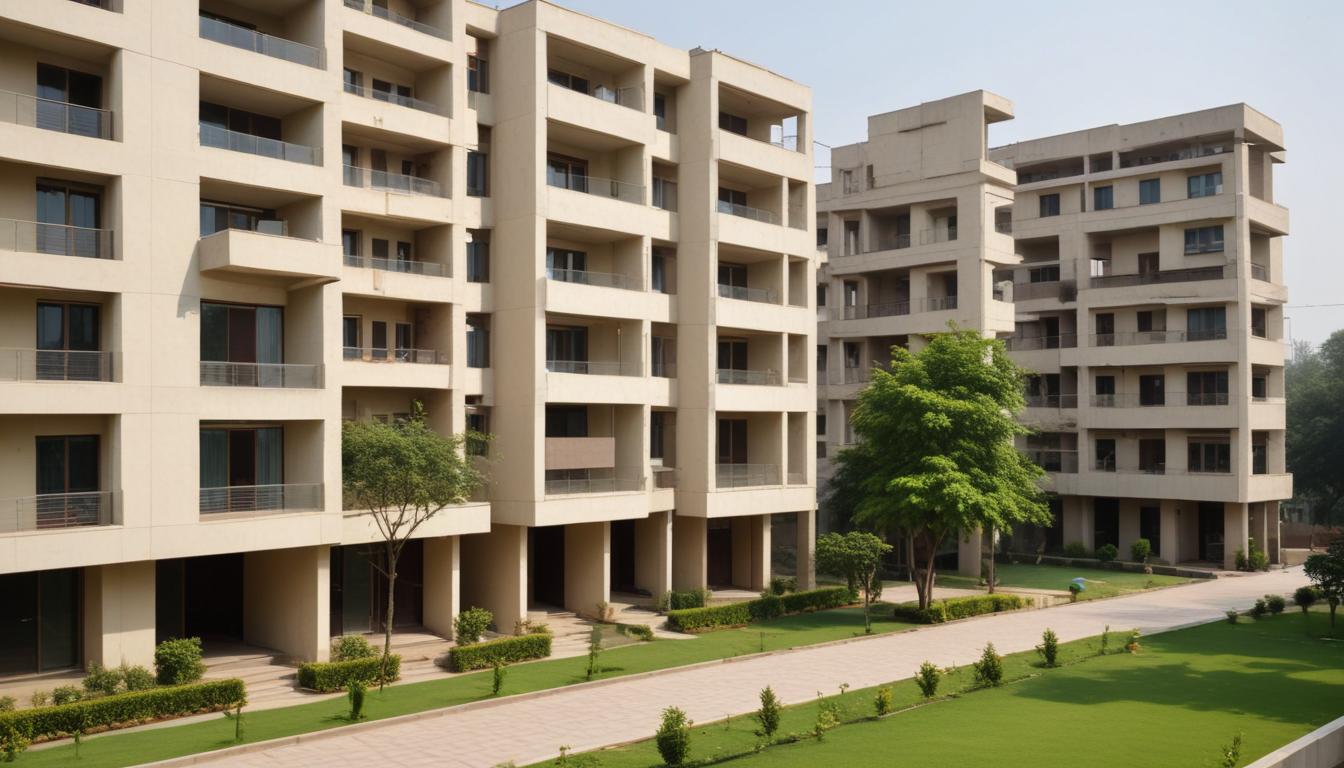
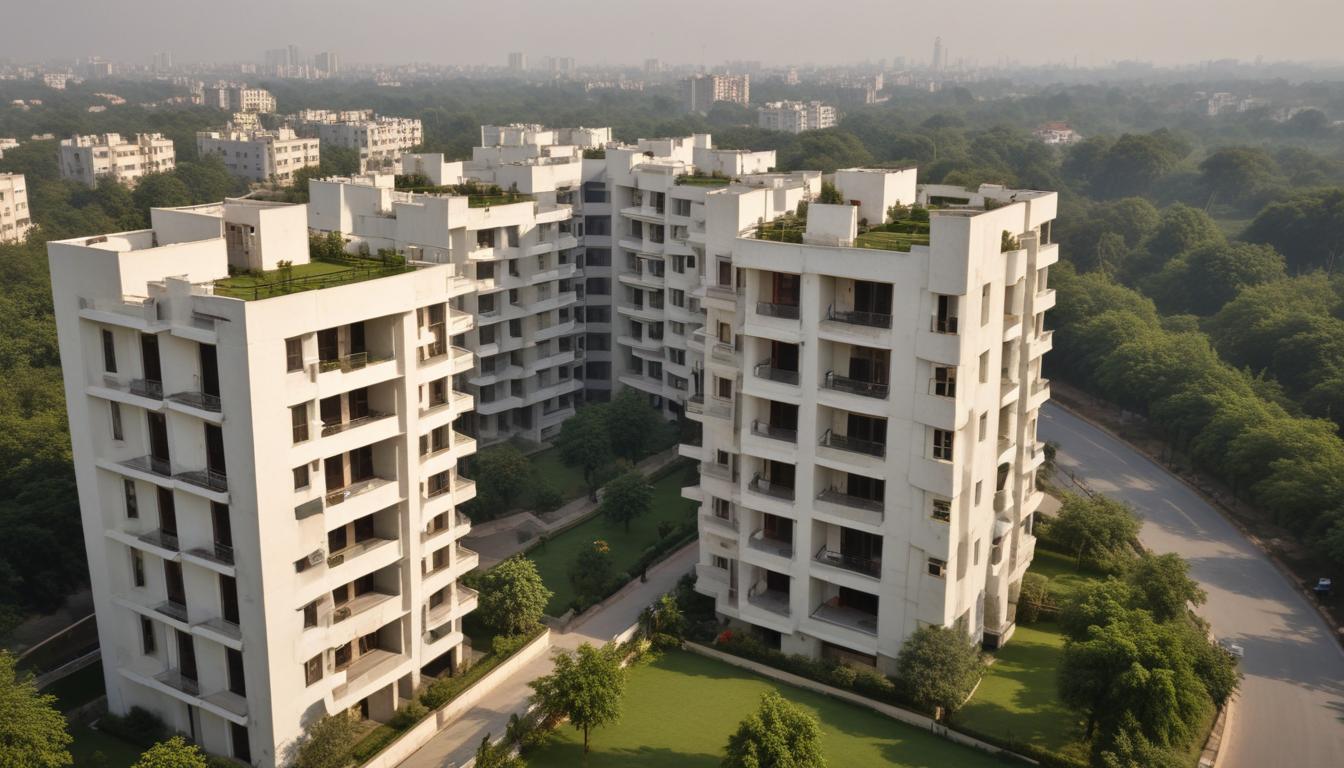
Five years ago, Dwarka was shorthand for affordable family housing on Delhi's periphery. Today, the 24-sector expanse stretching toward the Outer Ring Road is quietly rewriting the city's property investment playbook, with prices climbing 35–40% since 2022 and institutional money flowing in at rates that rival South Delhi's traditional premium neighbourhoods.
The shift has been seismic. Average property values in central Dwarka now hover around INR 7,200–8,500 per square foot—a dramatic compression of the city's traditional INR 8,000+ benchmark—while maintaining significantly lower entry costs than Gurgaon's comparable micro-markets. A 2-BHK in Sectors 8 or 10 that fetched INR 65 lakh three years ago now commands INR 85–95 lakh. Senior apartments and plot-based schemes in Sectors 12 and 21 have seen even sharper appreciation.
What's driving the momentum? Infrastructure. The Dwarka corridor's proximity to the Delhi Airport via the new expressway has shaved commute times dramatically. The Western Peripheral Expressway and ongoing metro extensions—particularly Phase IV planning touching Sectors 18 and 24—have unlocked new mobility vectors that weren't viable even 24 months ago. DLF's ongoing residential and commercial projects in adjoining sectors, alongside Ansals and M3M developments, have legitimised Dwarka as a destination for quality construction and lifestyle amenities, not just cost-saving.
Commercial activation is another accelerant. Retail clusters around Sector 21 and the emerging business parks near Sector 37 are attracting young professionals and entrepreneurs. Co-working spaces, multiplexes, and restaurants have proliferated along the main arterials, softening Dwarka's previous reputation as purely residential. This mixed-use evolution typically precedes sustained price appreciation.
Investors watching Delhi's property cycles recognise the pattern. When institutional infrastructure arrives before saturation pricing, the investment window remains genuinely open. Unlike established South Delhi enclaves where every square foot is already capitalised into buyer psychology, Dwarka still rewards early positioning—particularly in emerging sub-sectors like Sectors 14, 16, and 25, where land banks remain available and developer activity is accelerating.
The risks are familiar: density pressures, water availability, and construction quality variability across smaller developers. But the fundamentals—strategic location, improving connectivity, rising commercial activity, and a young demographic base—suggest Dwarka's emergence as an investment hotspot is not cyclical hype. It's structural repositioning. For investors accustomed to Delhi's traditional premium geography, the margin of safety here remains compelling.
This article was compiled by AI from the sources linked above and screened before publishing. See our editorial standards.