How New Development Projects Are Reshaping Delhi's Rental Market Vacancy Crisis
Major residential launches along metro corridors are flooding supply—but choice neighbourhoods remain tight as tenants hunt for value.
Major residential launches along metro corridors are flooding supply—but choice neighbourhoods remain tight as tenants hunt for value.
Delhi's rental market is experiencing a peculiar paradox. While citywide vacancy rates hover near 8–10%, a surge of new residential projects from Gurugram to Noida's Sector 62 is fundamentally reshaping where tenants can actually find affordable, modern housing. The question isn't whether apartments are available—it's whether they're in the neighbourhoods people want, at prices they'll accept.
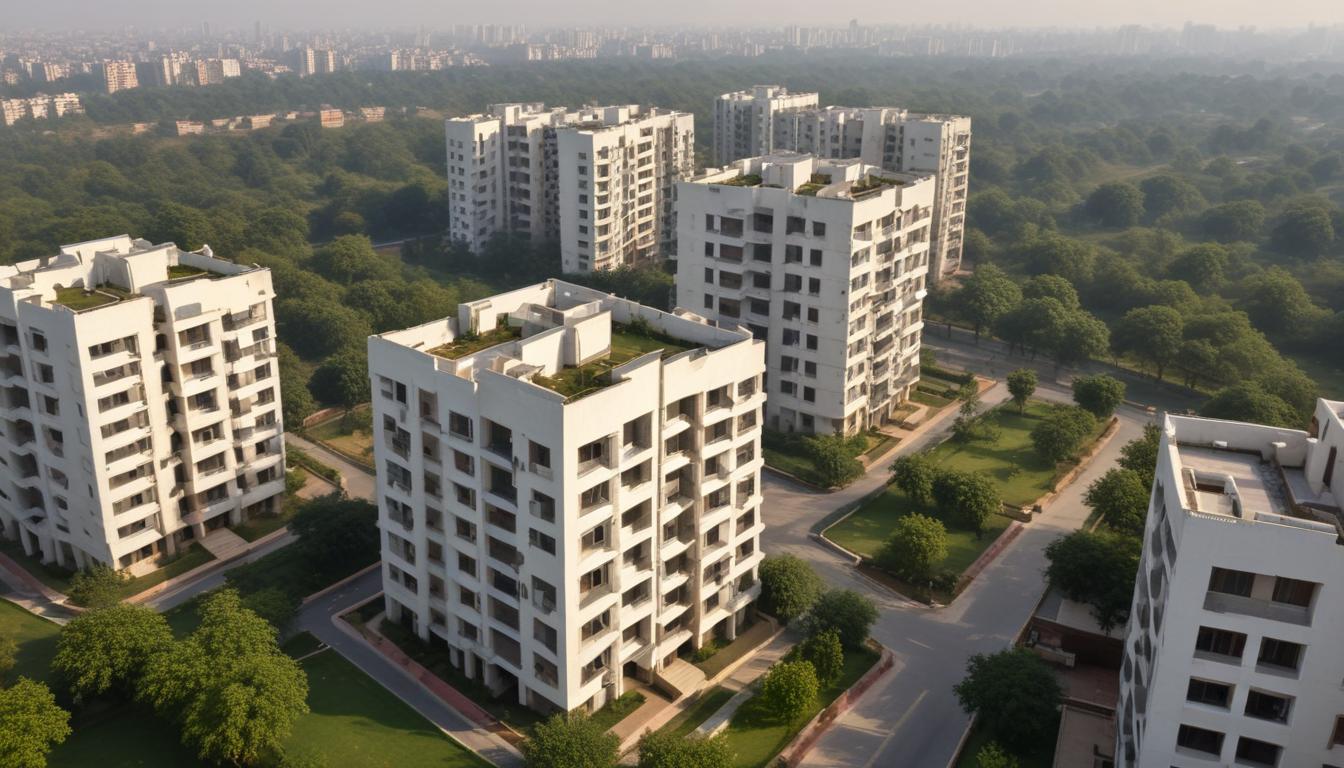
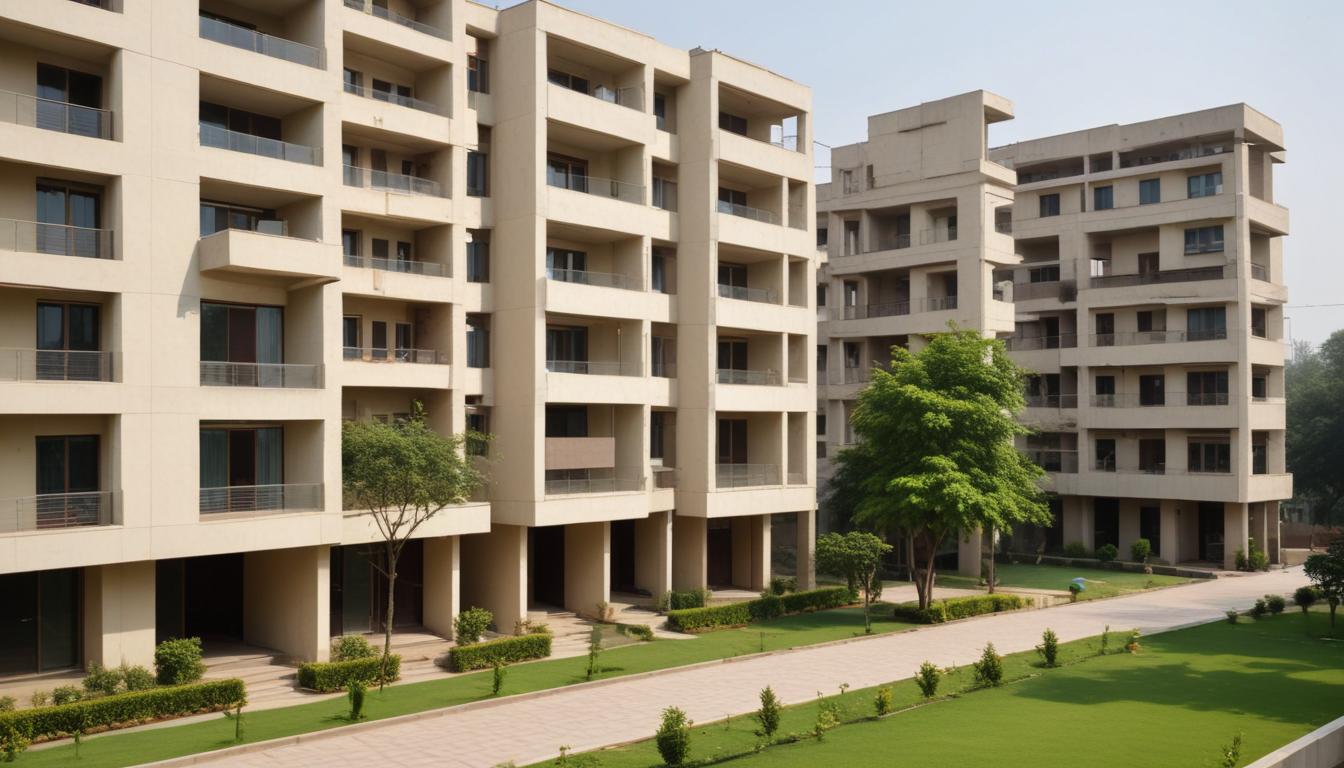
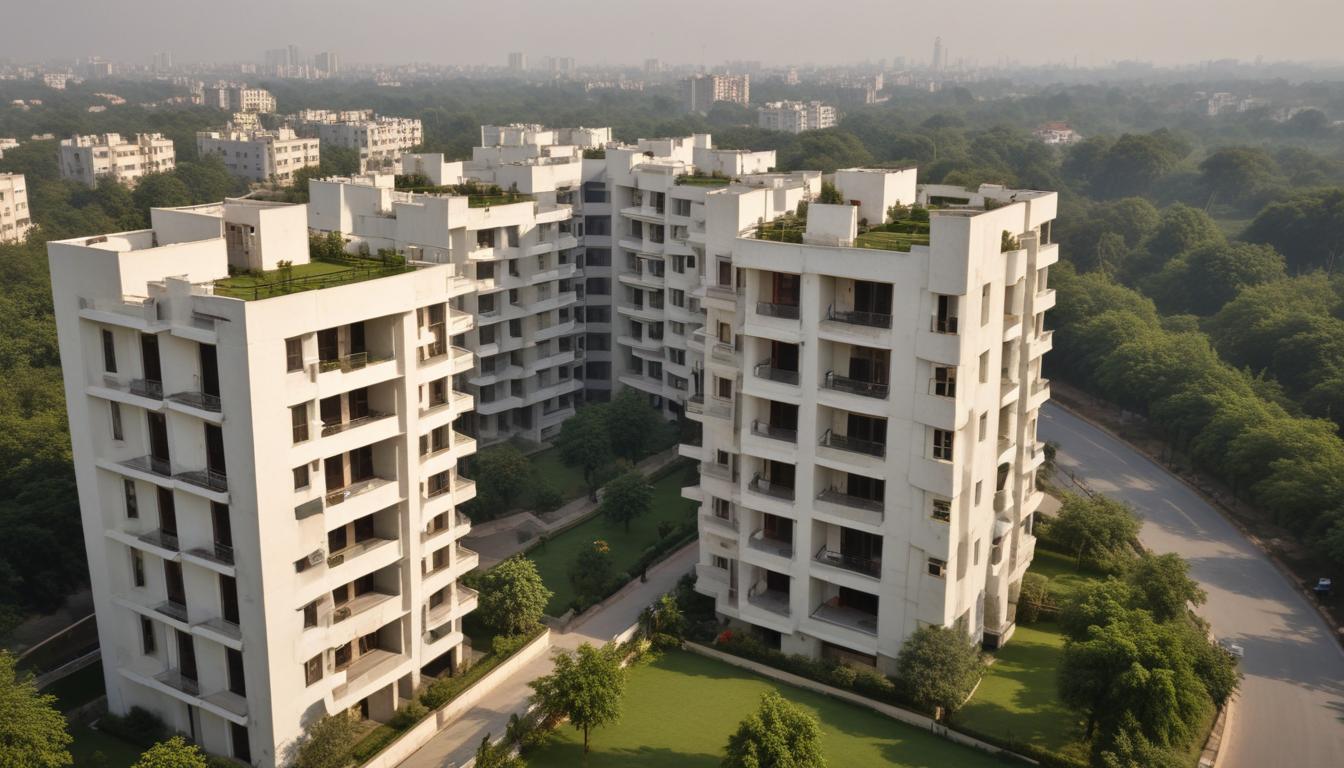
The catalyst is clear: major developers including DLF, Godrej Properties, and Prestige are launching over 12,000 residential units across the NCR region in 2026. Along the Delhi Metro's Yellow and Blue Lines, particularly near Rajiv Chowk, Dwarka Sector 21, and Noida City Centre, new-build rental inventory is climbing sharply. These projects offer modern amenities—gym facilities, co-working spaces, and 24-hour security—at rents starting from INR 18,000–22,000 monthly for a 1BHK, roughly 25% below comparable South Delhi stock.
Yet South Delhi's established enclaves—Defence Colony, Vasant Kunj, and Greater Kailash—remain tightly held. Average rents here exceed INR 35,000–45,000 for similar units, with vacancy rates below 4%. The supply crunch reflects both limited new construction in these premium zones and strong tenant demand anchored by embassies, corporate offices near Connaught Place, and institutional anchors.
For tenants, the practical implication is migration. Young professionals and startups are increasingly bypassing South Delhi in favour of newly developed micro-markets. Gurgaon's Golf Course Extension Road and Noida's Sector 150 now attract renters seeking value without sacrificing connectivity. The Delhi Metro's continued expansion has made commute times to central business districts—Nehru Place, Cyber City in Gurugram—predictable and acceptable.
Property consultants report a 15–20% uptick in rental enquiries for properties launched post-2024, while older stock in peripheral East and North Delhi faces mounting vacancy challenges. Localities like Ecotech Extn-I in Noida, despite being five years old, now compete aggressively on pricing—down to INR 16,000–18,000—to move vacancies.
For landlords with pre-2020 buildings, the message is stark: renovation and repositioning are no longer optional. For tenants, the expanding supply chain means leverage. Negotiation power has shifted noticeably; furnished rental discounts of 10–15% are now commonplace in mid-tier developments, unthinkable two years ago.
The trajectory suggests Delhi's rental crisis will ease—but unevenly. Premium zones will remain supply-constrained; newer corridors will see temporary oversupply before stabilising. Smart tenants are using this window to secure modern, well-located housing at historically competitive rates.
This article was compiled by AI from the sources linked above and screened before publishing. See our editorial standards.
How does this story make you feel?
Spread the word
About this article
Published by The Daily Delhi
Daily brief
Free, in your inbox before 7am. Weekdays.
More in Property