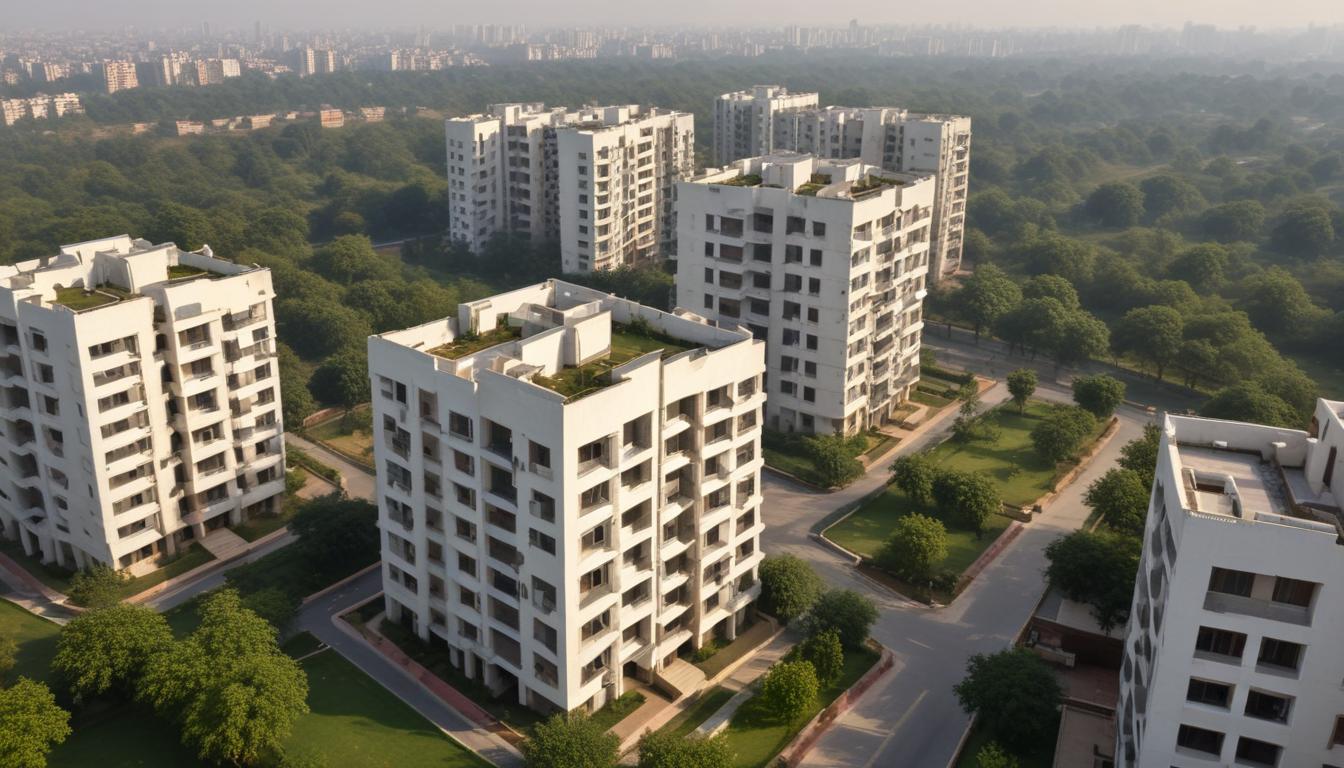
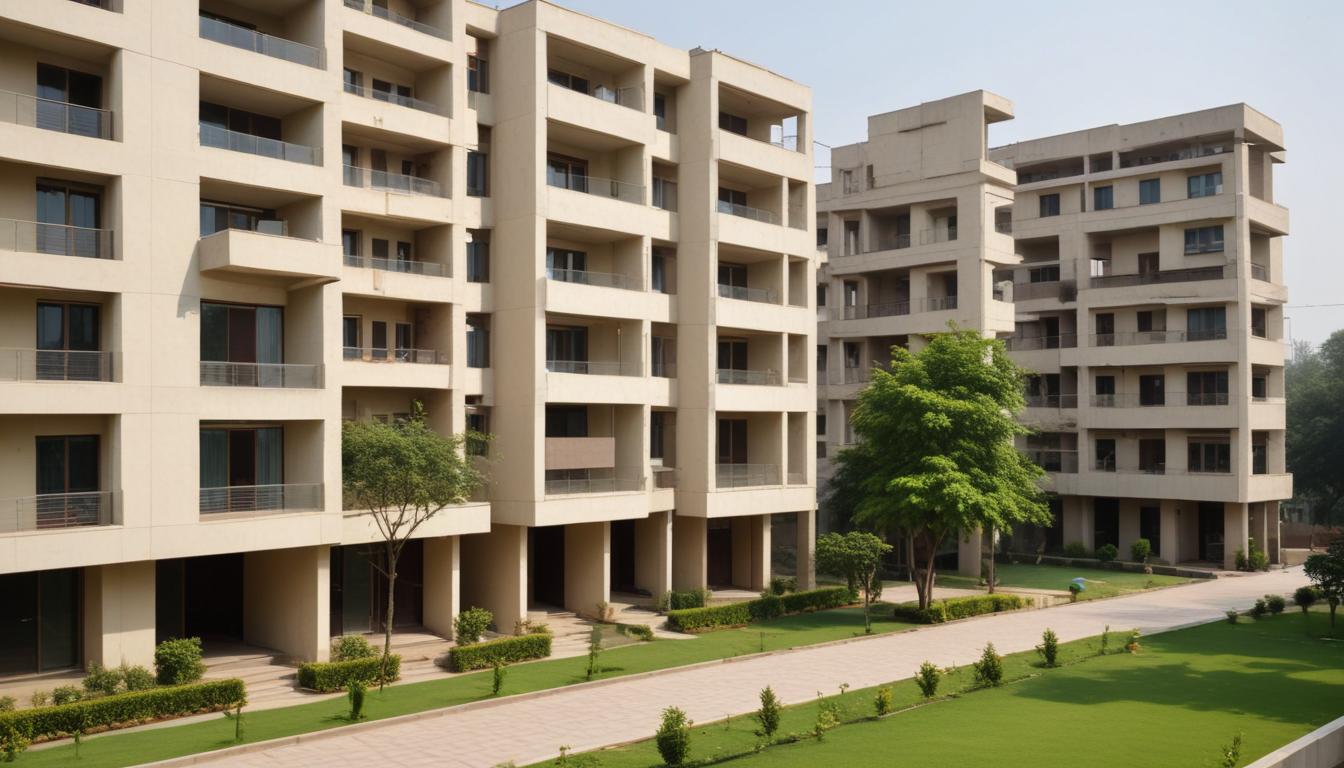
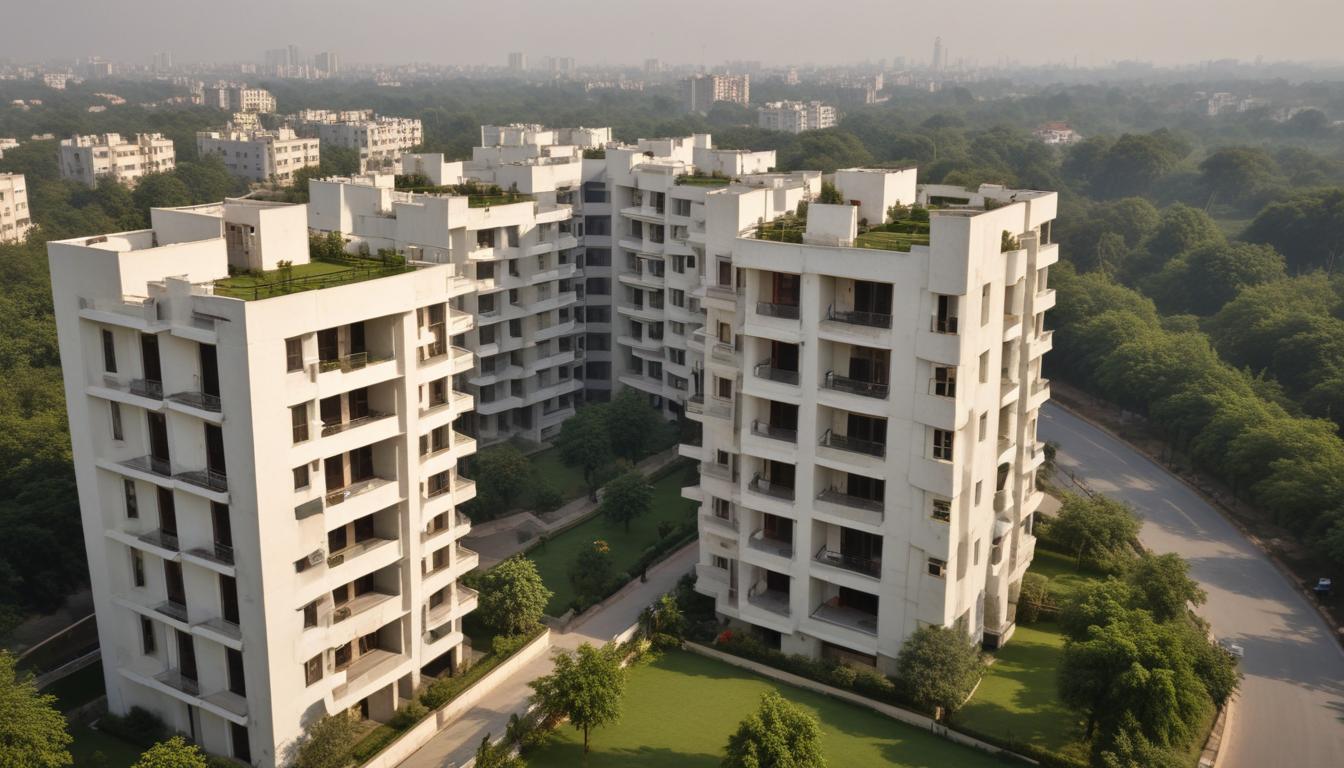
Delhi's rental market is tightening faster than many first-time buyers anticipated. Across South Delhi neighbourhoods like Defence Colony and Greater Kailash, monthly rents have climbed 12-15% year-on-year, while Gurgaon's premium corridors along Golf Course Road are seeing similar pressure. For tenants stuck in costly rental cycles, the argument for ownership—bolstered by government grants and favourable financing—has never been stronger.
The ground reality reveals a widening gap. A two-bedroom apartment in Vasant Kunj now commands ₹45,000-₹55,000 monthly, while comparable properties in emerging zones like Dwarka or Greater Noida fetch ₹25,000-₹35,000. For a tenant paying ₹50,000 annually in rent alone, the prospect of building equity through ownership becomes compelling—especially with interest rates holding steady and first-time buyer schemes offering meaningful support.
Government initiatives play a direct role here. The Delhi government's Pradhan Mantri Awas Yojana subsidy can reduce effective borrowing costs by 2-3%, while additional property tax waivers for new homebuyers in certain zones offset early ownership costs. The Credit Linked Subsidy Scheme further chips away at principal amounts for those earning under ₹18 lakh annually—a demographic increasingly squeezed by rent inflation in areas like Lajpat Nagar and Karol Bagh.
For landlords, the dynamic cuts both ways. Regulatory pressures—including Delhi's rent control frameworks and mandatory deposits—have reduced investment appetite. Many traditional landlords near metro corridors like the Blue Line extension are seeing marginal returns, encouraging portfolio rotation toward premium developments by DLF and Godrej near Sector 92 Noida, where yields remain attractive.
Banks have responded to this shift. HDFC, ICICI, and Axis now extend loans up to 90% of property value for first-time buyers aged 25-35, with tenancy histories favoring approval odds. Processing times have compressed to 10-12 days from 30 days two years ago, making the path from renting to owning smoother than it's been.
The net effect: rental market stress is accelerating migration toward ownership. Across DLF City phases, Lodhi Colony upgrades, and Noida's tech corridors, first-time buyer uptake has surged 18% since early 2025. For Delhi's young professionals caught between landlord rent hikes and limited savings, grants and competitive financing are proving the bridge between tenant and homeowner—reshaping property dynamics from the ground up.
This article was compiled by AI from the sources linked above and screened before publishing. See our editorial standards.