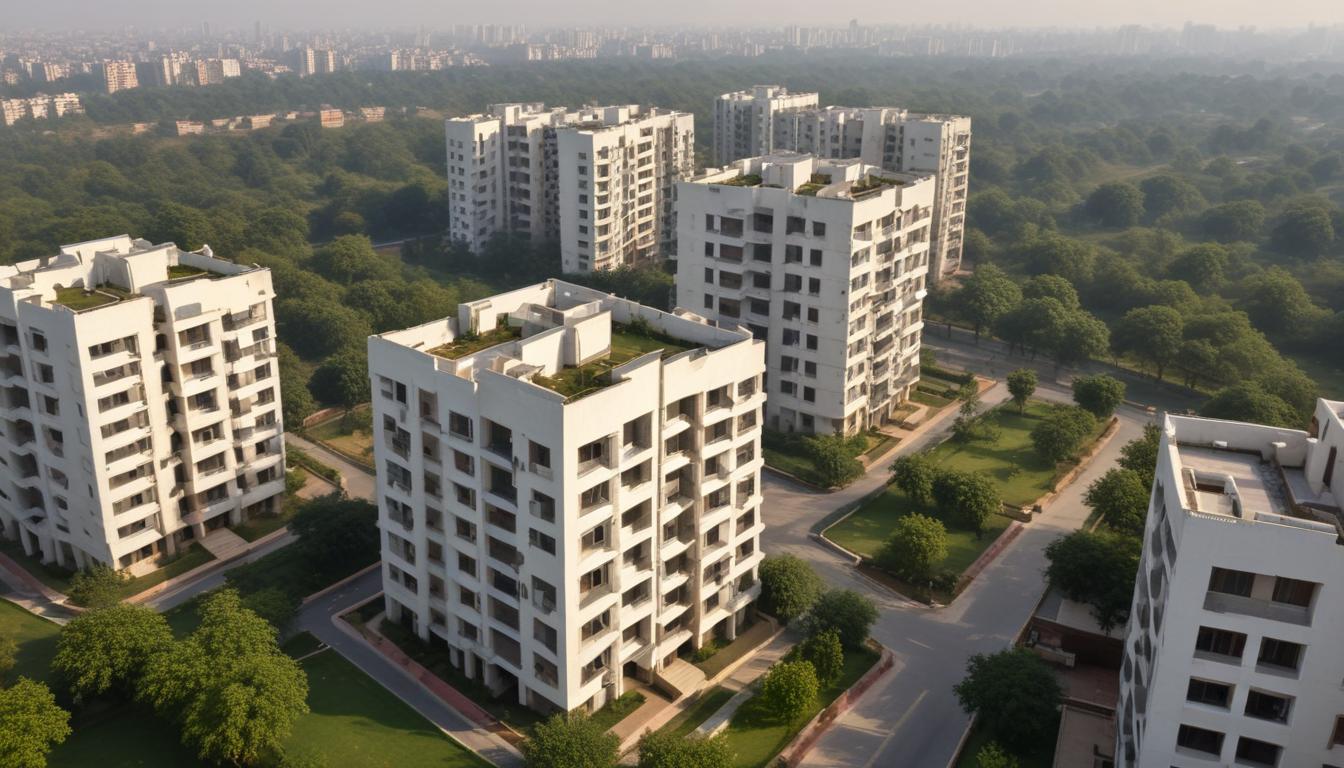
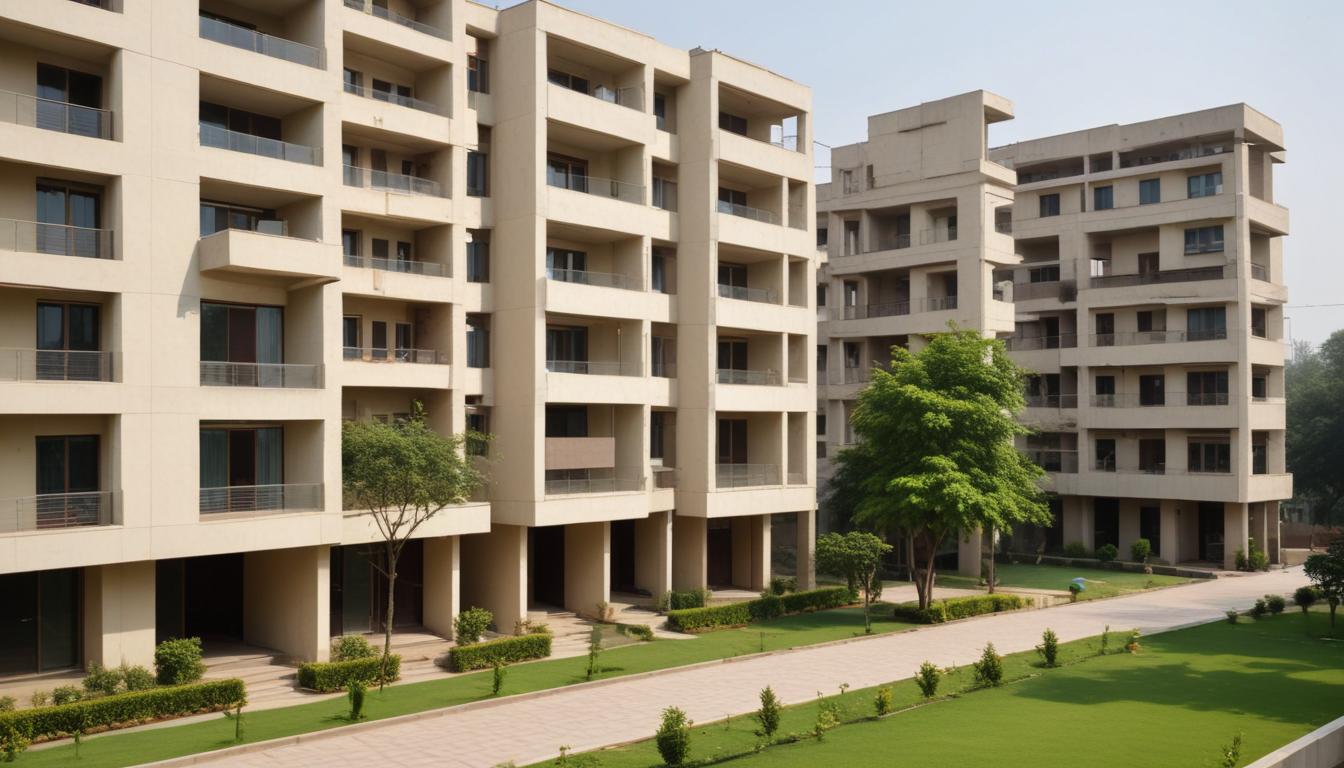
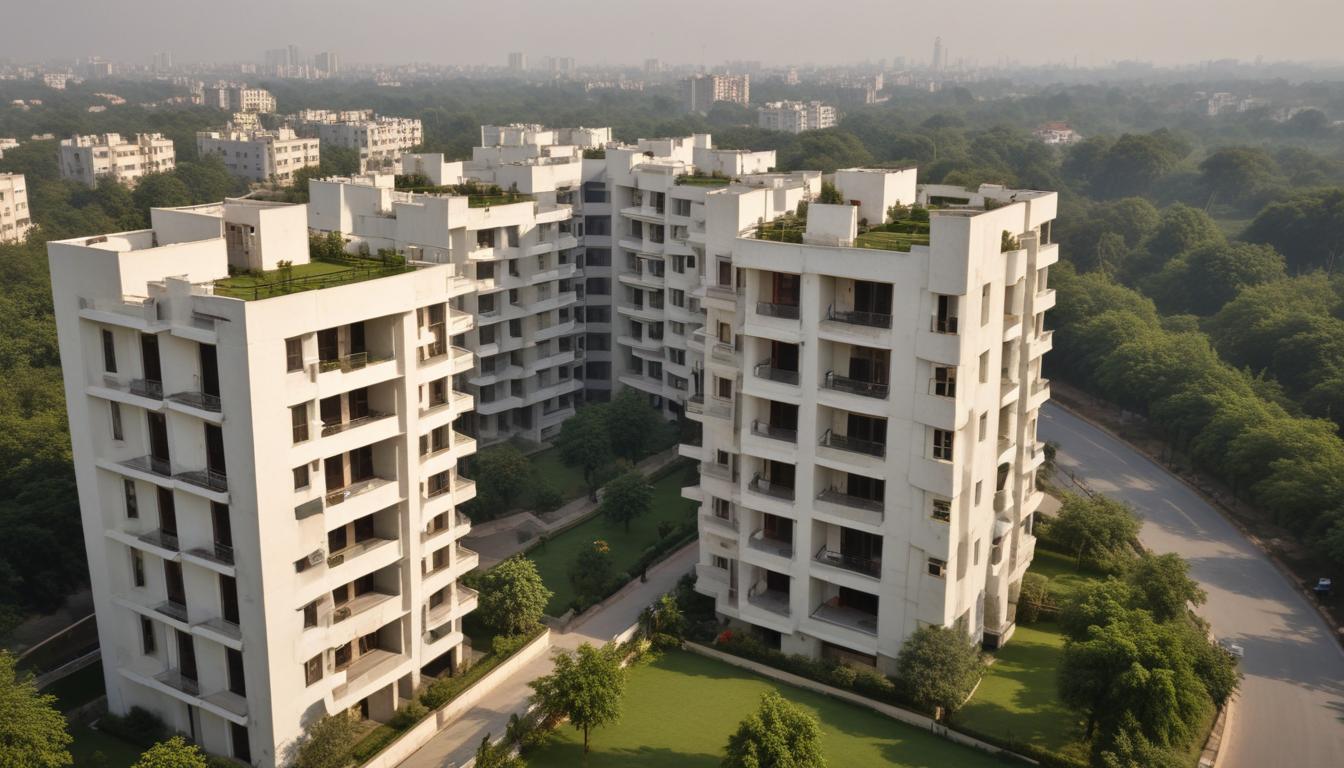
Delhi's property market is experiencing a construction renaissance. New residential approvals have surged across the National Capital Region, with developers fast-tracking projects in high-connectivity zones. Yet prices are rising faster than units are coming online—and understanding why matters if you're buying now.
The metro effect remains potent. Projects along the extended Delhi Metro corridors—particularly near Janakpuri West, Dwarka, and the upcoming phases toward Badarpur—are commanding premiums of 12–18% over non-metro-adjacent developments. A 2-bedroom apartment in Dwarka's newer phases now averages ₹75–85 lakh, compared to ₹8,000 per square foot citywide. Buyers are betting on last-mile connectivity and planned infrastructure, driving pre-launch sales before construction completion.
South Delhi remains the outlier. Even as new approvals tick up in Mehrauli and Vasant Kunj's peripheral zones, the supply-demand equation favours developers. Ready inventory in established pockets like Greater Kailash and Hauz Khas remains thin, pushing resale prices upward. New developments here are targeting ₹1.5–2.5 crore for 3-bedroom units—reflecting scarcity, not just construction costs.
The Gurgaon-Noida corridor is fragmenting. Gurgaon's Sector 65, 66, and 67 are absorbing bulk approvals from DLF, M3M, and Godrej, with prices holding steady at ₹95 lakh to ₹1.2 crore for comparable units. Noida's Sector 150 and 151, however, are undergoing rapid densification, and newer launches here are priced 15–20% lower—a buffer for price-conscious buyers, but also a warning about future supply gluts.
What's driving the spike? Construction costs have climbed 8–10% year-on-year due to steel and cement inflation. Land acquisition costs in approvals-heavy zones have doubled since 2023. Developers are front-loading pre-launch sales to fund construction, creating artificial urgency. And with interest rates holding steady, FOMO—fear of missing out on price appreciation—is real.
Smart buyers should ask hard questions now. First: is approval recent, or pending municipal clearance? Delays in transferring approvals to final completion can stretch timelines by 12–24 months. Second: what's the actual construction start date? Many projects are selling on approvals alone, with no ground broken. Third: location within the project matters—facing roads, green spaces, and parking ratios aren't equal.
The regulatory environment is tightening. The Delhi High Court's recent focus on illegal conversions and unauthorized construction has slowed some launches. Buyers should verify Occupancy Certificates (OCs) for completion clarity and avoid developers with pending environmental or labour violations.
Bottom line: new construction is driving Delhi's growth, but it's not a race. Wait for genuine progress updates, not just sales promises.
This article was compiled by AI from the sources linked above and screened before publishing. See our editorial standards.