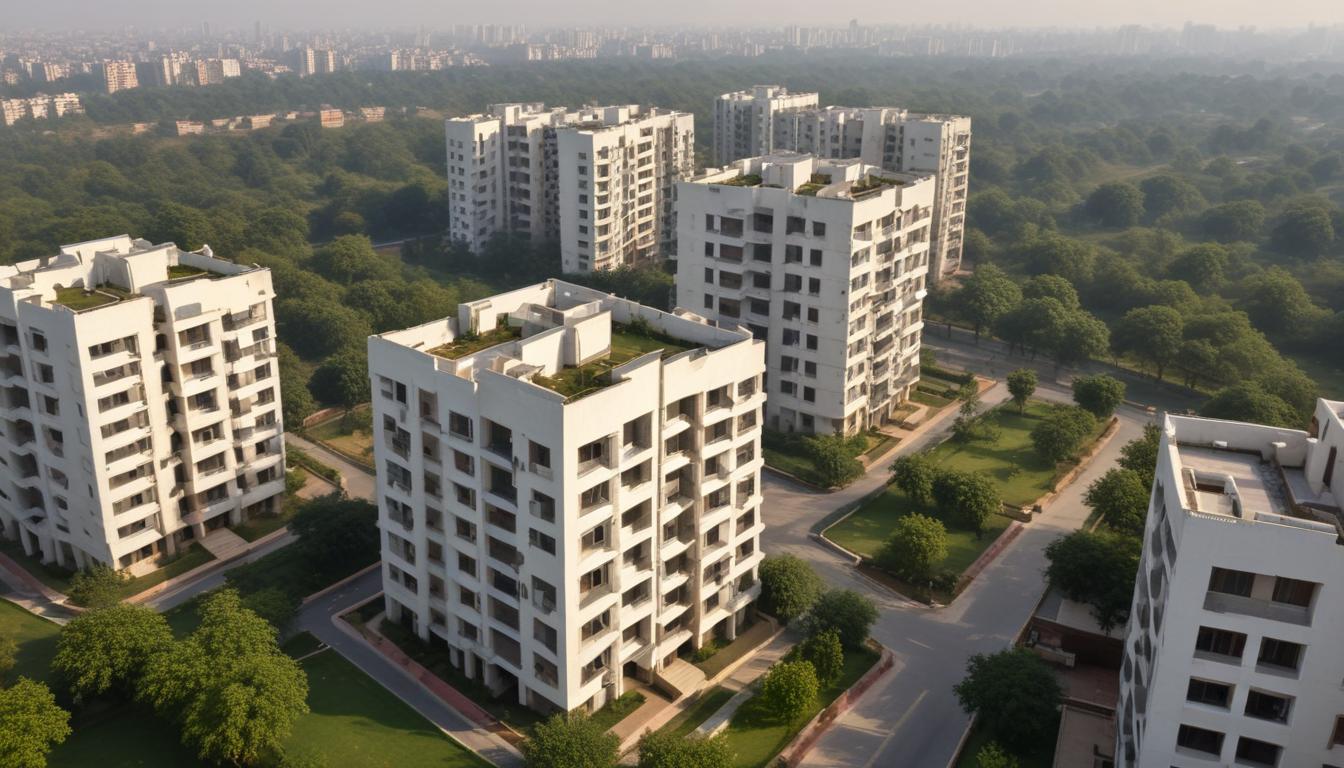
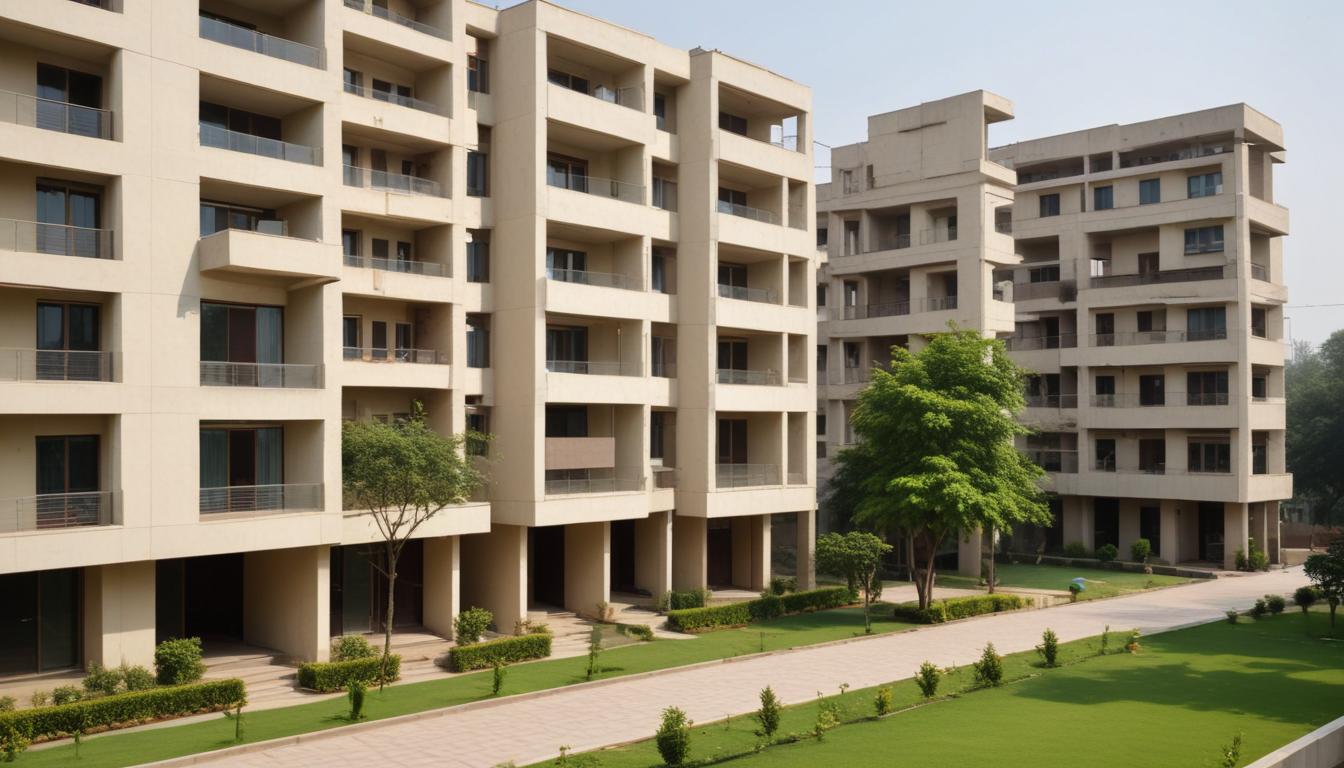
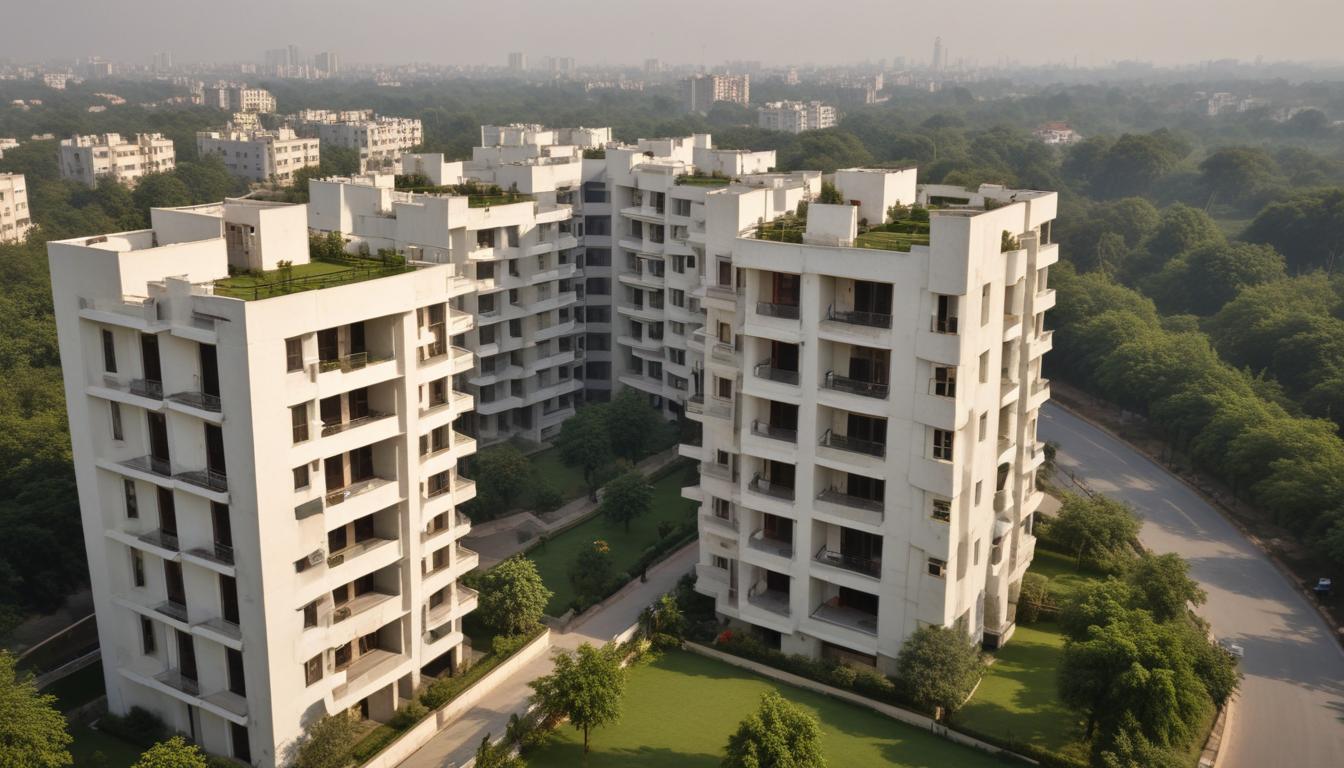
Delhi's luxury property market has entered a new phase. While the broader residential sector hovers around ₹8,000 per square foot, premium addresses in South Delhi—Lutyens' Delhi, Greater Kailash, Defence Colony, and the rapidly appreciating Aravalli foothills near Chhatarpur—are commanding ₹15,000 to ₹25,000 per square foot, with trophy properties touching ₹40,000. The gap isn't accidental. It reflects a fundamental shift in what wealthy buyers value and where capital is flowing.
Three forces are converging to drive this divergence. First, metro corridor expansion—particularly the extension towards Dwarka and the proposed Aerocity-Noida link—has triggered a secondary wave of development in adjacent NCR zones like Gurgaon's Golf Course Extension Road and Sector 56. This infrastructure lift has made peripheral luxury viable, yet simultaneously tightened the grip on Central Delhi's established pockets. When supply contracts, prices accelerate. Second, institutional investors and NRI capital are no longer chasing yield alone. They're buying legacy. Properties along Rajpath, overlooking the Ridge Forest, or with heritage proximity command premiums that reflect cultural value, not just square footage. A 5,000-sqft villa in Defence Colony now routinely achieves ₹10–12 crore, a 40% surge since 2023. Third, Delhi's regulatory environment has stabilised. Post-RERA clarity and streamlined registrations through e-services have restored confidence among ultra-high-net-worth buyers who previously hedged through real estate investment trusts or commercial property.
What should discerning buyers know? First, liquidity remains selective. A ₹5 crore property in Lutyens' Delhi will find a buyer within 6–9 months; a ₹15 crore trophy asset may take 18. Second, the NCR arbitrage isn't dead—DLF's ongoing projects in Sector 102, Gurgaon, and Godrej's developments in Sector 89 offer modern luxury at 30–40% discounts to equivalent South Delhi addresses, though without the heritage premium. Third, ancillary infrastructure—schools, hospitals, fine dining—now commands pricing weight. Proximity to Max Healthcare, Delhi Public School, and the Khan Market retail ecosystem can add ₹1,000–2,000 per square foot. Finally, the monsoon and festive season traditionally see heightened transaction activity; June through August is tactically quieter, offering negotiating room for patient buyers.
The luxury market isn't irrational exuberance. It reflects genuine structural constraints—limited land, rising construction costs, and a deepening wealth gap that pushes high-income households toward branded, secure communities. For buyers entering now, understand your true motivation: appreciation potential, lifestyle amenity, or legacy preservation. Each commands a different entry strategy.
This article was compiled by AI from the sources linked above and screened before publishing. See our editorial standards.