Delhi's Rental Market Faces Reckoning as New Zoning Rules Reshape Vacancy Landscape
Policy overhaul targeting unauthorised conversions is forcing landlords and tenants to recalibrate as compliance costs ripple through South Delhi, Gurgaon corridors.
Policy overhaul targeting unauthorised conversions is forcing landlords and tenants to recalibrate as compliance costs ripple through South Delhi, Gurgaon corridors.
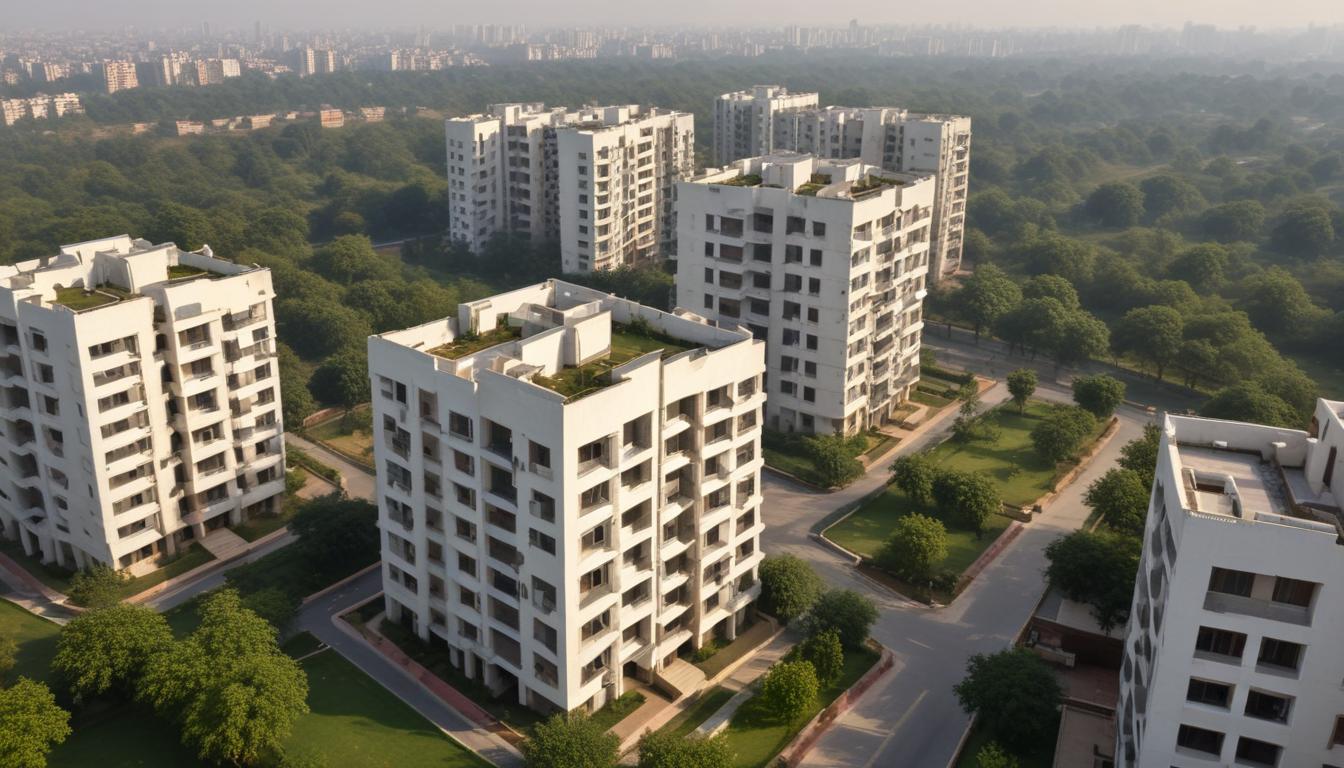
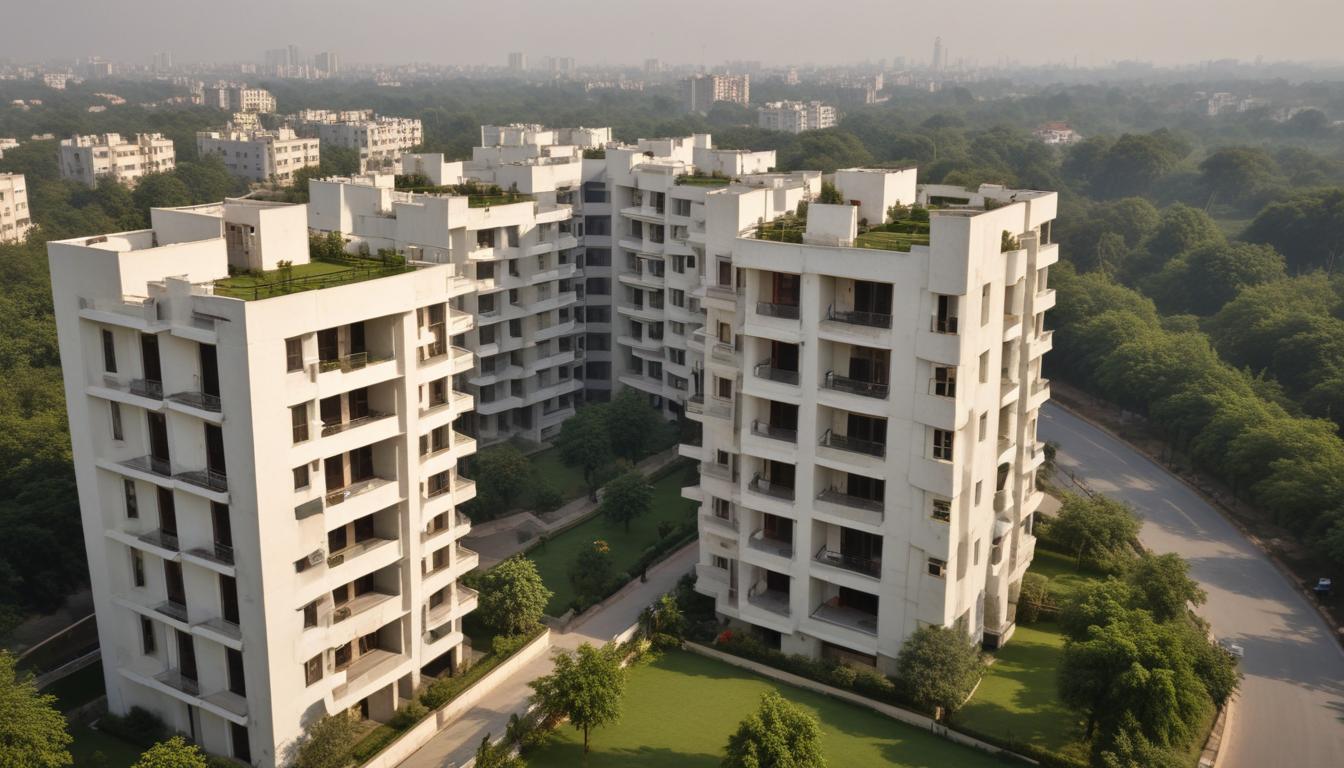
Delhi's rental market is experiencing a subtle but significant shift as new Municipal Corporation zoning regulations—aimed at cracking down on unauthorised residential conversions in commercial zones—begin reshaping vacancy patterns across premium neighbourhoods. The Delhi Development Authority's revised Master Plan 2041 amendments, coupled with stricter enforcement along the metro corridors, have injected fresh volatility into a sector already grappling with historically elevated vacancy rates.
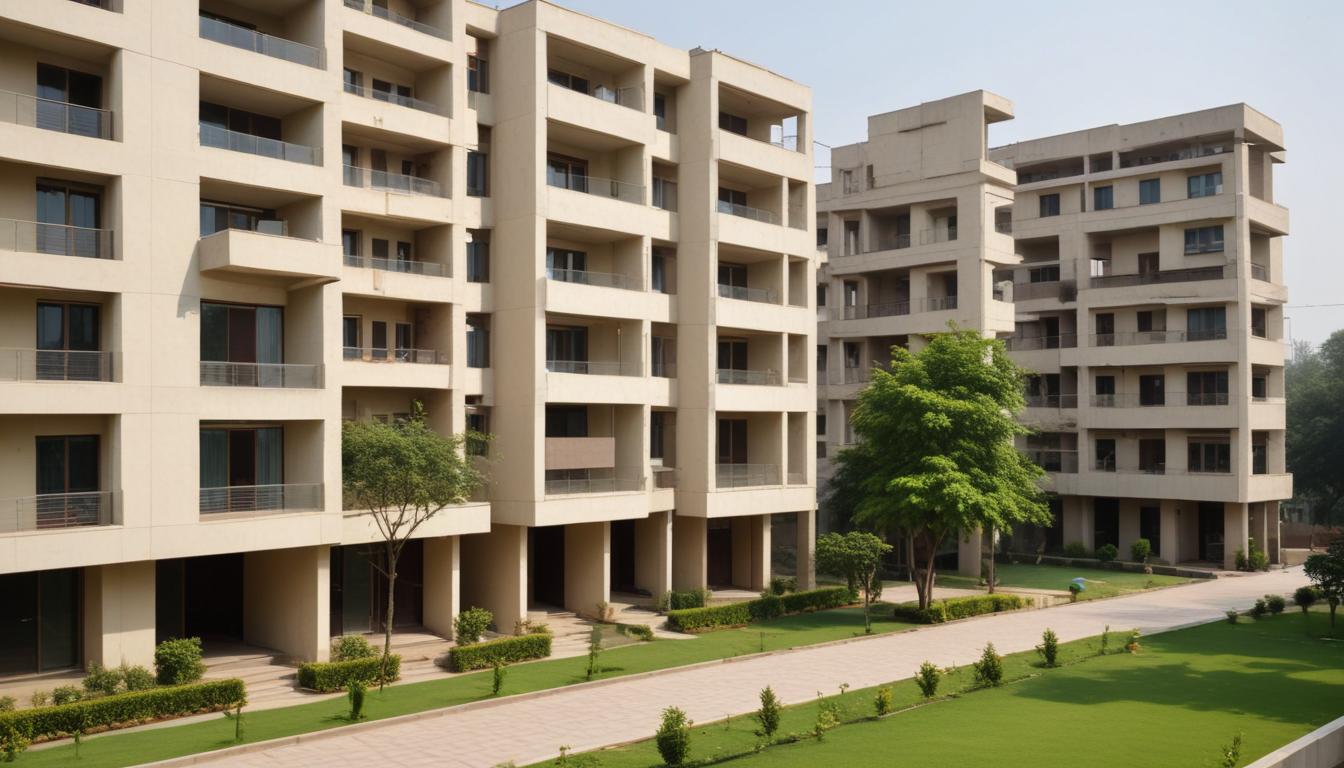
The impact is most visible in South Delhi's premium addresses. Properties in Hauz Khas Village, Vasant Kunj, and Defence Colony—traditionally commanding INR 12,000-15,000 per square foot in rentals—are experiencing extended listing periods as landlords navigate compliance requirements. A property owner converting a commercial unit on Aurobindo Marg into a residential space now faces pressure to either formalise the conversion or vacate tenants within a stipulated timeframe, fundamentally altering the calculus for both sides.
The National Buildings Construction Corporation and DLF's recent residential projects in peripheral zones like Sector 84 in Gurgaon and Noida's Sector 152 are filling faster precisely because they sidestep these regulatory uncertainties. Rental yields there hover around 3.2-3.8 percent annually, compared to South Delhi's 2.8-3.2 percent, making the compliance burden increasingly visible in pricing.
Data points emerging from property registrars suggest Delhi's rental vacancy rate—previously estimated at 8-10 percent in premium zones—may temporarily spike to 12-14 percent through 2026 as landlords resolve legal status. However, this creates counterintuitive opportunities for tenants. Those willing to negotiate longer leases are securing meaningful concessions; some properties near IIT Delhi and in Safdarjung Enclave are witnessing 10-15 percent rent reductions compared to mid-2025 rates.
The policy's secondary effect is pushing investment toward Gurgaon's planned sectors and Noida's metro-adjacent corridors, where zoning clarity attracts institutional players. This geographical shift may eventually ease South Delhi's vacancy pressures through natural market rebalancing, though the transition period—likely extending through 2027—will remain volatile.
For tenants navigating this environment, due diligence on building compliance certificates and lease terms now carries outsized importance. For landlords, the message is becoming clear: regulatory alignment, though costly, is increasingly a prerequisite for sustained rental income rather than a discretionary burden.
This article was compiled by AI from the sources linked above and screened before publishing. See our editorial standards.
How does this story make you feel?
Spread the word
About this article
Published by The Daily Delhi
Daily brief
Free, in your inbox before 7am. Weekdays.
More in Property