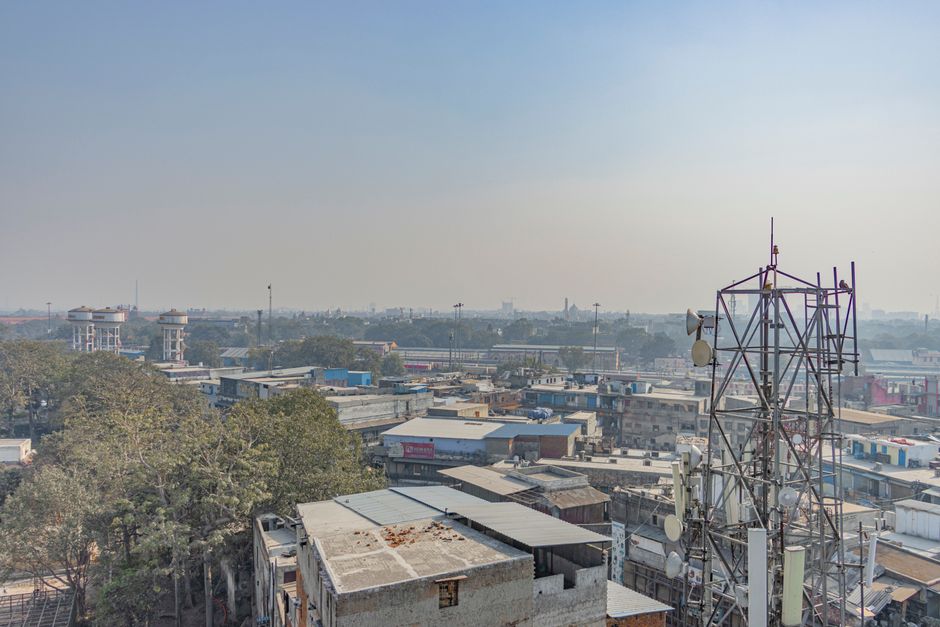
Delhi's rental landscape is flashing contradictory signals, and savvy tenants need to read them carefully. Fresh property auction data from the Delhi High Court and ICICI Property Auctions reveals a market in transition—one where premium neighbourhoods face stubborn vacancies while mid-range corridors experience fierce competition.
Vacancy rates in South Delhi's traditionally sought-after pockets like Greater Kailash, Defence Colony, and Greater Kailash-2 have climbed to 12–15 percent, the highest in three years. Meanwhile, properties in these areas languishing on rental lists for 60–90 days are now common. At an average of INR 120–180 per square foot monthly, landlords here are discovering that premium pricing no longer guarantees quick tenancy. Recent property auctions conducted near Safdarjung Airport and in Vasant Kunj have seen successful sale prices 8–12 percent below asking valuations, signalling underlying softness in asset perception.
The story differs dramatically along metro corridors. Data from judicial auctions across Dwarka, Rohini, and the emerging Noida Expressway corridor shows completion rates above 85 percent—a decade-high. Properties in these zones are attracting investor-tenants at INR 45–65 per square foot, with occupancy cycles shrinking to 20–30 days. This mirrors the broader NCR growth narrative, where Gurgaon-adjacent localities continue capturing migration from central Delhi.
What does this signal for tenants? First, negotiating leverage has returned to premium residential zones. Landlords in South Delhi and East Delhi's posh enclaves are increasingly willing to offer furnished options, flexible lease terms, and even three-month free periods to fill units. A tenant hunting near IIT Delhi or in Hauz Khas can expect material concessions unavailable two years ago.
Second, mid-market rental premiums are consolidating. The INR 8,000 average across Delhi masks sharply divergent trends: while South Delhi has softened 6–8 percent year-on-year, emerging zones have appreciated 12–15 percent. Auction data reinforces this—forced property sales in central Delhi are clearing at lower haircuts than NCR properties, reflecting underlying demand patterns.
Tenant strategy should pivot accordingly. Those flexible on location should explore metro-adjacent Gurgaon and Noida, where inventory is tighter and landlord desperation lower. Conversely, tenants committed to South Delhi can now leverage surplus inventory for better terms. Property portal data from June 2026 shows listed rental inventory up 18 percent in Delhi proper but flat in NCR, cementing the divergence.
The auction market—traditionally a lagging indicator—is confirming what asking prices suggest: the old premium rental model is cracking, while emerging corridors are the new frontier.
This article was compiled by AI from the sources linked above and screened before publishing. See our editorial standards.