Delhi's Auction Block Speaks: What Housing Price Signals Tell Us About Affordable Homes
Recent distressed property sales and PMAY allotments reveal a widening affordability gap—and policymakers are watching closely.
Recent distressed property sales and PMAY allotments reveal a widening affordability gap—and policymakers are watching closely.
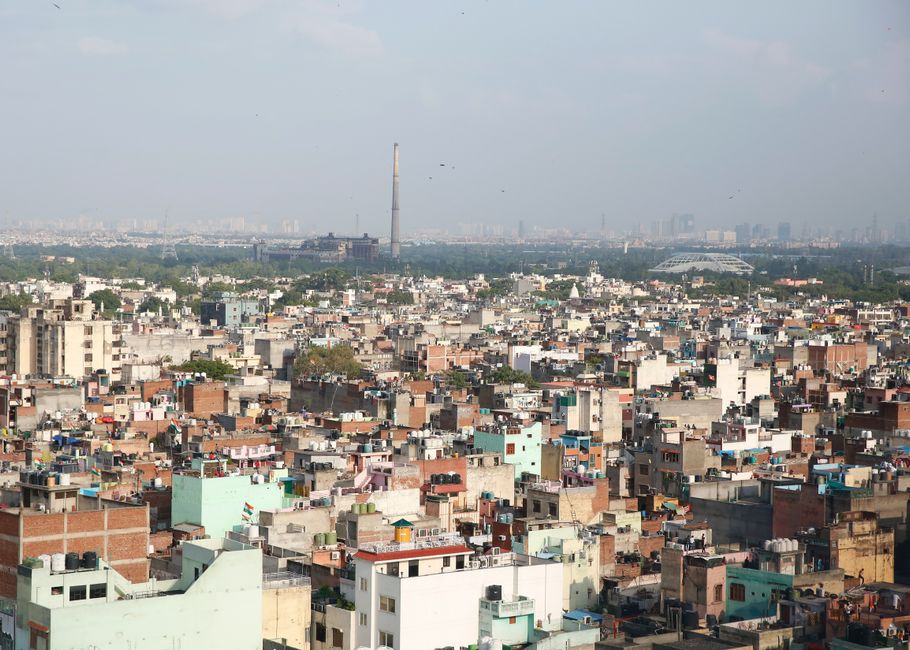
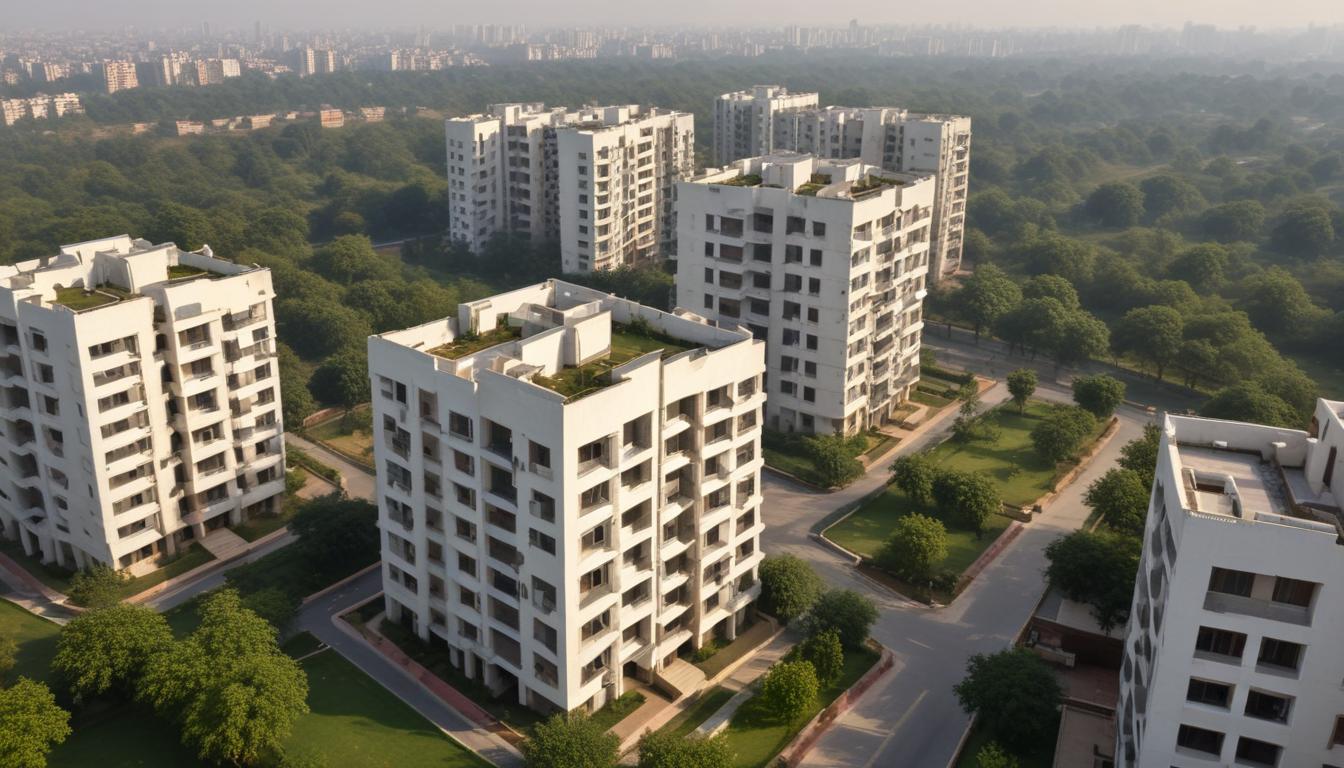
The numbers don't lie. As Delhi's property market has climbed steadily—with South Delhi commanding ₹12,000–₹15,000 per square foot and Gurgaon's metro-adjacent zones touching ₹8,500–₹10,000—the signals from auction blocks and government housing schemes paint a starkly different picture of who can actually afford to live in the capital region.
Recent data from NCDRC and bank-initiated property auctions across East Delhi, Dwarka, and parts of Noida reveal that distressed homes are selling at 15–25% discounts to market rates. A two-bedroom flat in Rohini, listed at ₹65 lakhs in the open market, cleared at auction for ₹52 lakhs. Similar patterns emerged in Sector 62, Noida, where properties fetched ₹6,200 per square foot—well below the neighbourhood's standard ₹7,800. The takeaway: ordinary buyers are being priced out of the formal market entirely.
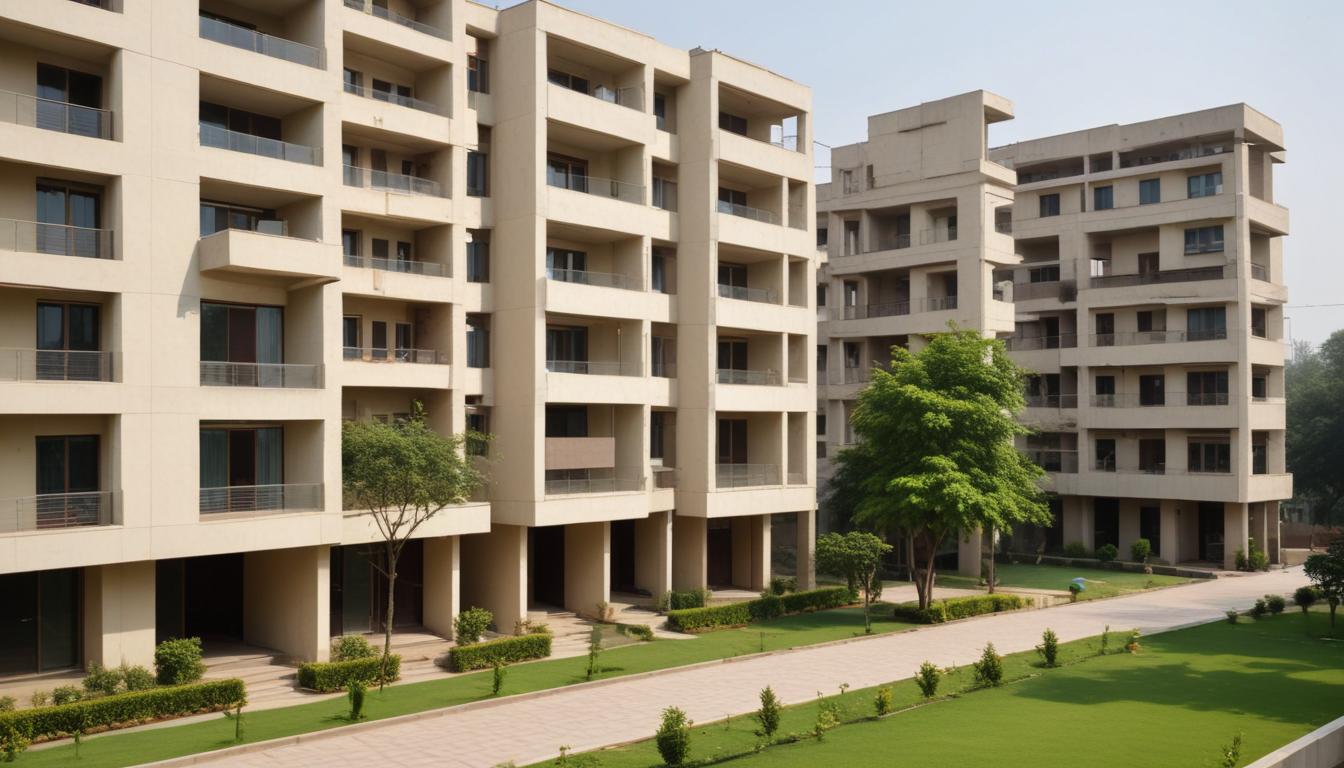
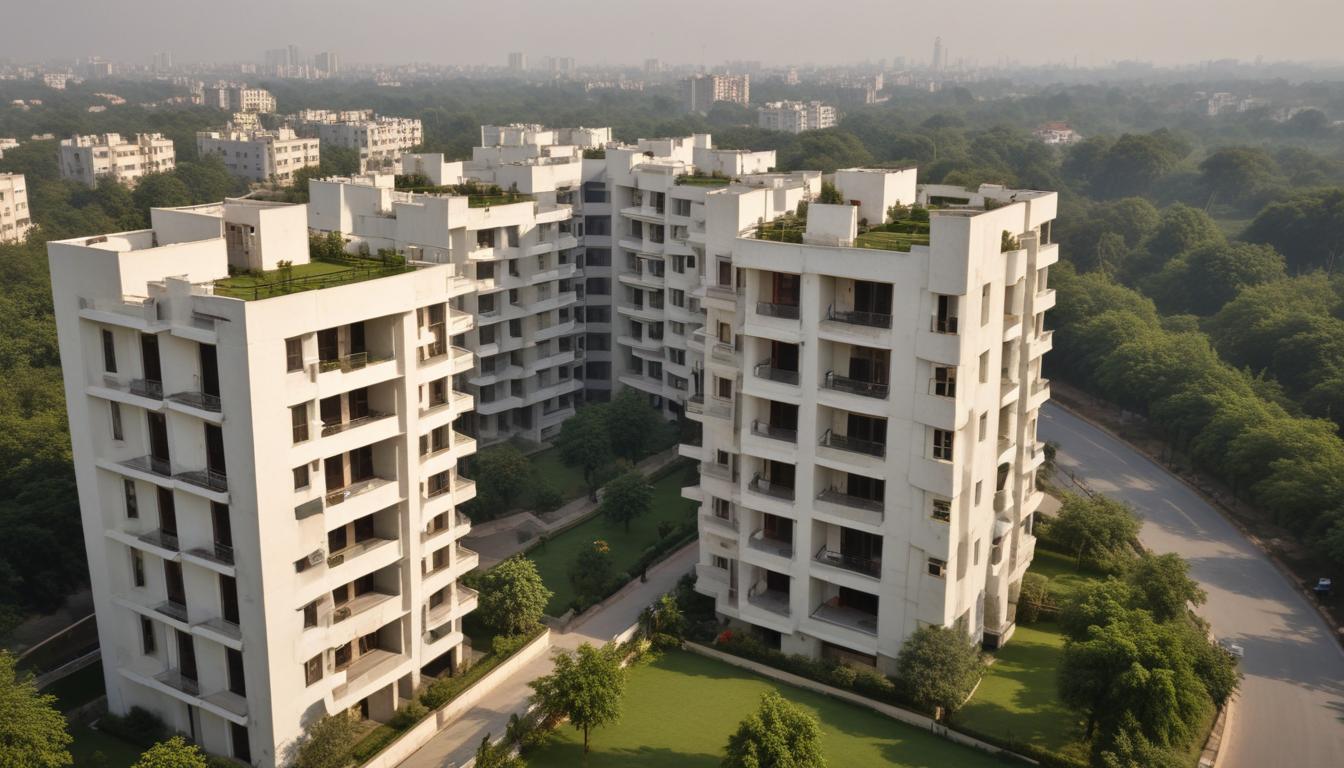
Simultaneously, the Pradhan Mantri Awas Yojana (PMAY) has handed over 18,000+ units across the NCR since 2022, with waiting lists exceeding 90,000 applications. In Narela and Rohini's PMAY clusters, allotted flats carry prices of ₹2,800–₹3,200 per square foot—a stark rebuke to market realities just kilometres away. Yet these schemes reach only a fraction of Delhi's estimated 40 lakh housing-deprived households.
Property experts reading these trends see a policy inflection point. The auction data suggests mounting financial stress among middle-income homebuyers; they're either defaulting or exiting entirely. The PMAY rush—with online lottery systems regularly crashing under application load—signals that demand for affordable housing far outpaces supply.
What's most telling is the geographical compression. While Gurgaon's metro corridors and DLF's premium developments absorb investor capital, affordable pockets are clustering at the periphery: Sector 88A in Noida, Narela extensions, and parts of Dwarka. This concentration risk matters. When affordable housing is siloed in low-connectivity zones, it reinforces the very isolation it aims to remedy.
The Delhi government's recent push for mixed-income colonies—pairing affordable units with market-rate development in zones like Kalkaji and Mehrauli—suggests a shift toward integration. But auction-block reality and PMAY waitlists indicate that incremental policy won't close the gap. The price data is a warning: without aggressive supply-side intervention and cross-subsidy mechanisms, Delhi risks calcifying into a city of haves and have-nots, with the middle squeezed toward the margins.
This article was compiled by AI from the sources linked above and screened before publishing. See our editorial standards.
How does this story make you feel?
Spread the word
About this article
Published by The Daily Delhi
Daily brief
Free, in your inbox before 7am. Weekdays.
More in Property