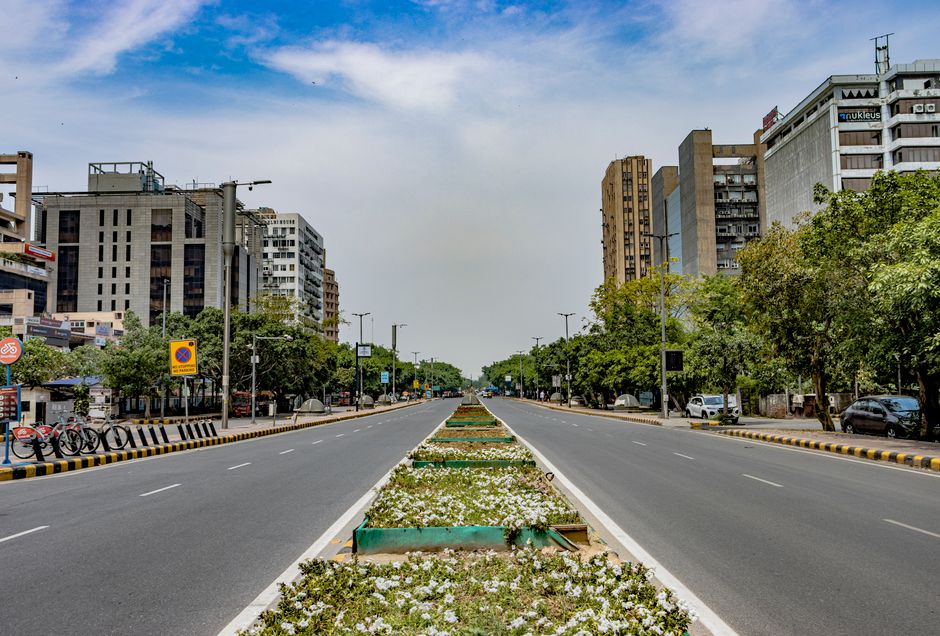
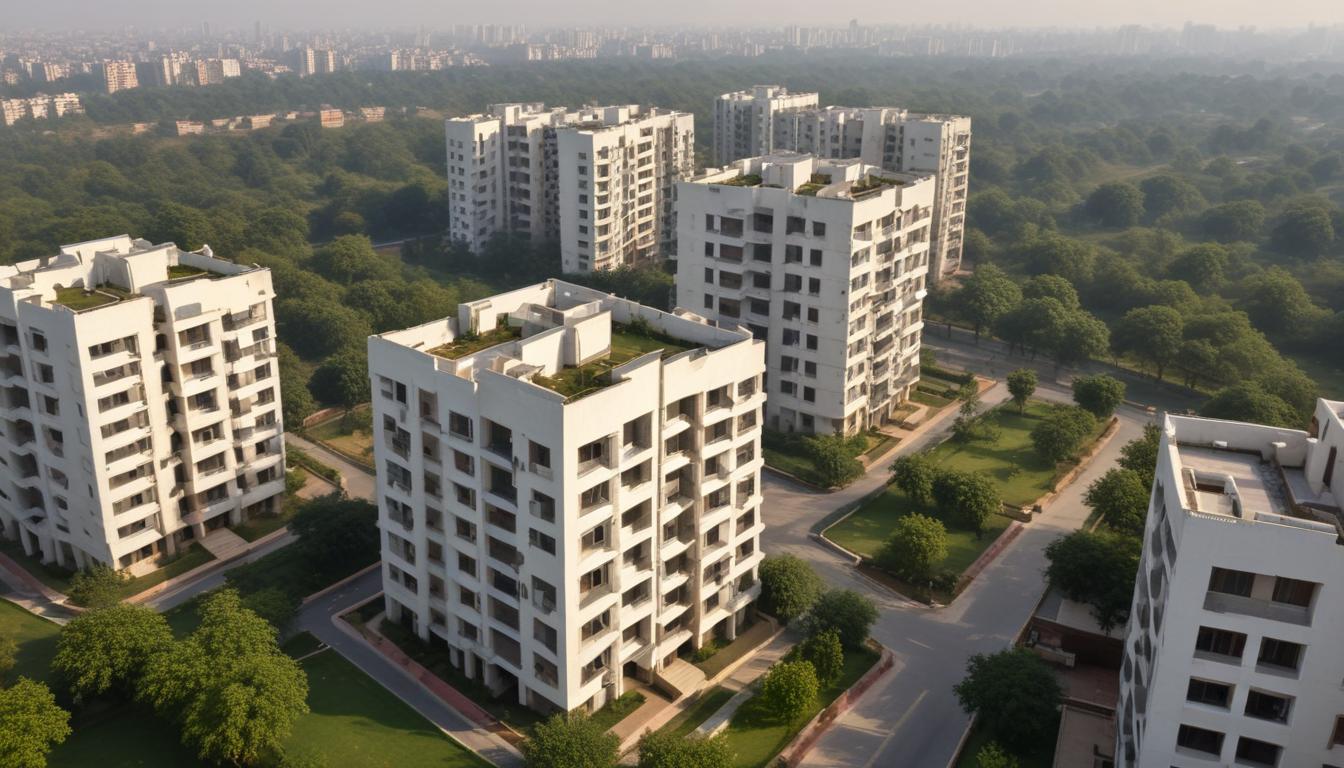
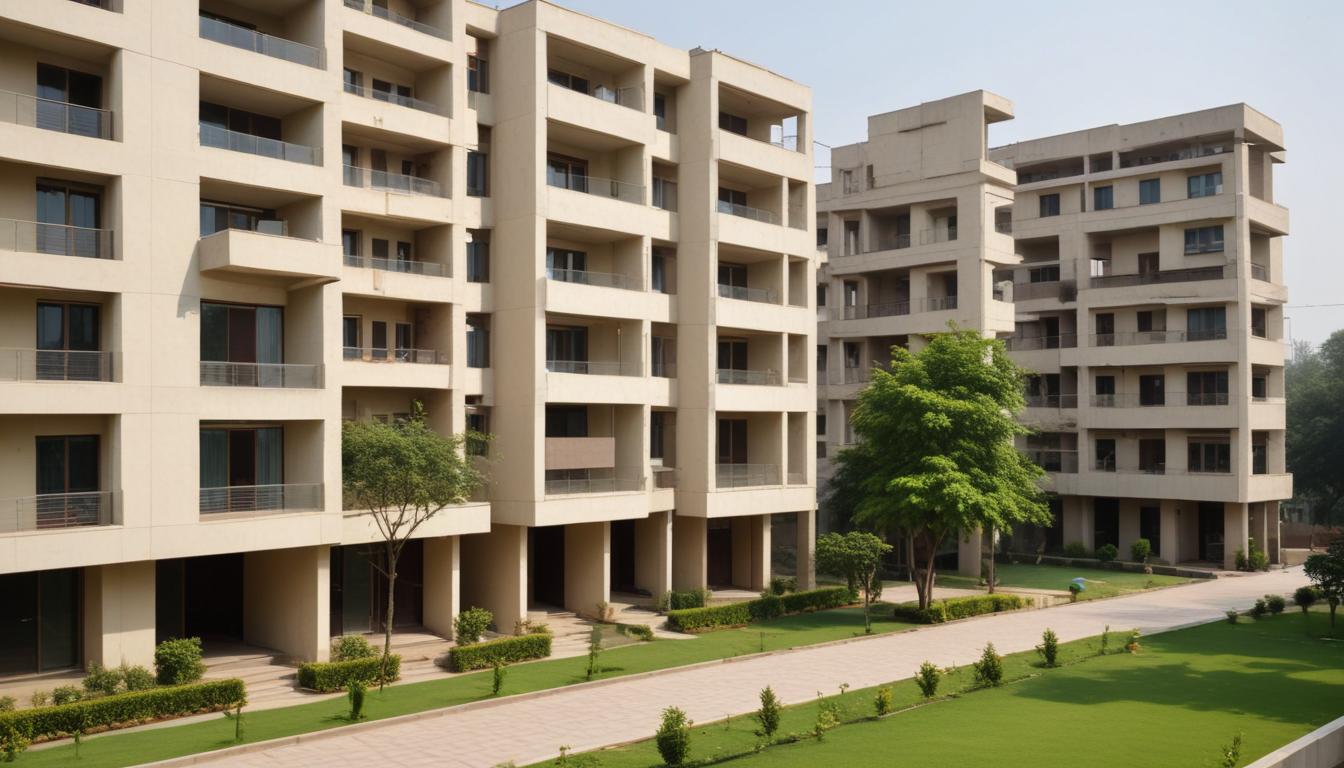
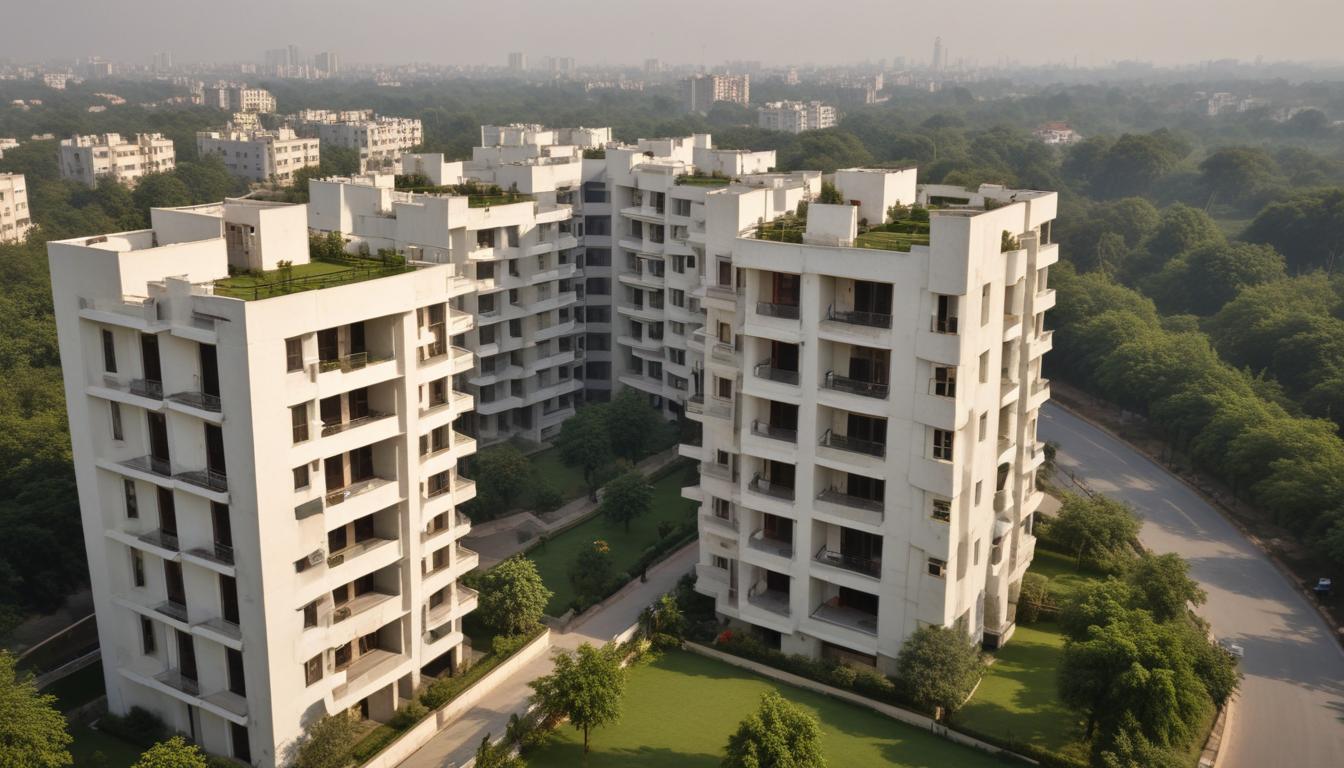
Delhi's rental market is undergoing a quiet upheaval. While headline-grabbing property sales have dominated recent coverage, the real story for tenants lies in how new development projects are reshaping neighbourhood dynamics and vacancy patterns across the city.
The ongoing Metro expansion towards Dwarka and Phase IV developments in the outer zones have triggered a ripple effect. Traditional rental hotspots like Vasant Kunj and Greater Kailash, long priced at ₹8,000–12,000 per square foot for purchase, are seeing their rental segments destabilised. As newer, purpose-built residential towers emerge in adjacent areas—Mehrauli-Gurgaon Road, for instance—landlords in established South Delhi pockets report vacancy rates creeping up to 8–10%, a significant shift from the historically tight 3–4% margins that defined the region.
This pattern repeats across the NCR corridor. Gurgaon's Golf Course Road has absorbed substantial new supply through DLF and Godrej projects, pushing rents down roughly 5–8% year-on-year for comparable 2–3 bedroom units. Noida's Sector 62, strategically positioned near the Aqua Line terminus, tells a different story: vacancy rates remain below 5%, with rents holding steady at ₹18,000–22,000 per month for a 1,200 sqft apartment. The metro proximity remains a powerful anchor.
For tenants, this fragmentation creates genuine negotiating power—but only if you understand the microeconomics of your chosen neighbourhood. East Delhi's expansion zones, particularly around Preet Vihar and IP Extension, are absorbing young professionals fleeing South Delhi's premium pricing. New-to-market apartments here start at ₹15,000–18,000 monthly for spacious configurations, undercutting comparable Mehrauli units by 30–40%.
The catch? New developments often come bundled with long-term lease agreements (36–48 months), stricter tenant vetting, and higher security deposits. Builders-turned-landlords operating in Dwarka and Noida's integrated townships have standardised these terms, reducing flexibility that independent landlords traditionally offered.
Property registries and real estate agents operating along Rajendra Place and Barakhamba Road report shifting enquiry patterns: young families now explore emerging neighbourhoods first, rather than anchoring to established South Delhi addresses. This democratisation of the rental market—spreading quality housing across geographies—mirrors the broader cycle the metro and new infrastructure have triggered nationally.
The immediate takeaway: don't chase postcodes blindly. New developments have genuinely expanded Delhi's liveable footprint. Savvy renters are exploiting these gaps, securing better value in emerging zones while the market rebalances. Within 18–24 months, expect vacancy rates to normalise as supply-demand equilibrium shifts once more.
This article was compiled by AI from the sources linked above and screened before publishing. See our editorial standards.